Who We Are
We exist to advance education and research and to help society tackle the many challenges it faces.
Inspiration and innovation
A founding member of the Russell Group of research-intensive universities, we’ve been working to understand our world since 1834.
As we move towards our 200th anniversary, we represent a new generation of university.
We prioritise societal benefit and sustainability, while breaking down traditional subject barriers. We are co-creating with our communities and collaborating with our partners to address global challenges.
- we create inclusive opportunities for our students to be global citizens
- we work with our partners to shape our future society and grow our economy through research and innovation
- we strive to be sustainable in everything we do
Our university
Our 28,000-strong student community is drawn from over 130 countries, on three campuses in Newcastle, Singapore and Malaysia.
Ranked in the global top 140 in the QS World University rankings 2026, we are a university of innovators. We have built on our foundations in medicine and engineering and added business, humanities, creative arts and social sciences to our broad disciplinary base.
Our strengths
We are tackling challenges the world is facing today, through our expertise in ageing and health, data, cities and place, one planet, culture and creative arts.
We are an inclusive university that makes a positive impact on our region, the UK and the world.
Serving the needs of our communities is core to our purpose.
That’s why we say From Newcastle. For the World.
Our values
Our values are at the heart of everything we do, with our principles rooted in Academic Freedom, Equality, Diversity and Inclusion, and Social and Environmental Justice.
That’s what makes us special. It’s who we are.
We’re nurturing generations of students to play their part in building a society that’s stronger and fairer for everyone.
We are unwavering in our commitment to making people’s lives better.
See our case studies in action
About Newcastle



Latest from Newcastle
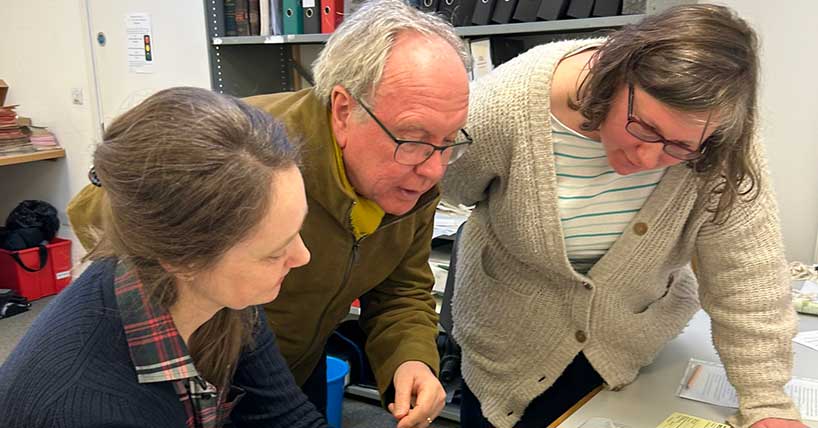
Radio show inspired by University music project wins prestigious award
The Song Detectorists has won silver in the New York Festivals Radio 2026 Awards.

New tool to help build more reliable DNA nanostructures
Scientists have developed a new way to improve the reliability of DNA origami for future biomedical, agritech and other technological applications.

Funding boost for dementia mobility research
A leading researcher has been awarded more than half a million pounds to focus on helping people living with dementia manage challenges with walking and balance.