
A picture of health: Opening up the conversation about menopause
Professor Karen Ross argues for a society that better understands, supports and values women's health throughout every stage of life.
Menopause is having a moment – but women's health deserves more than a moment
Menopause may finally be making headlines, but in this blog Professor Karen Ross argues that the real challenge is creating a society that better understands, supports and values women's health throughout every stage of life.
In recent years, documentaries, campaigns, workplace initiatives and media coverage have helped bring menopause out of the shadows. More women are talking openly about their experiences, and more employers are recognising the impact menopause can have on wellbeing and working life.
But menopause is about much more than hot flushes, hormone replacement therapy (HRT), or the latest headline. It shines a light on a much bigger issue: how we understand, talk about and support women’s health throughout life.
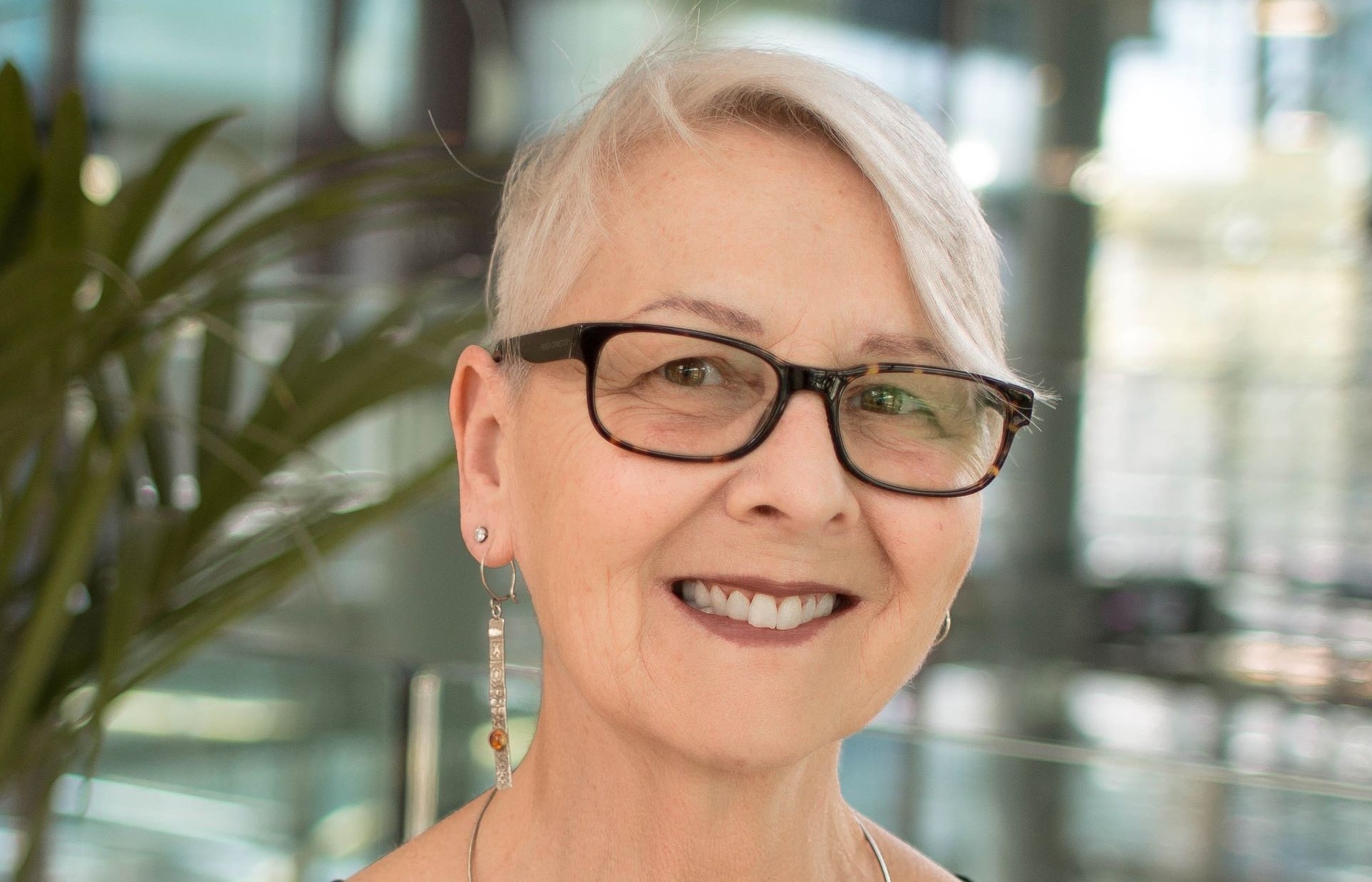
In this blog, Newcastle University’s Professor of Gender and Media, Karen Ross, shares her picture of women’s health.
The conversation many women never had
A few years ago, I began exploring women’s experiences of menopause through a series of workshops. The idea came from a simple realisation. I am a twin, and despite talking about almost everything throughout our lives, my sister and I had barely discussed our experiences of menopause.
That struck me as extraordinary. If two sisters who share such a close relationship were not talking about menopause, how many other women were also navigating it alone?
What emerged from the workshops was a powerful reminder that menopause remains surrounded by silence, uncertainty, stigma and misconception. Many women described feeling completely unprepared for what was happening to them. They knew about hot flushes but were unaware of the many other symptoms that can accompany hormonal change, from sleep disruption and anxiety to memory lapses, brain fog and loss of confidence.
Again and again, women said the same thing: “I didn’t know this was part of menopause.”
There is no single menopause story. Yet public discussion often treats menopause as though there is one universal experience and one universal solution.
No two experiences are the same
One of the most striking lessons from the workshops was the sheer diversity of women’s experiences. Some participants described relatively straightforward transitions. Others spoke about symptoms that had profound impacts on their daily lives, relationships and careers.
For some women, menopause affected concentration and confidence at work. Others described struggling with sleep for months or even years. Several spoke of feeling isolated because nobody around them understood what they were experiencing and thus empathise with them.
What became clear is that there is no single menopause story. Yet public discussion often treats menopause as though there is one universal experience and one universal solution.
The reality of menopause is complex. This is why women need access to high-quality information, supportive healthcare and opportunities to share experiences with others. Simply hearing another woman say, “That happened to me too,” can be enormously reassuring.
Menopause and the workplace
The workplace emerged as one of the most important themes from the workshop discussions. Many women spoke positively about supportive colleagues and managers. Others described environments where menopause was either ignored or treated as a source of embarrassment or humour.
Some participants felt unable to discuss symptoms openly. Others worried that acknowledging difficulties would damage perceptions of their competence or professionalism.
This matters because many women experience menopause at the height of their careers. They are often in senior roles, managing teams, supporting families and contributing decades of experience to their organisations. When those women feel unsupported, everybody loses.
The solution is not simply developing a policy document which sits unopened on a shelf gathering dust. It is about creating workplace cultures where people can talk honestly about health without fear of judgement. Just as organisations have become more aware of mental health, they must continue developing a better understanding of menopause and women's health more broadly.
Just as organisations have become more aware of mental health, they must continue developing a better understanding of menopause and women's health more broadly.
Beyond medicalising menopause
One of the most significant shifts in recent years has been greater awareness of HRT, and for many women it can be transformative. However, menopause should not be viewed solely through a medical lens, not least because so many women are unable to have HRT for many different reasons.
Menopause is not an illness. It is a natural life transition, but that does not mean women should simply “put up with it”. Far from it. But it does mean we need a broader conversation about health, wellbeing and support.
The women involved in my research shared a wide range of coping strategies, from exercise and mindfulness to practical changes that improved sleep and comfort. Just as importantly, they shared knowledge with one another. In many cases, participants learned more from those conversations than they had from years of navigating menopause alone.
This highlights an important truth: information is a form of support. The more women understand about menopause, the better equipped they are to make informed decisions about what works for them.
Challenging ageism and changing the narrative
Menopause is often accompanied by another challenge: the way society views ageing women. Too frequently, menopause is presented as evidence of decline. Popular culture has long associated it with stereotypes of invisibility, irritability or irrelevance.
The women in our workshops told a very different story. Many described menopause not as an ending, but as a transition into a new stage of life. Some spoke about feeling more confident, less concerned about external expectations and more willing to speak their minds.
There was a strong sense of freedom in many of these conversations. Freedom from periods and pregnancy fears. Freedom from worrying about what others think. Freedom from expectations that no longer serve them. Freedom to focus on what matters. The challenge for society is to recognise and value this stage of life rather than treating it as something to be hidden.
Many describe menopause not as an ending, but as a transition into a new stage of life.
A larger conversation about women's health
Ultimately, menopause is part of a much bigger story. For too long, women's health issues have been under-researched, under-discussed and, in some cases, dismissed. Menopause has recently gained public and media attention, but it should be viewed as part of a wider effort to better understand women's experiences and health across the life course.
That means investing in research. It means creating supportive workplaces. It means listening to women. And it means recognising that women's health is not a niche issue. After all, every woman will experience ageing and will experience menopause.
The more openly we talk about it, the more we challenge stigma. The more we challenge stigma, the more likely women are to receive the support, understanding and respect they deserve.
Perhaps the most important lesson from this work is a simple one: when women share their stories, everybody benefits.