A picture of health
Date: Friday 16 October 2026 | Time: 11:45 - 17:00 (BST)
Location: The Catalyst, 3 Science Square, Newcastle upon Tyne, NE4 5TG | Get directions
- Guest speakers
Please note that this event is FULLY BOOKED. To join the waitlist, please email NUAevents@newcastle.ac.uk.
Join us for an afternoon of inspiring discussions exploring the factors that shape health and wellbeing in modern society.
Featuring a keynote address from Professor Sir Chris Whitty, interactive myth-busting activities, and a thought-provoking panel discussion 'Health: Personal choice or public responsibility?', the event will bring together experts to examine the challenges and opportunities of creating a healthier future for all.
View the full agenda below and confirm your place.
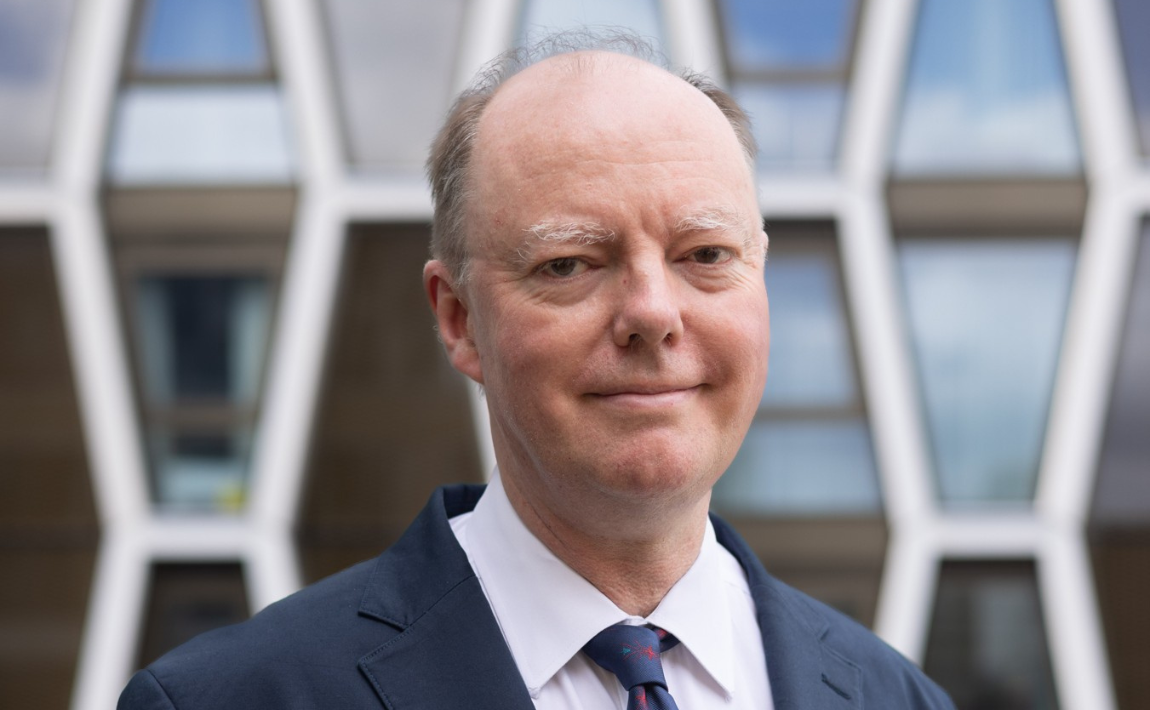
Find out more about Professor Chris Day CBE DL
Professor Chris Day has been Vice-Chancellor and President of Newcastle University since January 2017. A former Consultant Hepatologist, he has an international reputation in medical research and was awarded a CBE for Services to Health Research and Treatment in the 2023 New Year Honours.
Professor Day is currently Chair of Universities for North East England and a Non Executive Director for North and South Tees Hartlepool NHS Foundation Trust. He is former Chair of the Russell Group and a former President of the Association of Physicians of Great Britain and Ireland. He is also a Deputy Lieutenant of Tyne and Wear, reflecting his contributions to higher education and research.
12:40 - 13:45: Keynote lecture
The Future of Health
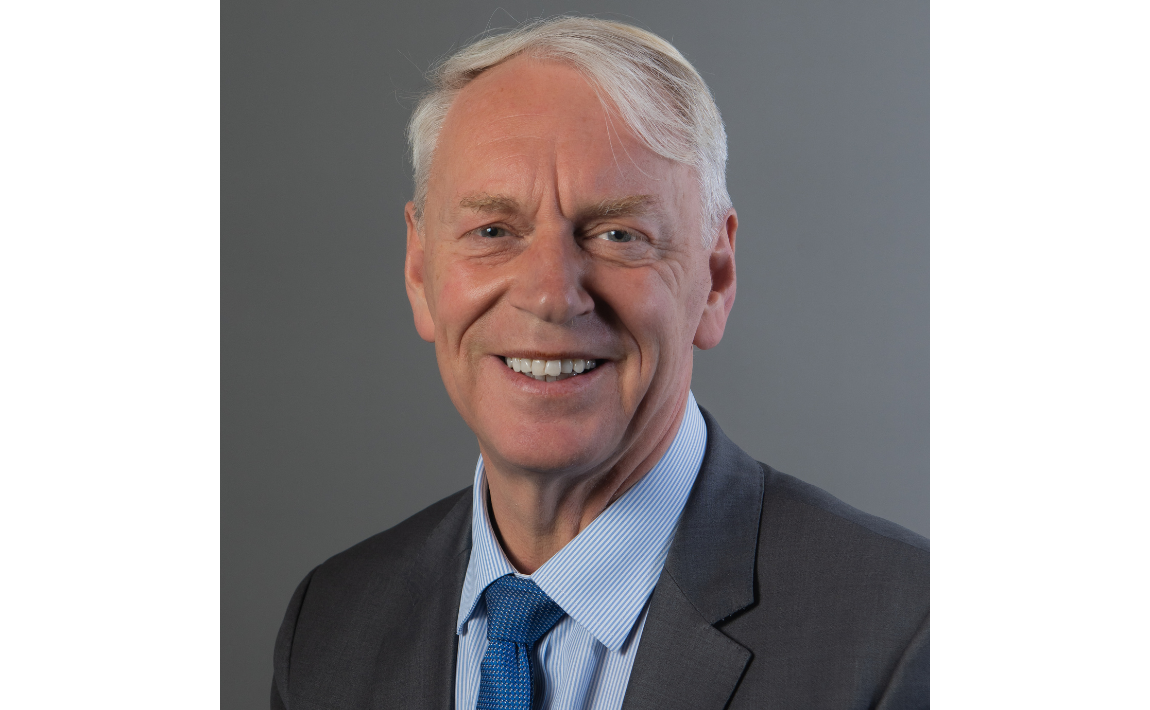
Delivered by Professor Sir Chris Whitty, Chief Medical Officer (CMO) for England, the UK government’s Chief Medical Adviser and head of the public health profession
Health in the UK and internationally has been transformed over the past 150 years, and this rapid rate of change will continue. Improvements in public health and the shifting demographic structure are altering the trajectory and frequency of disease.
This opening keynote will consider the possible and likely direction of health, as well as the many dilemmas and trade-offs in our rapidly changing world.
Find out more about Professor Sir Chris Whitty
Professor Sir Chris Whitty is Chief Medical Officer (CMO) for England, the UK government’s Chief Medical Adviser and head of the public health profession.
Chris is a practising NHS Consultant Physician at University College London Hospitals (UCLH) and the Hospital for Tropical Diseases, and a visiting professor at Gresham College.
Chris is an epidemiologist and has undertaken research and worked as a doctor in the UK, Africa and Asia. He was Professor of Public and International Health at the London School of Hygiene and Tropical Medicine (LSHTM) before becoming CMO and remains an honorary professor.
Chris was the interim Permanent Secretary at the Department of Health and Social Care (DHSC) from December 2024 to June 2025. He was Chief Scientific Adviser for DHSC from January 2016 to August 2021, with overall responsibility for the department’s research and development, including being head of the National Institute for Health Research (NIHR), the government’s major funder of clinical, public health, social care and translational research.
Chris was the interim Government Chief Scientific Adviser from 2017 to 2018, including during the Novichok poisonings. Before that, he was the Chief Scientific Adviser at the Department for International Development (DFID), which included leading technical work on the West Africa Ebola outbreak and other international emergencies.
Simulation game
"Welcome, Minister. The Prime Minister has high expectations for your tenure at the Department of Health and Social Care".
Step into the cabinet office and try your hand at balancing the budget, managing the frailty index and close the healthy life expectancy gap over a 12-year period.
Session facilitator: Andrew Kingston
Andrew is a statistical epidemiologist specialising in ageing, multimorbidity, disability, care need and health inequalities. He holds Chartered Statistician status with the Royal Statistical Society, Senior Fellowship of Advance HE, and a PhD in epidemiology and statistics.
Andrew's work focuses on using advanced quantitative methods to analyse complex longitudinal data and understand how health changes across later life. He is particularly interested in how people move into and through states of multimorbidity, disability, frailty, dependency and care need, and how these trajectories are shaped by socioeconomic position, place, lifestyle, disease burden and wider determinants of health.
Andrew's research is designed to generate evidence that is not only statistically rigorous, but also useful for policy, planning and practice. This includes work on healthy life expectancy, disability-free life expectancy, frailty-free life expectancy, healthy working life expectancy, ageing in place, social care need, and regional and socioeconomic inequalities in later life.
Topic 1: Weight loss medications: Miracle solution or misunderstood tool?
Weight loss medications have sparked huge public interest, but separating fact from fiction can be challenging. Drawing on research in obesity, weight management and dietetics, this myth-busting discussion explores how these treatments work, who they may benefit, their limitations, and the evidence behind the headlines.
Session facilitator:
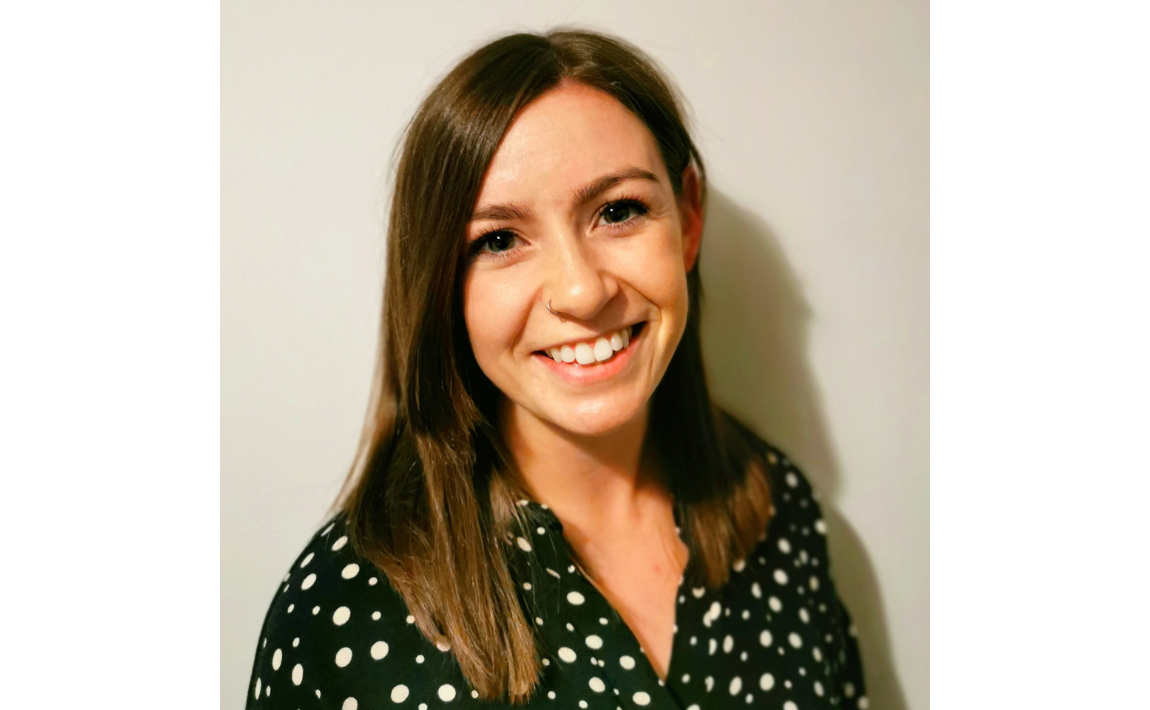
Emma Priestley is a Registered Dietitian and Lecturer in Dietetics and Human Nutrition, with expertise in obesity and weight management. Emma is a proud alumna of Newcastle University and has a particular research interest in obesity care and the role of weight loss medications. She is passionate about translating research into practice, tackling weight stigma, and supporting evidence-based approaches to improving health.
Topic 2: Fitness facts that change everything
Join this interactive myth-busting round table exploring what exercise physiology research really tells us about fitness, metabolism, muscle health and healthy ageing. Drawing on Dr Adrian Holliday's work in exercise physiology, we'll challenge common assumptions and discuss evidence-based approaches to improving health and performance.
Session facilitator:
Dr Adrian Holliday is a Lecturer in Exercise Physiology at Newcastle University whose research focuses on how exercise influences health, fitness and healthy ageing. With expertise in exercise physiology and nutrition, Adrian explores the evidence behind common fitness and wellbeing claims, helping to translate complex research into practical advice. His work examines the relationship between physical activity, metabolism and long-term health, bringing a science-led perspective to popular debates around exercise, performance and healthy living.
Topic 3: Wellness tech: What the evidence actually shows about wearables, health tracking and real-world monitoring
Smart watches, fitness trackers and wellness apps promise unprecedented insights into our health, but what does the evidence actually show? Drawing on Dr Cameron Kirk and Dr Aron Syversen's research in digital health and wearable technology, this myth-busting discussion explores how accurately health tech measures movement, wellbeing and behaviour in the real world.
Session facilitators:
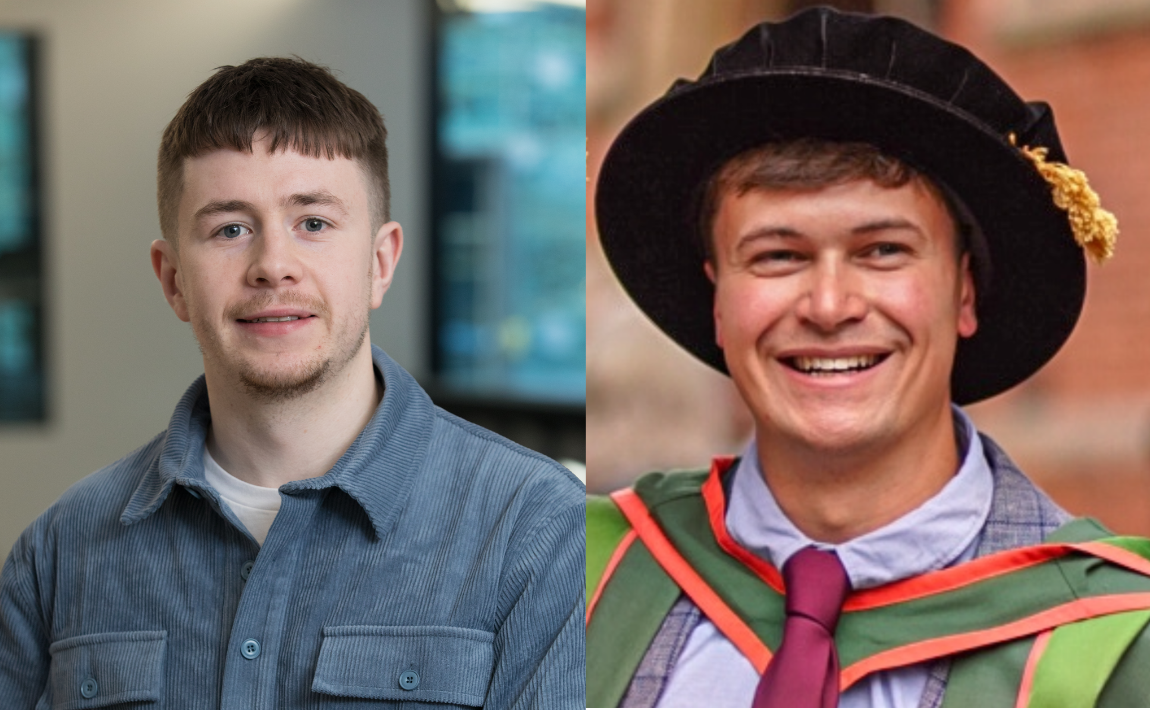
Cameron and Aron are Postdoctoral Research Associates within the DIAN Lab (Digital Health Innovation in Ageing and Neurodegeneration) at Newcastle University. Their research turns data from wearable sensors into reliable measures of how people move. This work helps to better understand and manage ageing and conditions such as Parkinson's, dementia, and rare genetic disorders. Simple measures like step count and walking speed can reveal a lot about someone's health, often picking up on changes that a doctor's appointment alone might miss.
Topic 4: AI in healthcare: Beyond the hype
AI is often presented as a healthcare revolution, but where is the evidence for better patient outcomes? Drawing on Dr Matthew Cooper's research in health psychology, patient safety and healthcare innovation, this myth-busting discussion explores how new technologies succeed, fail, and impact patients, carers and healthcare professionals.
Session facilitator:
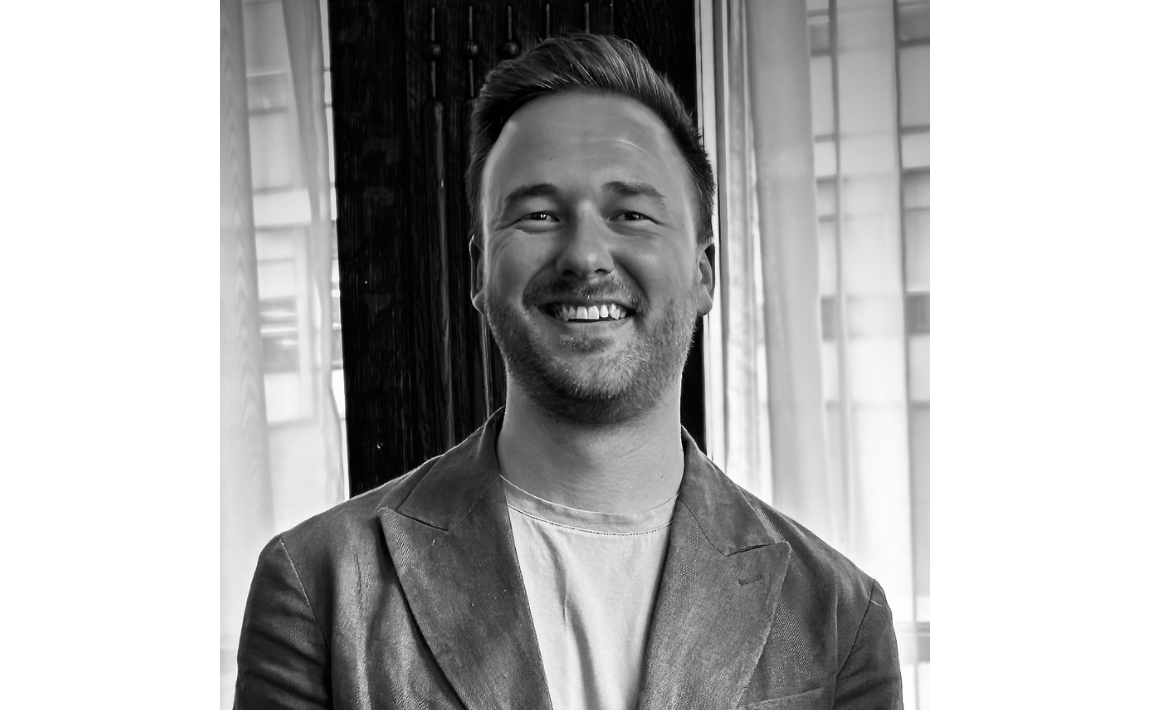
Dr. Matt Cooper is a chartered Health Psychologist, theme lead within the Newcastle Patient Safety Research Collaboration, and academic within the School of Psychology. Matt is a specialist in behavioural science/medicine, and in particular the role of communities in holistic health management. Matt's research is cross-cutting mental, physical and social health, with a focus on person-centred care. Matt leads research in digital innovation, community co-design, and the integration of health and social care.
Topic 5: Why knowing is not enough: The psychology behind health habits and behaviour change
Most people know what they should do to improve their health, yet lasting behaviour change remains difficult. Drawing on Dr Rachel Stocker's research in exercise and health psychology, this myth-busting discussion explores the psychological, social and environmental factors that shape motivation, wellbeing and healthy habits.
Session facilitator:
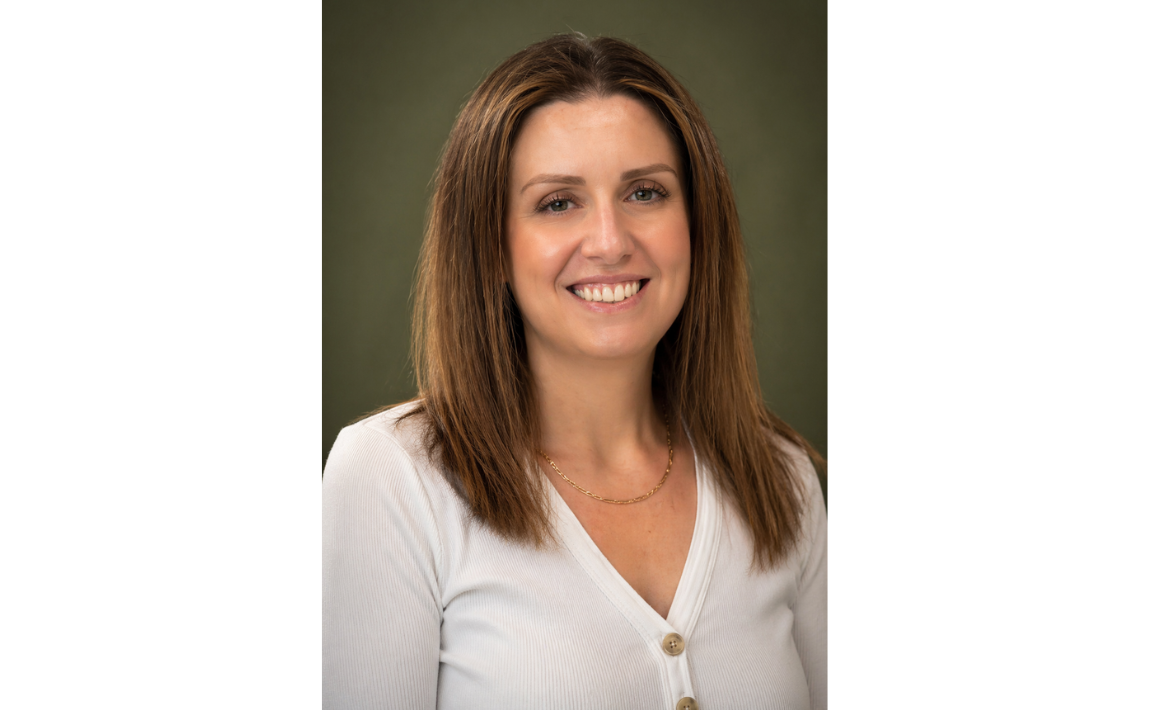
Dr Rachel Stocker is a Lecturer in Exercise and Health Psychology and Chartered Psychologist at Newcastle University. Her work explores the question: why do people often struggle to do what they know is good for their health? She researches behaviour change, physical activity and the everyday experiences of people living with conditions such as diabetes and other long-term illnesses. Rachel specialises in qualitative research, using people’s stories and experiences to understand what helps or hinders healthier lives. She also teaches health psychology, exercise psychology and research methods, and supervises doctoral researchers.
15:00 - 16:00: Panel discussion
Health: Personal choice or a public responsibility?
Balancing individual choice and public health is an ongoing challenge for governments and societies worldwide.
As public health policies often require collective action, they can sometimes conflict with individual freedoms. Understanding the rationale behind these policies and the importance of personal liberties is critical for finding an equilibrium that respects both.
From vaccine uptake to smoking, diet and infectious disease control, personal decisions can shape the health of entire communities. We explore the line between protecting public health and preserving individual liberty.
(Facilitator) Professor Ashley Adamson (Director of the NIHR School for Public Health Research)
Professor Ashley Adamson is a leading authority in public health nutrition and serves as Director of the NIHR School for Public Health Research (SPHR). She also directs the NIHR Research Support Service Specialist Centre for Public Health established in 2023, supporting the development of high‑quality research to improve population health and reduce health inequalities which includes a pilot of research delivery support for public health.
Based at Newcastle University, Adamson is Professor of Public Health Nutrition and leads a long‑established research team within the Human Nutrition and Exercise Research Centre. Her work focuses on the food environment, dietary behaviour, dietary assessment and wider social determinants of health, with a particular emphasis on obesity prevention. She has contributed to national public health nutrition research and school food policy for more than 30 years. She has been part of the NIHR Public Health Policy Research Unit since 2005.
Professor Adamson began her career as an NHS dietitian before completing her PhD at Newcastle University in 1993. She went on to develop a major programme of public health nutrition research and was awarded a personal chair in 2010. Her contributions have been recognised through a Public Health Career Scientist Award (2005), Fellowship of the Faculty of Public Health by distinction (2011), an NIHR Research Professorship (2012), and appointment as an NIHR Senior Investigator (2017).
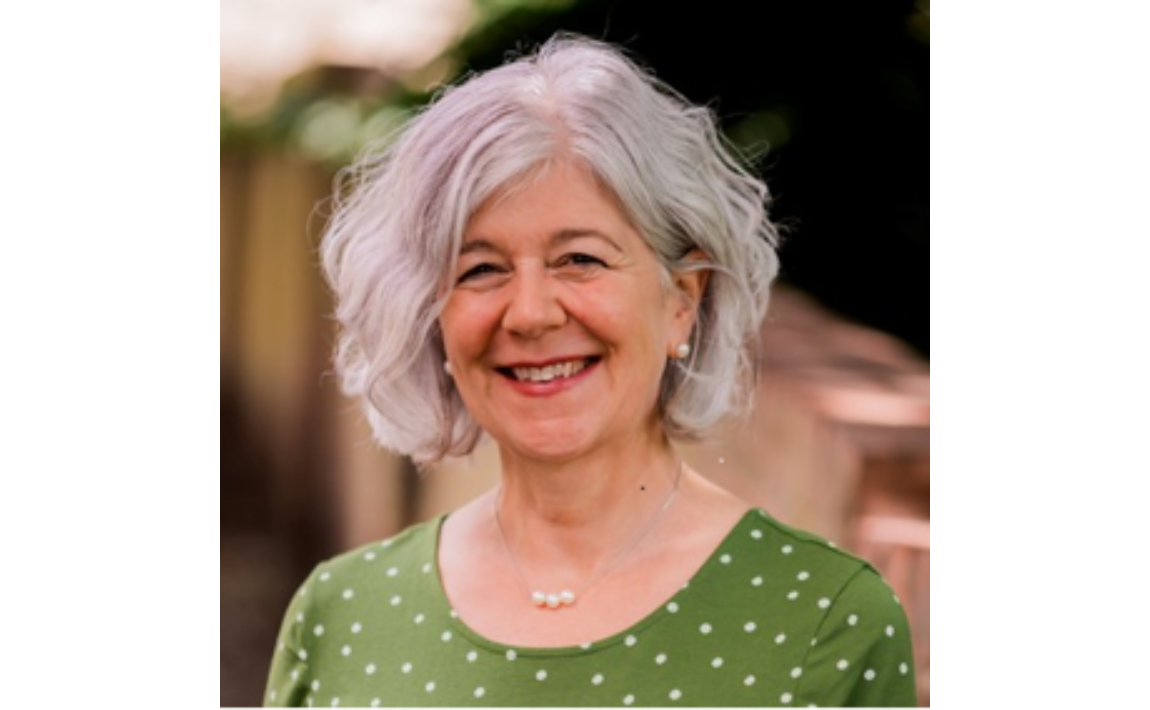
Professor Emma Stevenson (Head of the School of Biomedical, Nutritional and Sport Sciences at Newcastle University)
Emma Stevenson is Head of the School of Biomedical, Nutritional and Sport Sciences and Professor of Exercise Science and Nutrition in the Faculty of Medical Sciences at Newcastle University. Emma is also a Principle Investigator in the Human Nutrition and Exercise Research Centre.
Broadly, Emma’s research focuses on the interaction between exercise and nutrition on health and metabolism. Emma’s recent work has focussed on nutritional strategies for healthy ageing including projects on protein and muscle health and diet and brain health. She has led large consortia involving industry partners to advance applied research in the area of nutrition, exercise and healthy ageing. Emma has also worked as a consultant nutritionist in a wide range of performance sports including premier league football, GB ice skating and England Netball.

Sir Chris Whitty (Chief Medical Officer for England)
Professor Chris Whitty is Chief Medical Officer (CMO) for England, the UK government’s Chief Medical Adviser and head of the public health profession.
Chris is a practising NHS Consultant Physician at University College London Hospitals (UCLH) and the Hospital for Tropical Diseases, and a visiting professor at Gresham College.
Chris is an epidemiologist and has undertaken research and worked as a doctor in the UK, Africa and Asia. He was Professor of Public and International Health at the London School of Hygiene and Tropical Medicine (LSHTM) before becoming CMO and remains an honorary professor.
Chris was the interim Permanent Secretary at the Department of Health and Social Care (DHSC) from December 2024 to June 2025. He was Chief Scientific Adviser for DHSC from January 2016 to August 2021, with overall responsibility for the department’s research and development, including being head of the National Institute for Health Research (NIHR), the government’s major funder of clinical, public health, social care and translational research.
Chris was the interim Government Chief Scientific Adviser from 2017 to 2018, including during the Novichok poisonings. Before that, he was the Chief Scientific Adviser at the Department for International Development (DFID), which included leading technical work on the West Africa Ebola outbreak and other international emergencies.
Professor John Wildman (Peter & Norah Lomas Chair in Economics at Newcastle University Business School)
John Wildman holds the Peter and Norah Lomas Chair in the Economics subject group at Newcastle University Business School. His research focuses on the economics of health and health inequality. Recent projects include evaluating social prescribing interventions and investigating individual preferences with respect to screening. He has researched widely on health inequalities and resource allocation, and he currently chairs the Advisory Committee on Resource Allocation (ACRA), an independent body that makes recommendations to NHS England and the DHSC regarding the weighted capitation approach to geographically allocating resources.
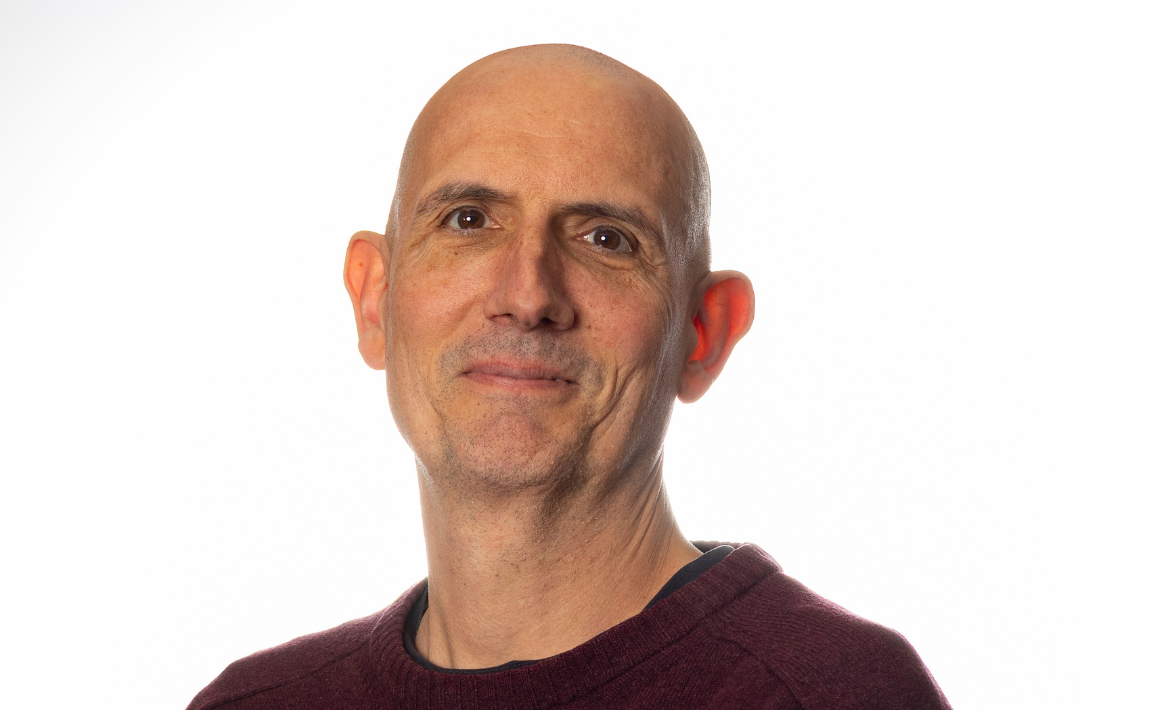
Professor Alice Wiseman MBE (Director of Public Health in Gateshead and Newcastle)
Alice Wiseman has served as Director of Public Health (DPH) for Gateshead since 2016 and took on the joint role across Newcastle and Gateshead in April 2024.
She is deeply committed to improving health and wellbeing, with a particular focus on reducing the unfair and avoidable inequalities experienced by many communities. Alice’s approach recognises that achieving meaningful change requires sustained action across the health, social, and commercial determinants of health.
Alice plays an active role in strengthening the evidence base for public health practice. She leads a major collaboration between Gateshead Council and Newcastle University, which secured a five‑year NIHR contract under the Health Determinants Research Collaborative. This work aims to deepen understanding of the lived experiences of disadvantaged communities and the impact of government policy on their everyday lives.
Nationally, Alice is the Vice President of the Association of Directors of Public Health (ADPH). In this capacity, she works closely with colleagues across the country and has provided evidence to several All-Party Parliamentary Groups as well as a Parliamentary Committee. In 2025, she was appointed Professor of Practice at Newcastle University, enabling her to share her expertise directly with students.
Most recently, Alice was awarded an MBE in the 2026 New Year Honours in recognition of her services to public health — a reflection of her leadership, commitment, and impact in the field.