
Prevention is better than a cure (or is it?)
Date: Tuesday 10 November 2026 | Time: 18:00 - 21:00 (GMT)
Location: The View in The Royal College of Surgeons of England, 38-43 Lincoln's Inn Fields, London, WC2A 3PE | Get directions
- Guest speakers
Although the words “prevention is better than a cure” are often said, this still largely remains a mantra. So how can we shift the mantra of prevention into reality?
It is ever more important that we do so. The UK is experiencing an escalating pandemic of chronic ill health across the population which is resulting in a loss of productivity. In the first quarter of 2024, there were 2.8m economically inactive people in the UK due to long term sickness.
Prevention promises long term savings and healthier populations, yet cures offer immediate, tangible results and life-saving breakthroughs. How do we strike the right balance – financially, ethically and politically – in shaping the future of health?
Join our panel of Newcastle University alumni and colleagues for a thought-provoking debate to explore whether prevention is better than a cure.
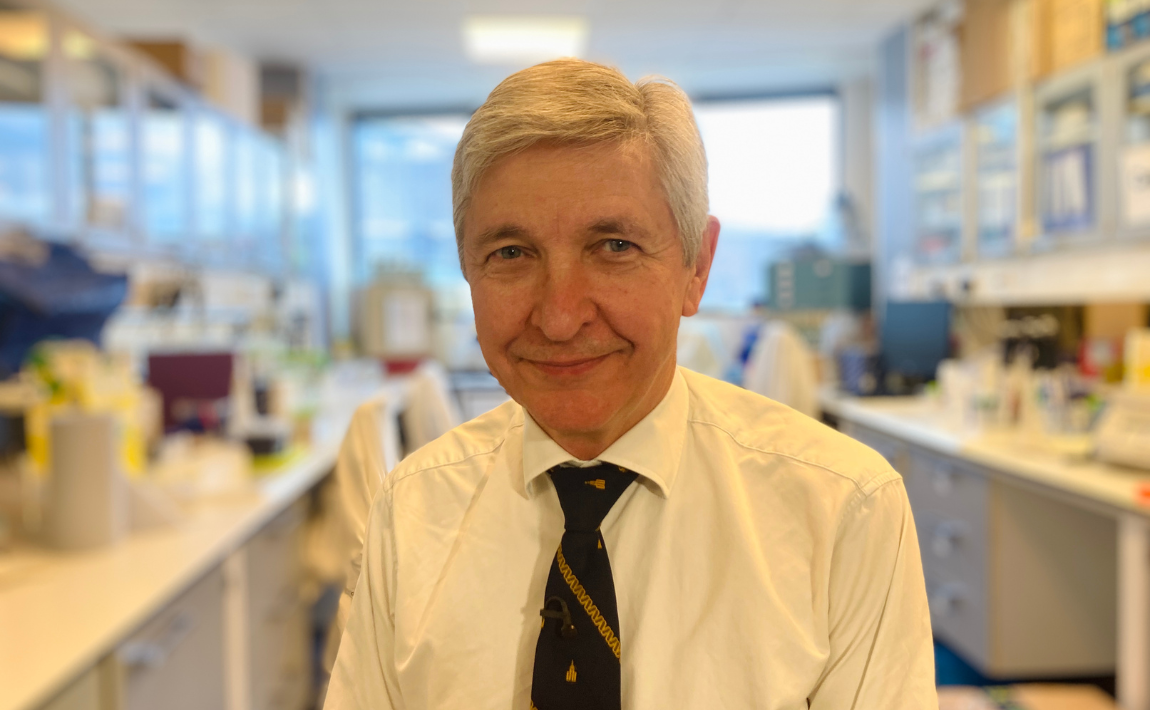
Sir John Burn (Host)
Professor of Clinical Genetics, Newcastle University
Sir John is Newcastle University’s Professor of Clinical Genetics leading the Cancer Prevention Programme (CaPP) and an honorary NHS consultant in the regional Genetics Service which he led for 20 years (1984 - 2004).
He co-led creation of the Millennium Landmark Centre for Life opened by the Queen and the Duke of Edinburgh in 2000; it houses genetics and fertility NHS services and genomic research and genomic laboratory services for the 8.5 million people in Northern England. The Centre provides science classes to 40,000 children each year and receives up to a quarter of a million visitors.
He was knighted by Queen Elizabeth II in 2010 for services to medicine and in 2014 was recognised as a ‘local hero’ with a brass plaque on Newcastle Quayside.
Dr Jack Mosley
Medical Doctor at NHS | Speaker | Author of Sunday Times No.1 Bestseller “Food Noise” | Newcastle University graduate
Dr Jack Mosley is a GP registrar and science communicator with a particular interest in treating obesity and its related diseases, as well as GLP-1 weight loss drugs (Ozempic, Wegovy, Mounjaro and Zepbound). Jack has written the Number 1 Sunday Times bestselling book ‘Food Noise’, a practical guide to the weight loss drugs and managing cravings, with a focus on sustainable dietary and lifestyle changes.
He studied medicine at Newcastle University and completed a Masters of Research (Dist) in Diabetes during his medical training, exploring the factors behind successful weight loss maintenance.
As a science communicator Jack has appeared on multiple TV shows talking about lifestyle changes and GLP-1 weight loss medications, including BBC Breakfast, This Morning, the BBC News Channel and Jeremy Vine on 5. He also appeared as a presenter on the Channel 4 show “Everything you need to know about protein”.

Dr Simon Cooper
Chief Medical Officer at LifeMine Therapeutics | Newcastle University graduate
Simon Cooper is an accomplished leader in drug development with an extensive background in translational medicine and clinical development. Over the course of his career, he has worked across multiple modalities and therapeutic areas from first-in-human studies through regulatory submissions and approvals of highly successful therapeutics.
He is currently Chief Medical Officer at LifeMine Therapeutics Inc., a clinical-stage biopharmaceutical company pioneering Top-Down Drug Discovery™, which leverages digital genomic search technology from fungi to source next-generation precision medicines.
Simon graduated from Newcastle University in 1993 with a MBBS degree.
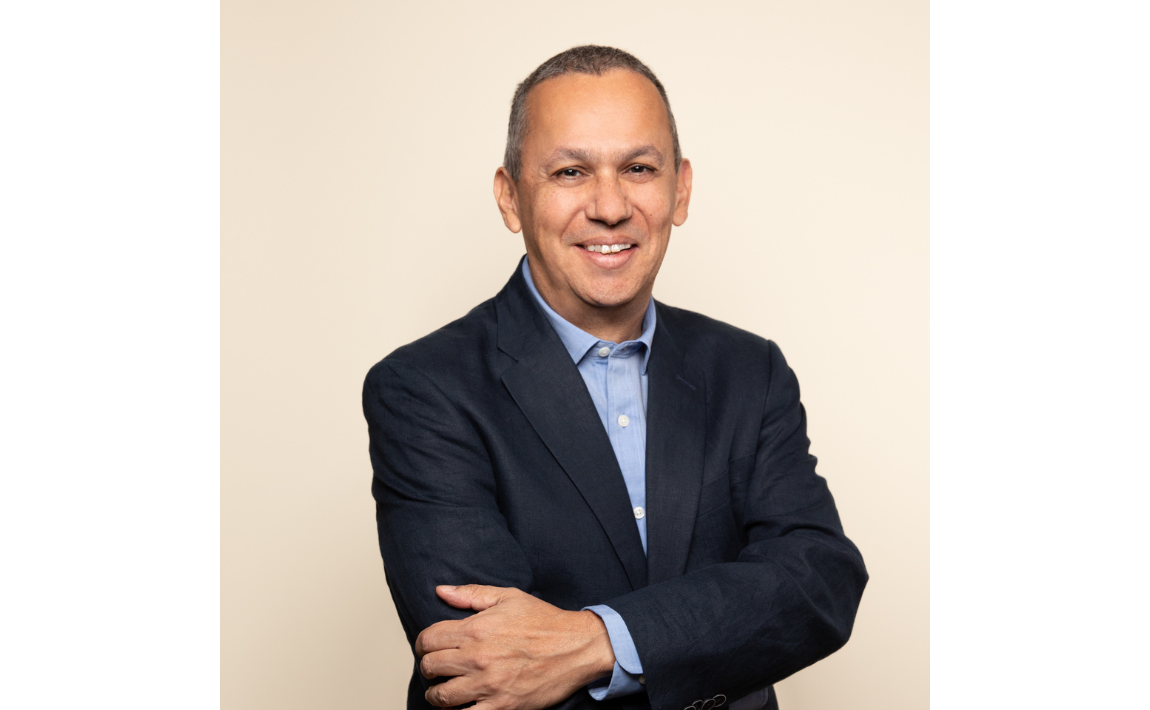
Professor Linda Sharp
Professor of Cancer Epidemiology, Newcastle University
Linda is Professor of Cancer Epidemiology at Newcastle University and an internationally recognised expert in cancer early diagnosis and survivorship.
Her research focuses on understanding why some people are more likely than others to develop cancer, take part in screening, be diagnosed late, receive different treatments, or experience poorer outcomes, and how these inequalities can be reduced. She has led major studies on cancer screening, including bowel, breast and cervical screening, and has undertaken many projects focussed on understanding, and improving, experiences and outcomes for people living with and beyond cancer.
Over a career spanning Scotland, Ireland and England, she has published more than 450 scientific papers and secured over £50 million in research funding. She has been a member of many national and international groups, panels and networks and her work has informed cancer policy and practice.
Through her research, she aims to ensure that advances in cancer prevention and care benefit everyone, regardless of where they live or their background.

Professor Bernard Corfe, FRSBiol
Professor of Human Nutrition and Health, Newcastle University
Bernard is the Director of Newcastle University's Human Nutrition and Exercise Research Centre, an internationally leading centre of 30 years' standing in nutrition and exercise science. Under Bernard's leadership, the centre has consolidated its strength areas in public health and school nutrition, brain health and ageing, metabolic health and disease, endurance exercise, cancer, and food insecurity.
Bernard's core research aims to improve dietary advice for people living with and beyond colorectal cancer, a key strand in the prevention of cancer recurrence. Bernard has additionally undertaken research into regulation of appetite, improvement of protein intake across the life course, and improvement of vitamin D status.
Bernard was elected fellow of the Royal Society of Biology in 2023 and was invited to be President of the Nutrition Society in 2026.