
News
Our latest news
Our latest news
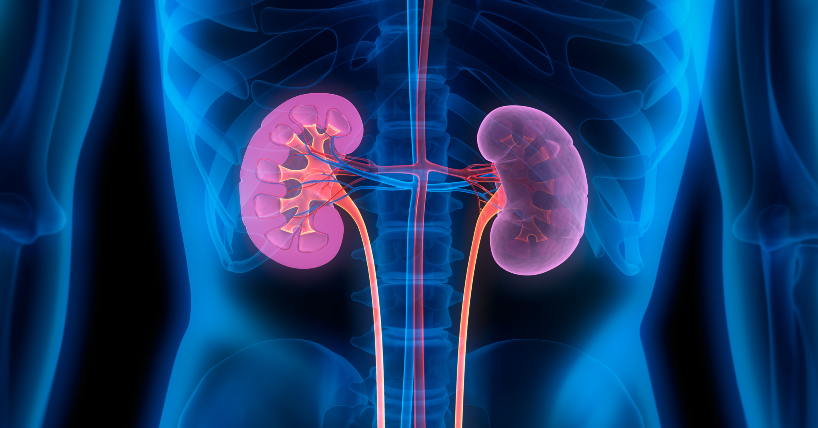
First kidney transplant through Newcastle organ assessment hub
Surgeons have performed their first life-saving kidney transplant through the Newcastle Organ Assessment Hub (NOAH) based at the Freeman Hospital.

Researchers funded to cure – rather than manage – inflammatory disease
Researchers from Newcastle University will join international partners in a bid to transform how chronic inflammatory disease is treated.

Newcastle University academics welcomed to Academy of Social Sciences
Three Newcastle University academics have been awarded Fellowship of the Academy of Social Sciences in recognition of their contributions to the field.
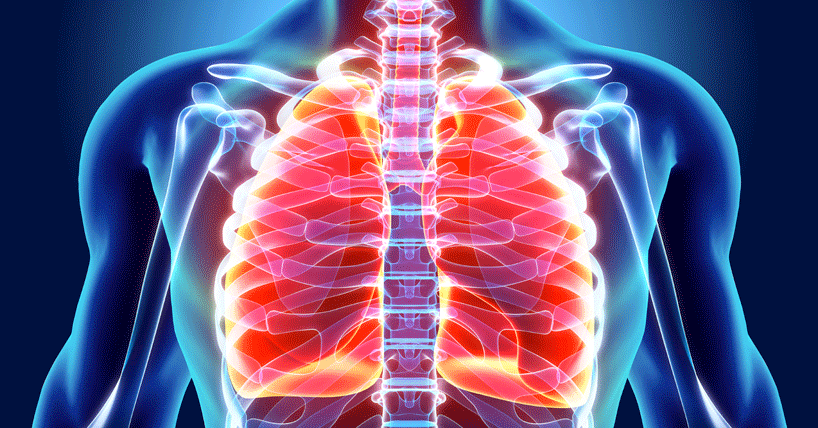
First lung transplant in bid to increase life-saving organ operations
A national collaboration delivers first lung transplant through new Assessment and Recovery Centres in an effort to increase the number of life saving organ transplants.

What history can teach those working the hospital night shift
A pioneering study led by Newcastle University is looking into the history of the night shift on hospital wards, exploring how the UK can create better, safer working conditions for hospital workers.

How the brain's chemical messengers control consciousness and sleep
Researchers have revealed in unprecedented detail how three chemicals interact in the brain to control the transition between sleep, wakefulness, attention and arousal.
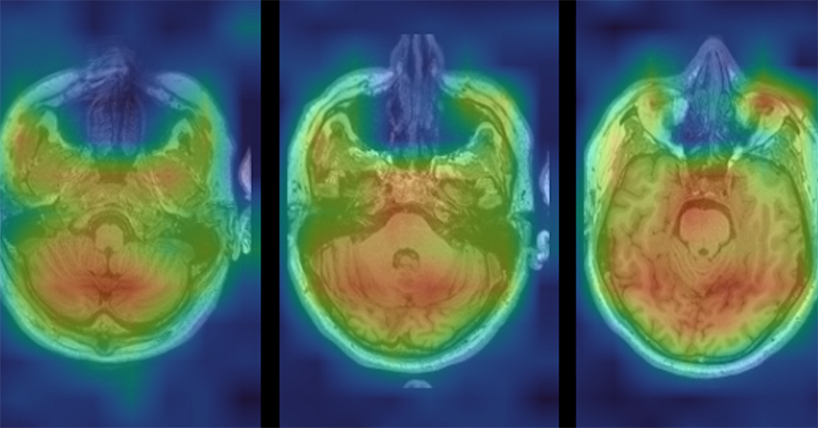
Scans reveal lithium acting in the brain
A revolutionary scanning technique has revealed that lithium MRI is a powerful tool for studying how the drug interacts with the brain and could offer more personalised treatment for bipolar disorder.

Scientists uncover key cause of inflammatory bowel disease
A decades-old puzzle has been solved as scientists uncover a key cause of inflammatory bowel disease, paving the way for faster diagnosis and more targeted patient treatments.
Newcastle leads £50m Initiative to improve maternity outcomes
Newcastle University is leading a £50 million national initiative to tackle maternal health inequalities to improve outcomes for women, babies and families across the UK.