
Can AI truly create original music? What the technology means for the future of creativity
Class of 2005 graduate and music tech founder Hazel Savage explores how AI is transforming the music industry: from early tools like Shazam to the rise of generative AI platforms.
24 August 2026
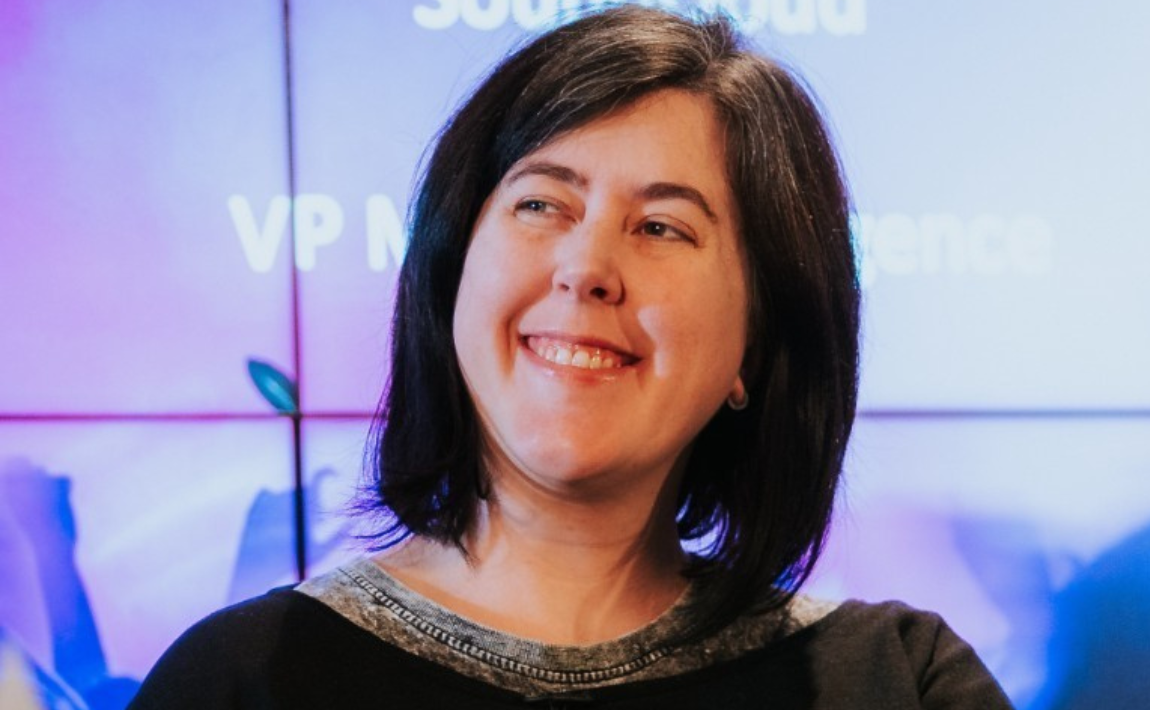
Hazel Savage (BA Politics and English Literature, 2005) is a music technology entrepreneur and former CEO of Musiio. She specialises in AI for music and has worked across global tech companies including Shazam and SoundCloud.
In this blog, Hazel roadmaps the influence changing technology has had on the music industry over the past two decades and ponders whether AI-created music will breakthrough into the mainstream.
From record shops to millions of songs a day
I graduated from Newcastle University in 2005, when artificial intelligence wasn’t part of the conversation. In fact, when I started building AI products for the music industry more than a decade later, most people weren’t particularly interested in them either.
That has changed dramatically. Today, AI dominates discussions across the creative industries. Headlines focus on AI-generated songs, copyright disputes and fears about the future of artists’ livelihoods. But beneath the noise lies a more interesting question: how is AI really changing music, and where might it take us next?
Having spent my career at the intersection of music and technology - from Shazam and SoundCloud to building and selling my own AI company, Musiio - I’ve had a front-row seat to one of the most significant shifts the industry has ever experienced.
My first job in music was stacking shelves at HMV. Back then, new music arrived once a week. If you worked in a record shop, you could realistically listen to most of the new releases coming through your doors.
Today, that world has disappeared. Streaming platforms receive well over 100,000 new tracks every day. Soon, with generative AI lowering the barrier to music creation even further, that number could reach millions. This is one of the biggest challenges facing the industry.
The problem is no longer access to music. The problem is abundance.
How do listeners discover great songs when there is an overwhelming amount of content? How do artists get noticed? How do platforms process and organise vast libraries of music quickly enough to remain useful? These are the problems AI was solving long before it started writing songs.
The AI revolution most people never noticed
When people think about AI in music, they often picture machines creating tracks from text prompts.
In reality, AI has been quietly transforming the industry for years. Shazam helped computers identify songs within seconds. Recommendation systems learned our listening habits. Platforms began using machine learning to understand genres, moods and musical characteristics at a scale no human team could match.
This was the idea behind Musiio. My co-founder and I built an AI capable of listening to music and understanding it. The technology could identify genres, moods, instrumentation, tempo, vocal styles and dozens of other characteristics. It helped platforms process millions of tracks every day.
Could a human do a better job? In many cases, yes. But no human can listen to five million songs a day. That is where AI delivers genuine value. Not by replacing creativity, but by handling tasks at a scale humans simply cannot achieve.
That is where AI delivers genuine value. Not by replacing creativity, but by handling tasks at a scale humans simply cannot achieve.
The rise of generative AI
The latest wave of innovation is very different. Tools such as Suno and Udio can now generate entirely new songs from a simple prompt. A user can type a few words and receive a convincing piece of music within minutes. And the quality is improving astonishingly quickly.
Five years ago, AI-generated music was a novelty. Today, even industry experts can struggle to tell the difference between some AI-created tracks and human-made recordings. That raises difficult questions.
Can AI create something truly original? Technically, it can generate music that has never existed before. Yet every model is trained on vast collections of existing music. The output is often influenced by the patterns, sounds and structures found within those datasets. The result may be new, but it does not emerge from the same place as human creativity.
That distinction matters.
Music has never just been about the notes. It is about experience, emotion, culture and identity. The songs we treasure often reflect something deeply human: a story, a struggle, a moment in time. AI can imitate those qualities impressively. Whether it can genuinely replace them remains another question entirely.
Should creators be compensated when their work is used to train AI systems? This is not simply a legal issue. It is a question of fairness.
The copyright challenge no one can ignore
Perhaps the most important debate facing the industry today concerns ownership. Many of the most powerful generative AI models have been trained using enormous quantities of music sourced from the internet. The companies behind them argue that this constitutes fair use. Much of the music industry disagrees.
Major record labels, artists and rights holders are increasingly questioning whether creators should be compensated when their work is used to train AI systems. This is not simply a legal issue. It is a question of fairness.
Throughout my career, I have believed the music industry works best when innovation and creativity move forward together. If AI is going to become part of the creative ecosystem, then artists must be part of that future too.
The most exciting companies in the sector are not just building impressive technology. They are finding ways to do so responsibly, licensing music properly and ensuring creators share in the value generated by these systems.
Why I'm optimistic
Despite the challenges, I remain optimistic. Every significant technological shift has triggered fears about the future of music. Recorded sound threatened live musicians. Synthesisers transformed popular music. Streaming changed listening habits forever. Yet creativity endured.
The same will happen with AI. What excites me most is not the prospect of computers replacing artists. It is the opportunity to give creators better tools, remove barriers and allow more people to participate in making music.
AI can help independent musicians master recordings, separate audio tracks, clean poor-quality recordings and discover audiences more effectively than ever before. Used thoughtfully, it can amplify human creativity rather than diminish it.
The future of music will not be decided by technology alone. It will be shaped by the choices we make as researchers, founders, investors, educators, artists and listeners.
Shaping the future
The future of music will not be decided by technology alone.
It will be shaped by the choices we make as researchers, founders, investors, educators, artists and listeners.
That is why universities like Newcastle have such an important role to play. We need graduates who understand both the possibilities and the risks of emerging technologies. We need critical thinkers who can ask not only what can AI do? but also what should it do?
The music industry has always evolved alongside technology. The challenge now is ensuring that the next chapter strengthens creativity rather than simply automating it.
As someone who has spent two decades working at the intersection of music and AI, I believe the opportunity is enormous. But our success will depend on keeping people - not algorithms - at the heart of the story.
This blog has been adapted from a lecture Hazel gave on campus in 2025 as part of the NCL in Action programme. You can watch the full 1-hour lecture on our YouTube channel below.