
About Us
Newcastle University has strong expertise in many areas of rare diseases.
What we offer
Newcastle houses world-leading expertise. We boast a combined rare disease funding track record of over £250 million across the past decade.
We lead in discovery, diagnostics, treatment and care of many diseases and disorders, and we translate foundational science into new therapies and integrated care.
Our experts offer unique insights on creating and developing diverse networks in care and research.
Newcastle experts also play a unique role on the international rare disease stage, creating and implementing policies for diagnostics, treatment, care, research and holistic support for rare diseases.

Why rare disease?
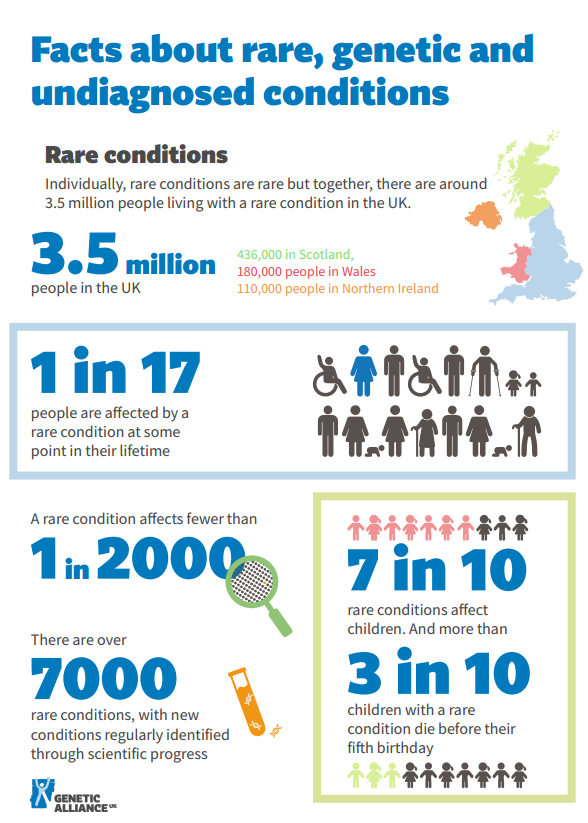
Individual rare diseases are, by definition, rare. However, there are an estimated 6-8,000 separate conditions in this category.
These are usually complex conditions affecting multiple body systems. Only around 5% of rare conditions have specific treatment options.
Patients often face difficulties in many areas, including:
- getting an accurate diagnosis
- finding a specialist who can provide the best possible care and treatment
- managing daily activities
Rare conditions often lead to significant inequities for people with rare diseases. One of our Centre's key strengths is that we have experts working across around 100 different disease areas. We link with experts working in areas that are key to advancing rare disease research.
One of the Centre's key strengths is that we have experts working in particular disease areas. (see Our Disease Expertise). We unite them with experts working in disciplines essential for progress in rare disease. (For more detail, see Our Research).
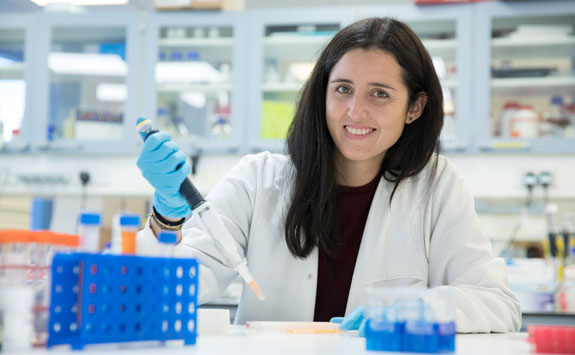
People’s experience of a rare condition varies, but common challenges exist in daily life and in understanding and treating them. The Newcastle Centre for Rare Disease spans the ‘bench to bedside’ pipeline, fostering learning across disease areas.