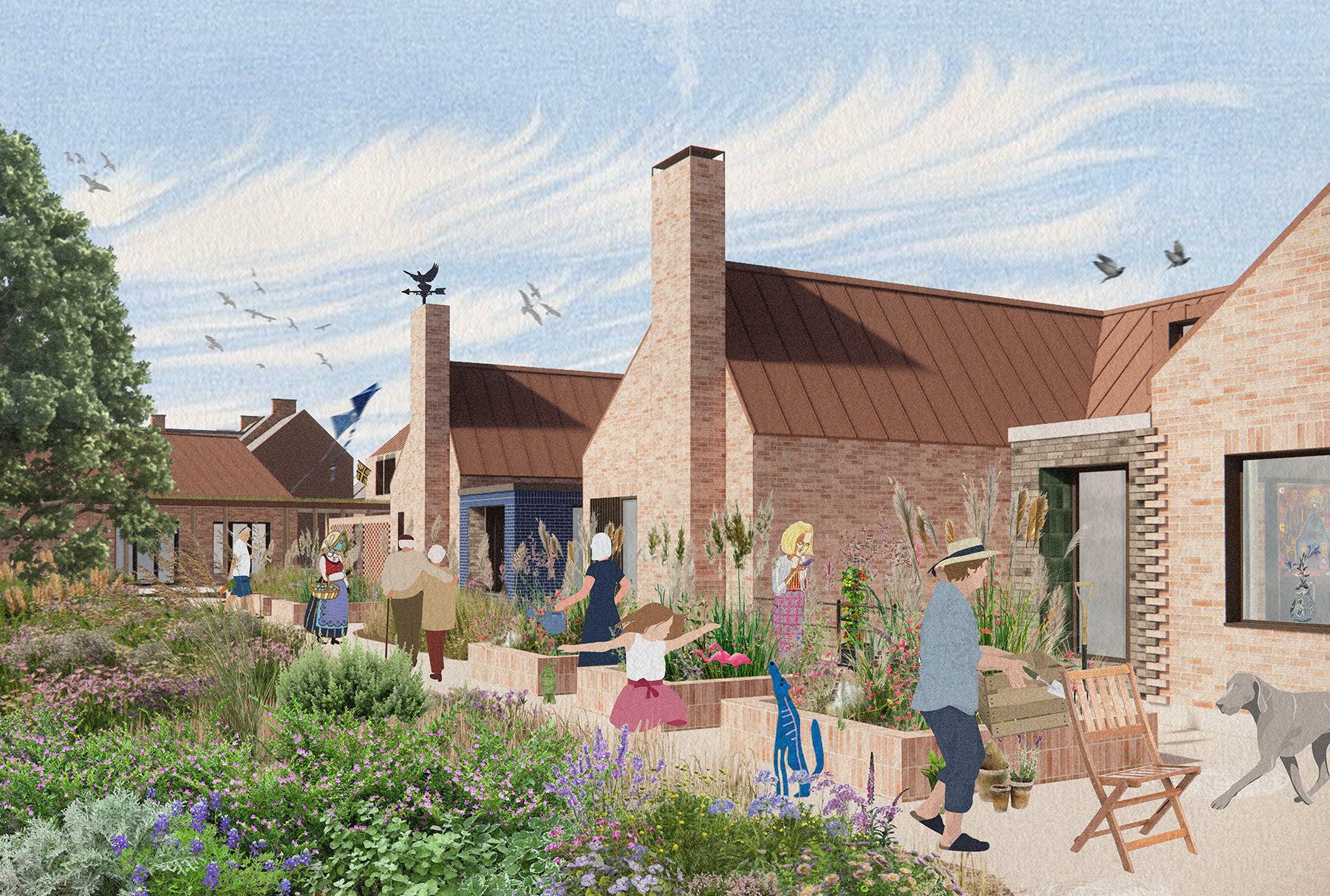
Material Change
FaulknerBrowns Studio led by Daniel Burn in 2025 - 2026
This year’s brief focused on adapting existing structures, with re-use, repair, reconfiguration, and reinvigoration at the heart of the design approach.
The environmental case for building reuse is compelling. In the UK, construction uses 60% of all materials, produces a third of all waste, and is responsible for 45% of CO2 emissions. Adaptive reuse involves repairing and restoring existing buildings for new purposes. While this approach is not new, current environmental pressures make a stronger case than ever for the industry to prioritise adapting and transforming existing buildings. As a result, this work now makes up a growing share of many architects’ workloads, and that trend is likely to continue.
This year’s studio was based in Sunderland, in the North East of England. FaulknerBrowns has a long-standing relationship with the city; over the past decade, we have designed and delivered significant commercial and cultural buildings there, alongside large-scale mixed-use masterplans. We are also currently involved in several projects that will provide new housing in the city.
The studio began by analysing these buildings and projects to understand how Sunderland has changed and how it may evolve over the next decade. The idea of ‘new from old’ applies to both ideas and materials. Our aim is to revive existing ideas and adapt existing structures using new materials that enable new forms of use.
Student work
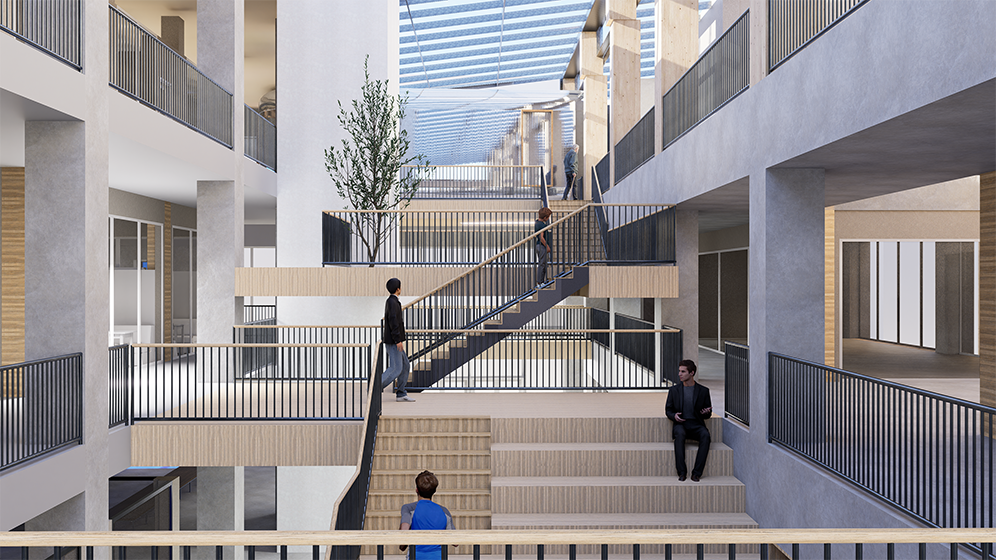
Wong Kwun Hei Bryan
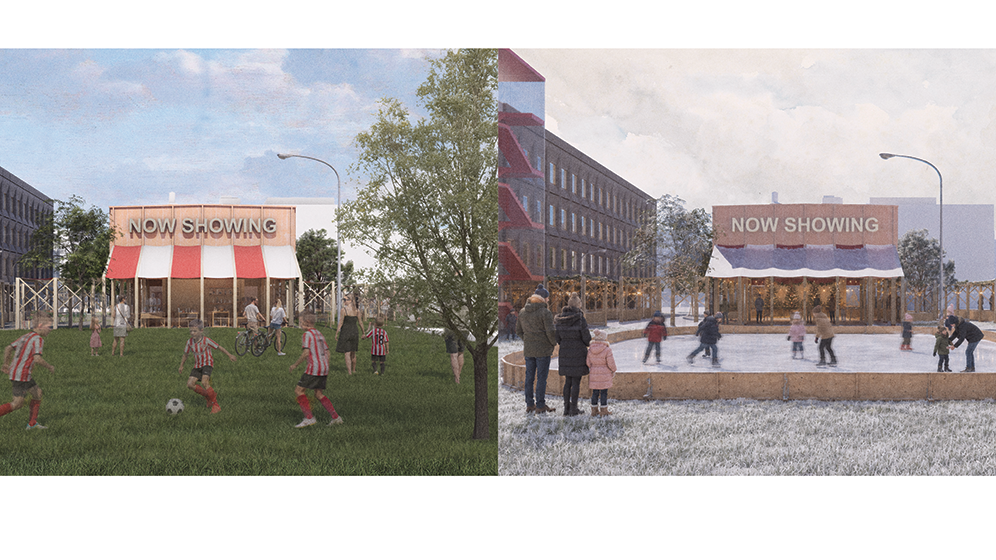
Harry Tse
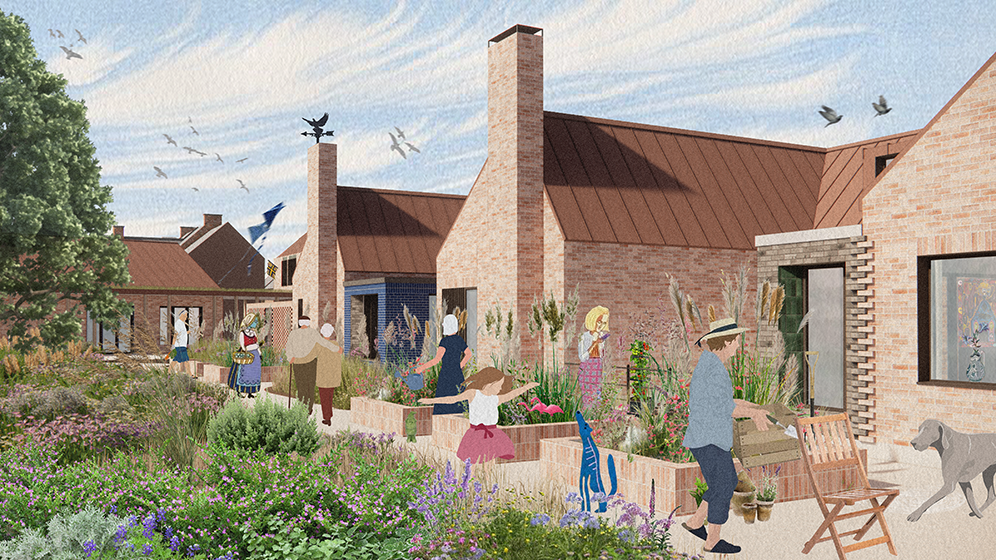
Olivia Roberts
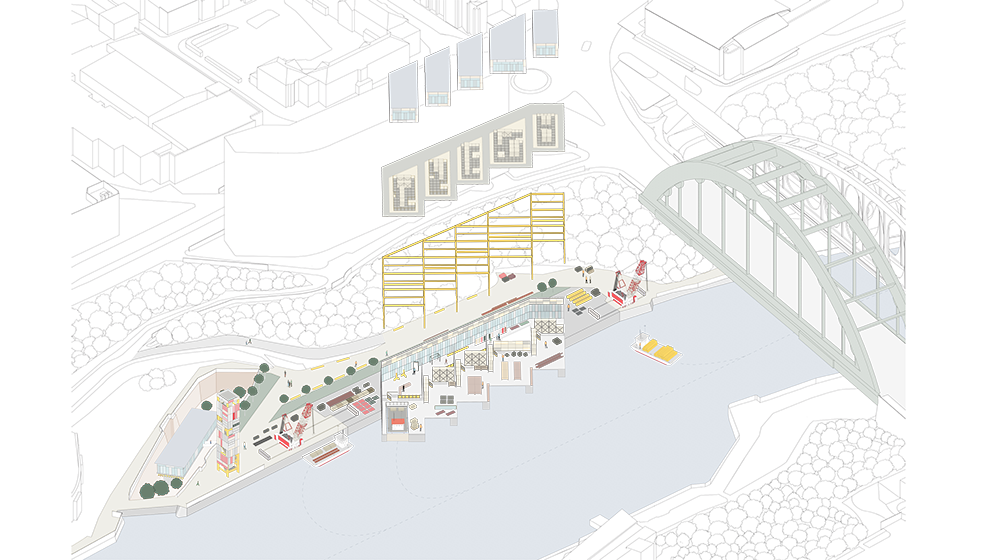
Oliver Walsh
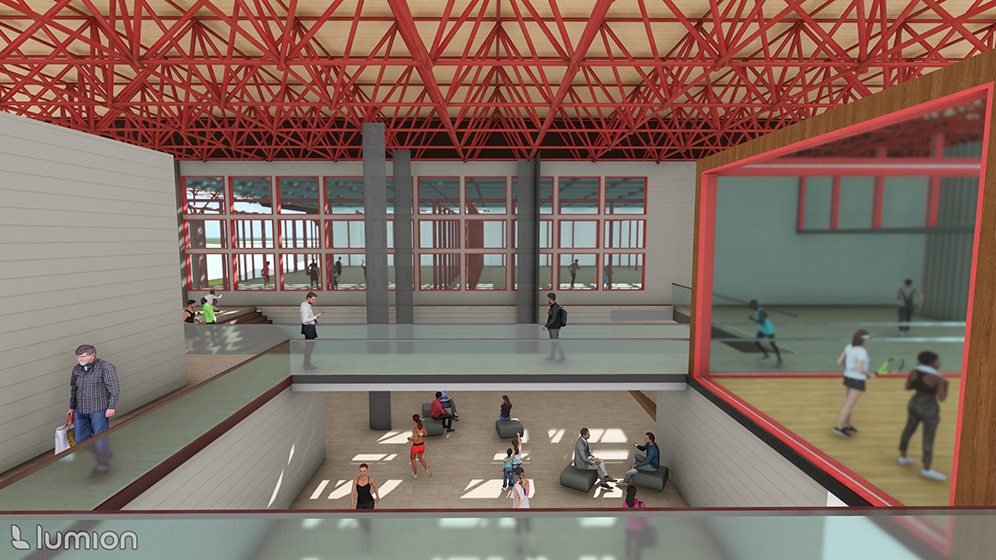
Rares-Ioan Naum
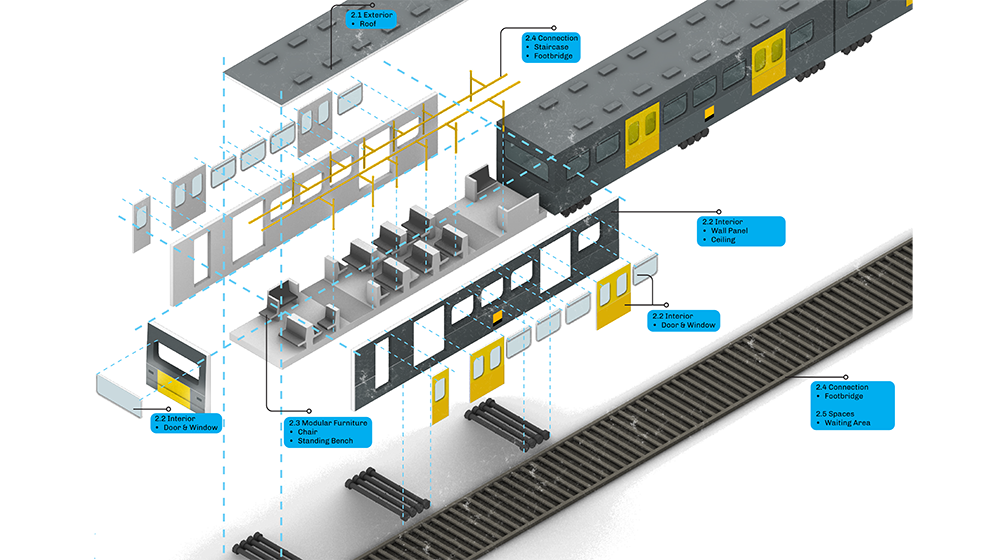
Eijaz Fiqri