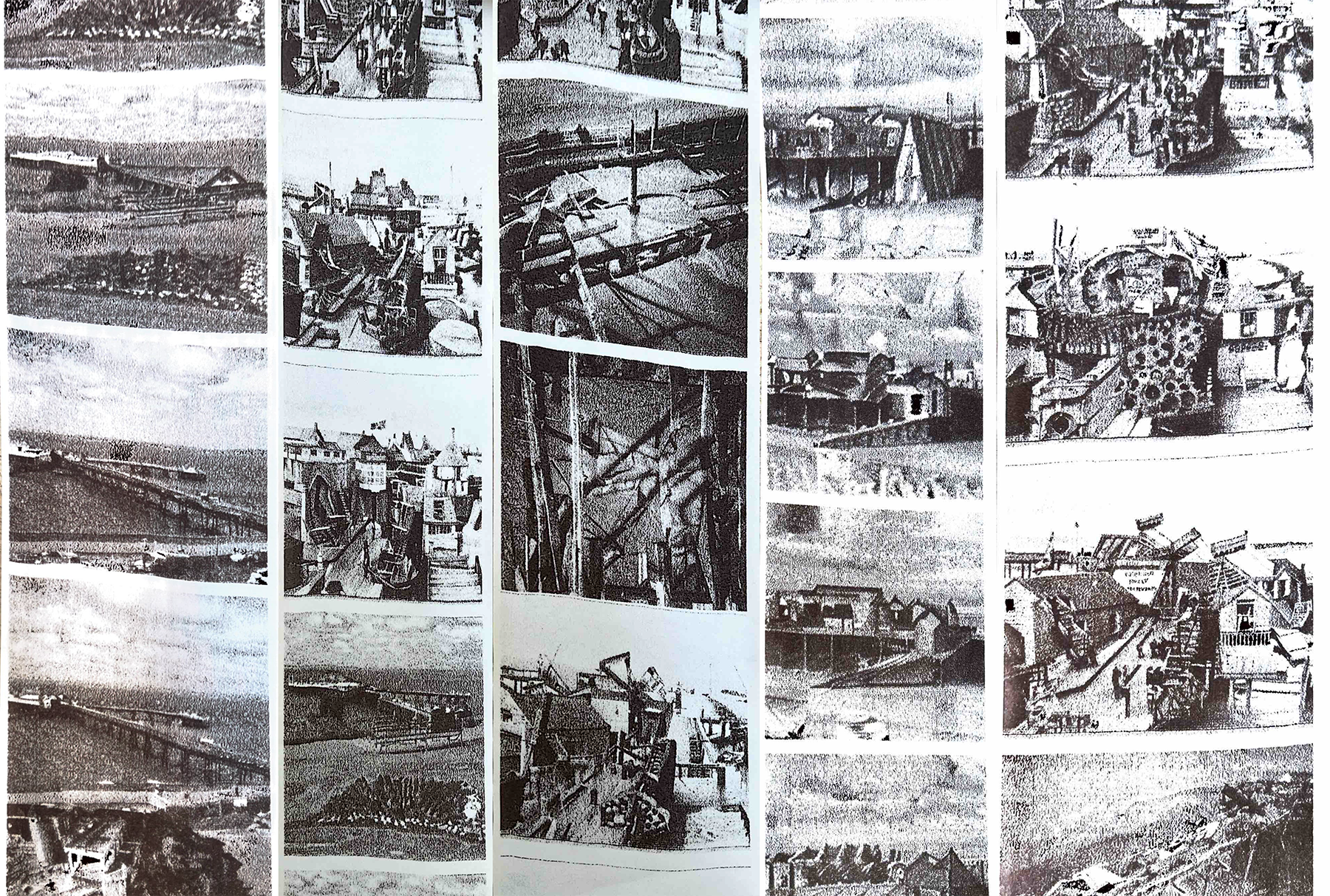
Spaces of Passage
Studio led by James Craig and Matt Ozga-Lawn in 2025-2026
As architects, it's important to ask: what tools can we use to reveal the unresolved pasts and uncertain futures embedded in Britain’s landscapes? The coastline has always been a site of passage — marked by trade, empire, and migration — and remains charged with political complexity today. The movement of people and goods across these thresholds is deeply contested and instrumentalised in debates on sovereignty, security and belonging. As the climate emergency intensifies, these landscape-defined borders are also imbued with uncertainty as sea levels rise and coastal erosion quickens.
Spaces of Passage aims to challenge the socio-political amnesia of these territories. It asks: how might architecture describe what is not visible? How can we represent forces, memories, and lives that exceed the stable language of conventional architectural representations?
We asked students to fashion their own hauntological tools — new methods of sensing, recording, and intervening in these charged sites. Through maps, atmospheres, material fragments, counter-archives, and memorials, we learnt to sense what remains and what persists. We worked in the company of ghosts: of those erased by history, of those caught in the limbo of transit, and of those whose futures are yet to come. The task was not to resolve or exorcise them, but to listen, to attune our architectural sensibilities to their unfinished presence and, in doing so, imagine a different kind of place.
Student work
-A1-Analitica-2-Louis-Gardener.png)
Louis Gardener
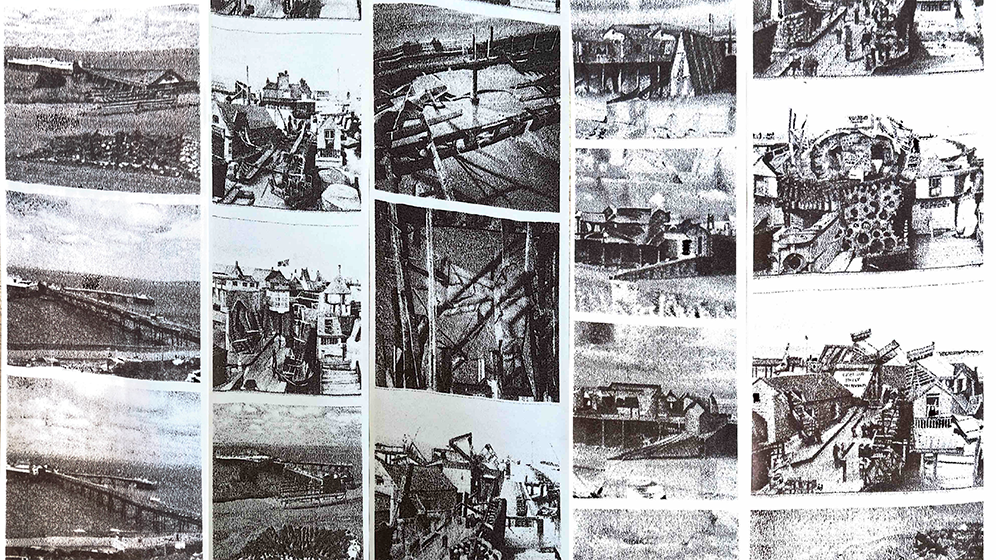
Ben Clifton
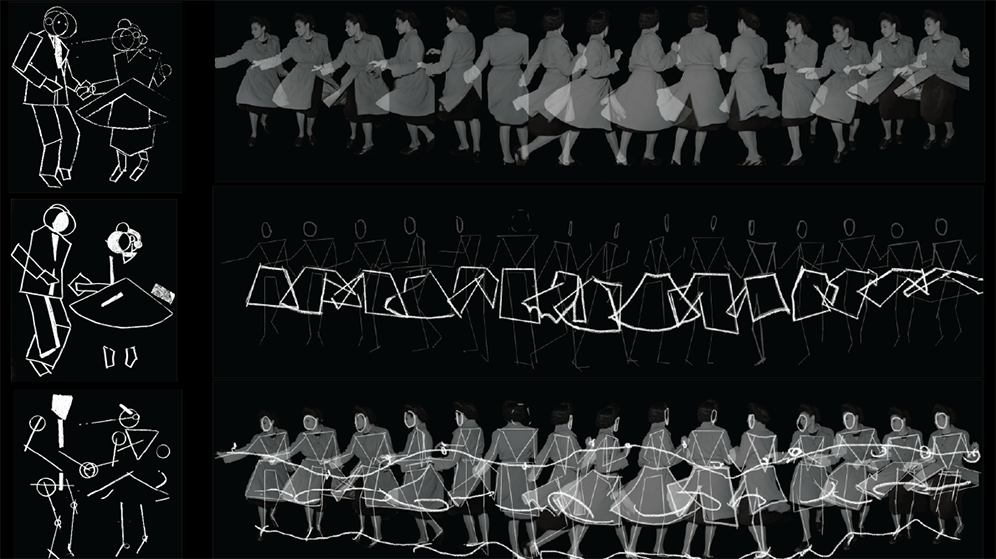
Nazheef Ab Razak
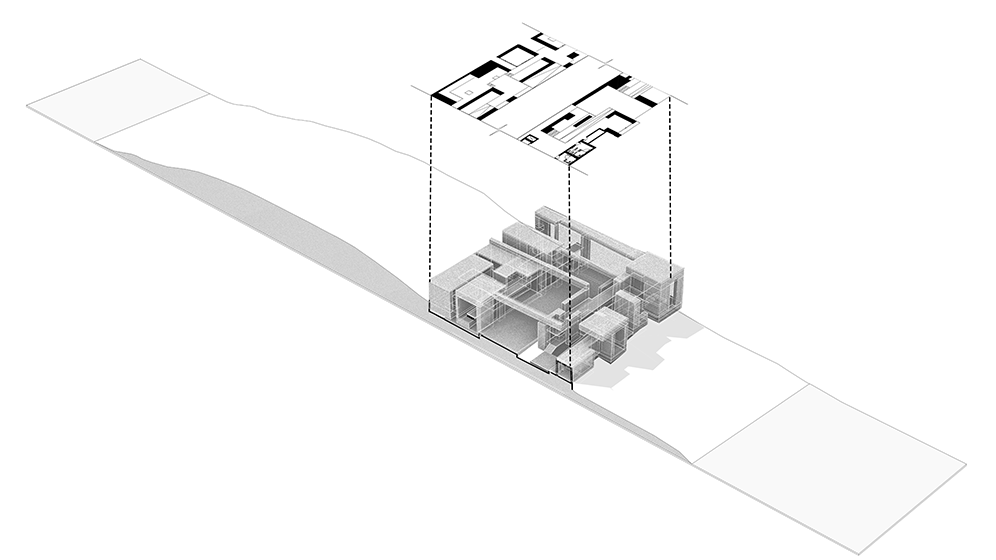
Bhoomika Passad
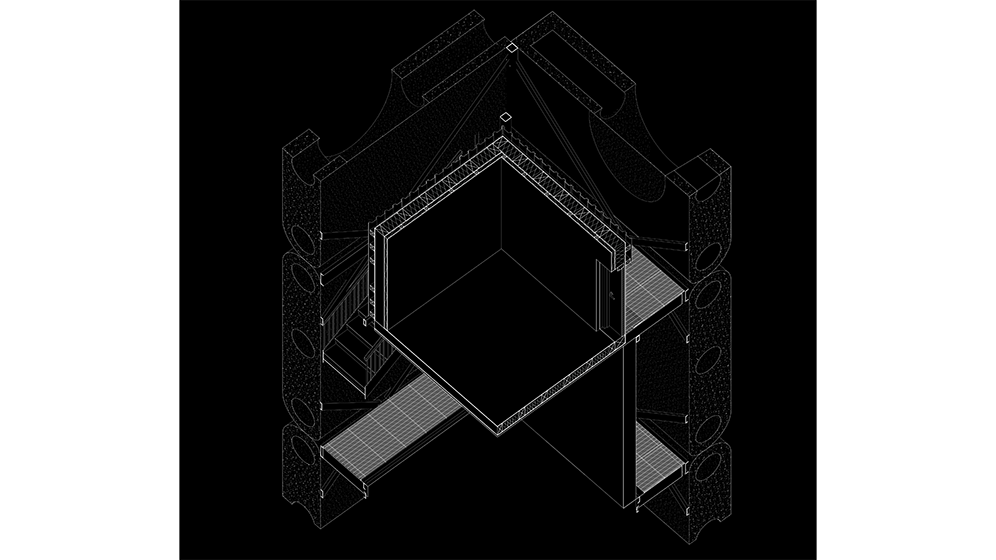
Joshua Carr
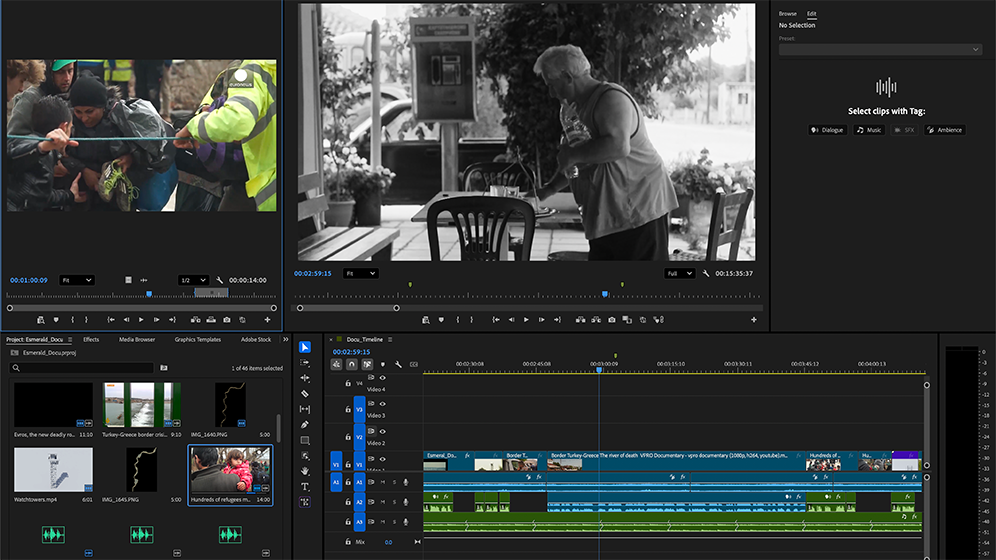
Esmeralda Hysen
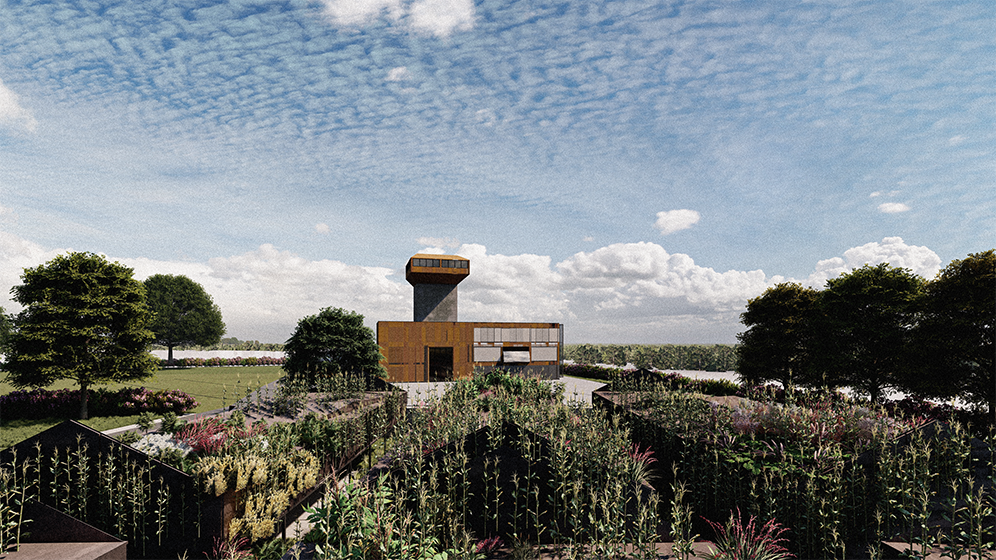
Benjamin Gath
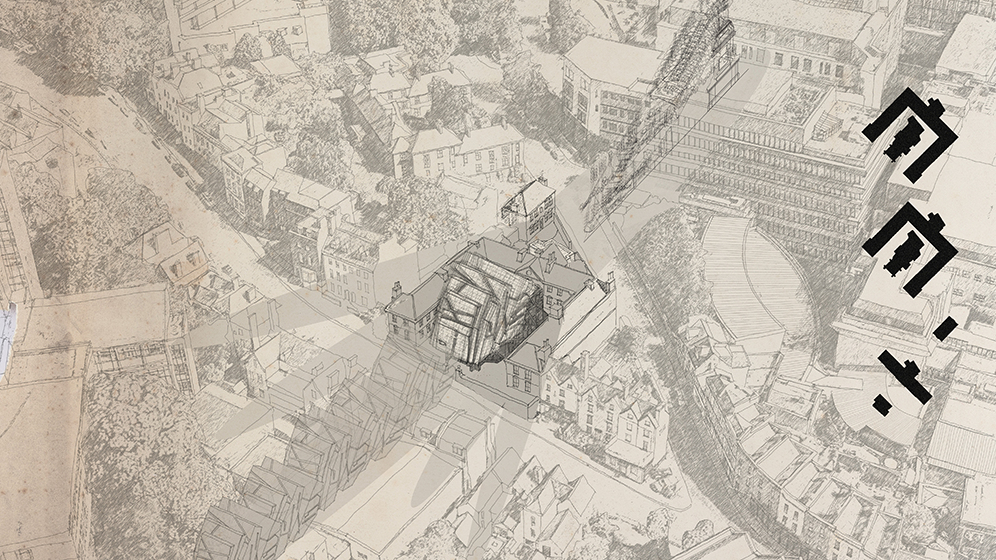
George Bong
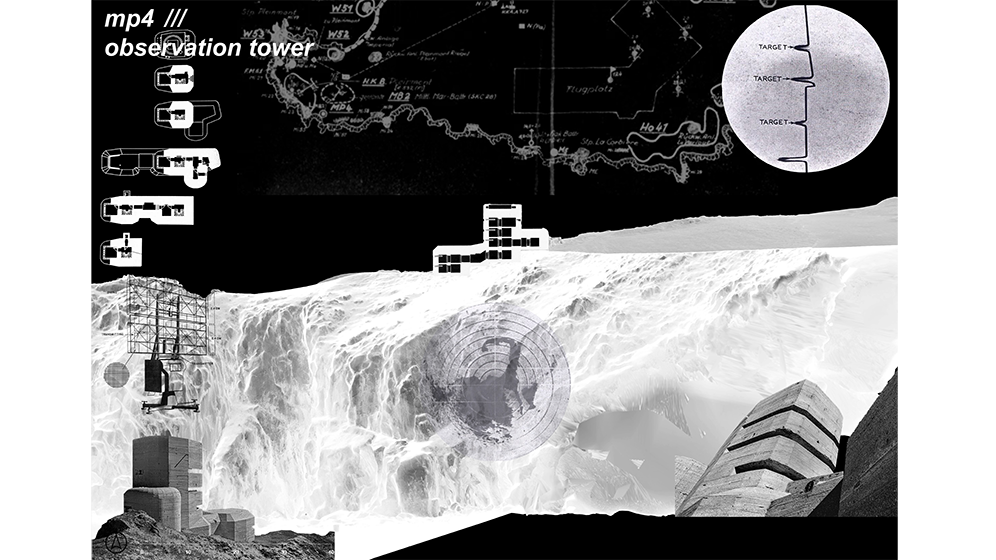
Tobias Moitt
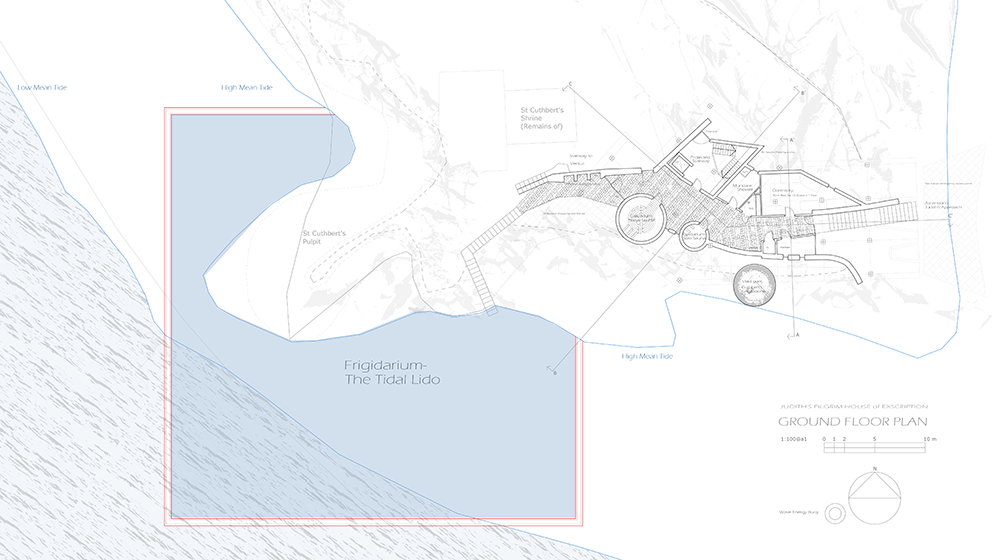
Pippa Porter
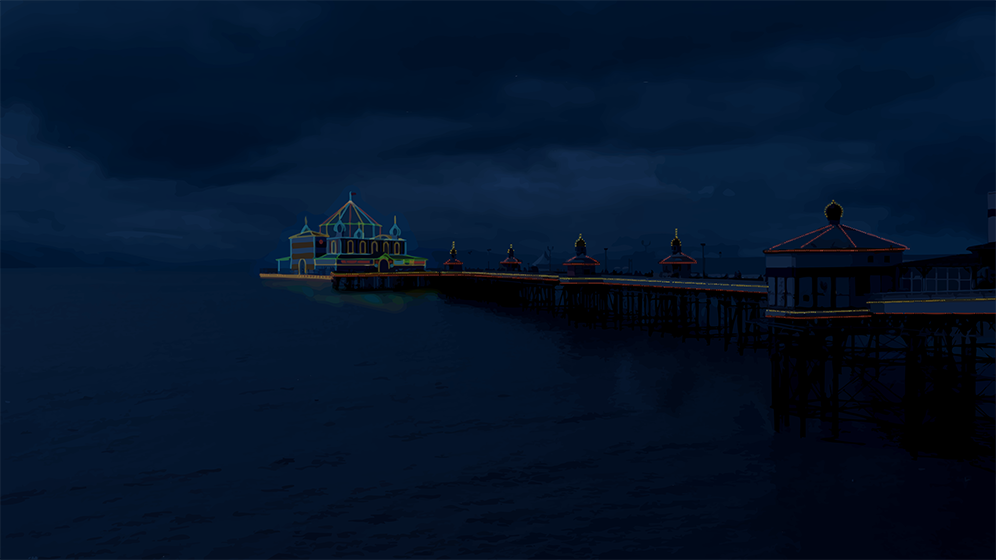
Michael O'Brien