Developing high-impact research at the Trans-Atlantic Rural Research Network
21 May 2026
In May, five Centre for Rural Economy (CRE) members travelled to Penn State University for the annual Trans‑Atlantic Research Network (TARRN) meeting — a collaboration between Newcastle University, Aberystwyth University, James Hutton Institute Aberdeen, Wageningen University, Penn State University, and Cornell University. Covering the full spect
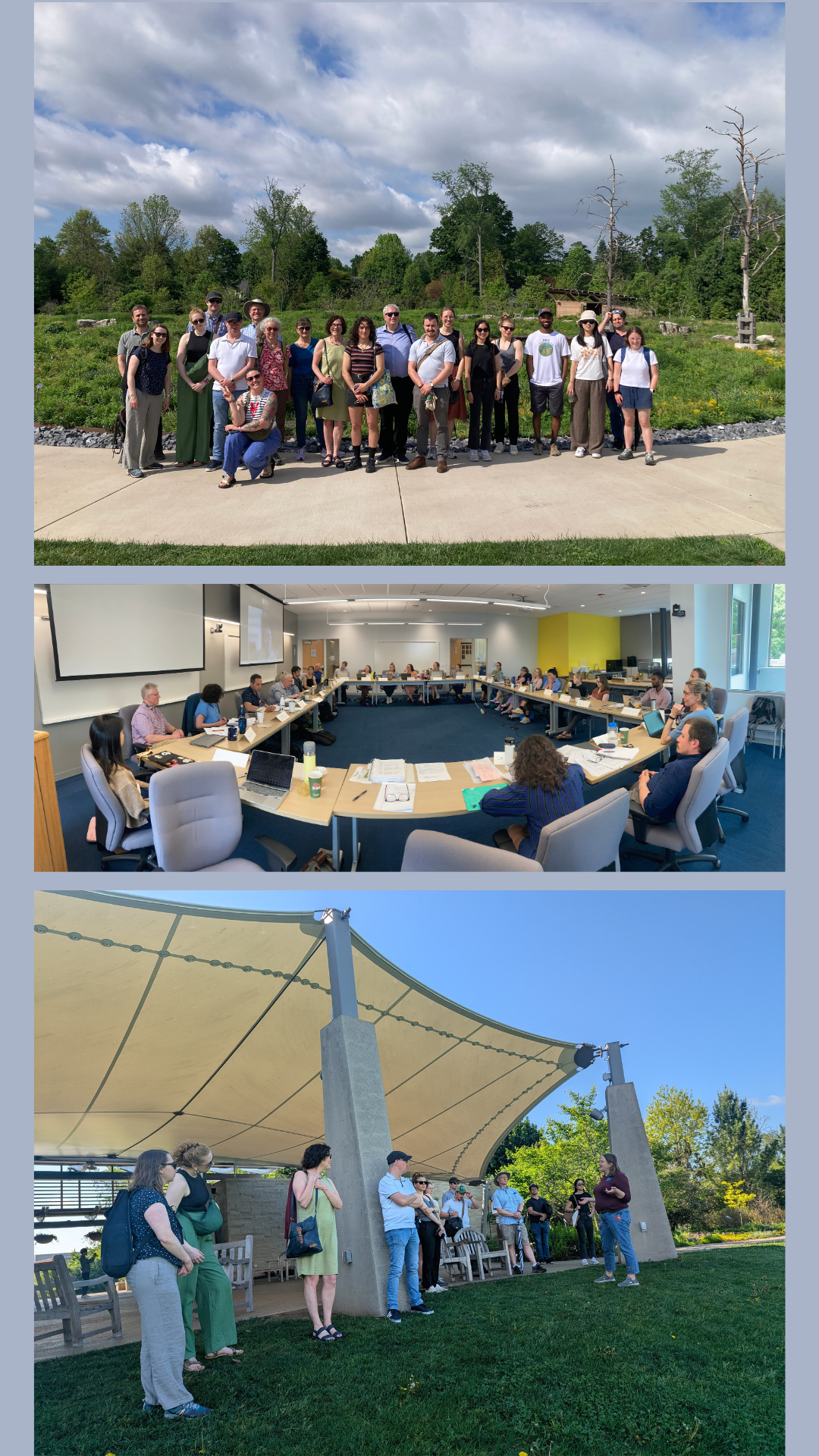
In May, five Centre for Rural Economy (CRE) members travelled to Penn State University for the annual Trans‑Atlantic Research Network (TARRN) meeting — a collaboration between Newcastle University, Aberystwyth University, James Hutton Institute Aberdeen, Wageningen University, Penn State University, and Cornell University. Covering the full spectrum of food, agriculture, rural and environmental research, TARRN has been running for twenty years and remains one of the most productive networks of its kind.
TARRN turns good research into excellent research — and it does so through a model of collaboration that is both rare and highly effective.
Its distinctive format is part of that success. To take part, you must have written a journal article or book chapter, but you don’t present it yourself. Instead, two colleagues present your work and give rigorous, constructive critique, helping ensure it’s ready for submission. This supportive but demanding approach has produced special issues, edited books and comparative trans‑Atlantic research for two decades.
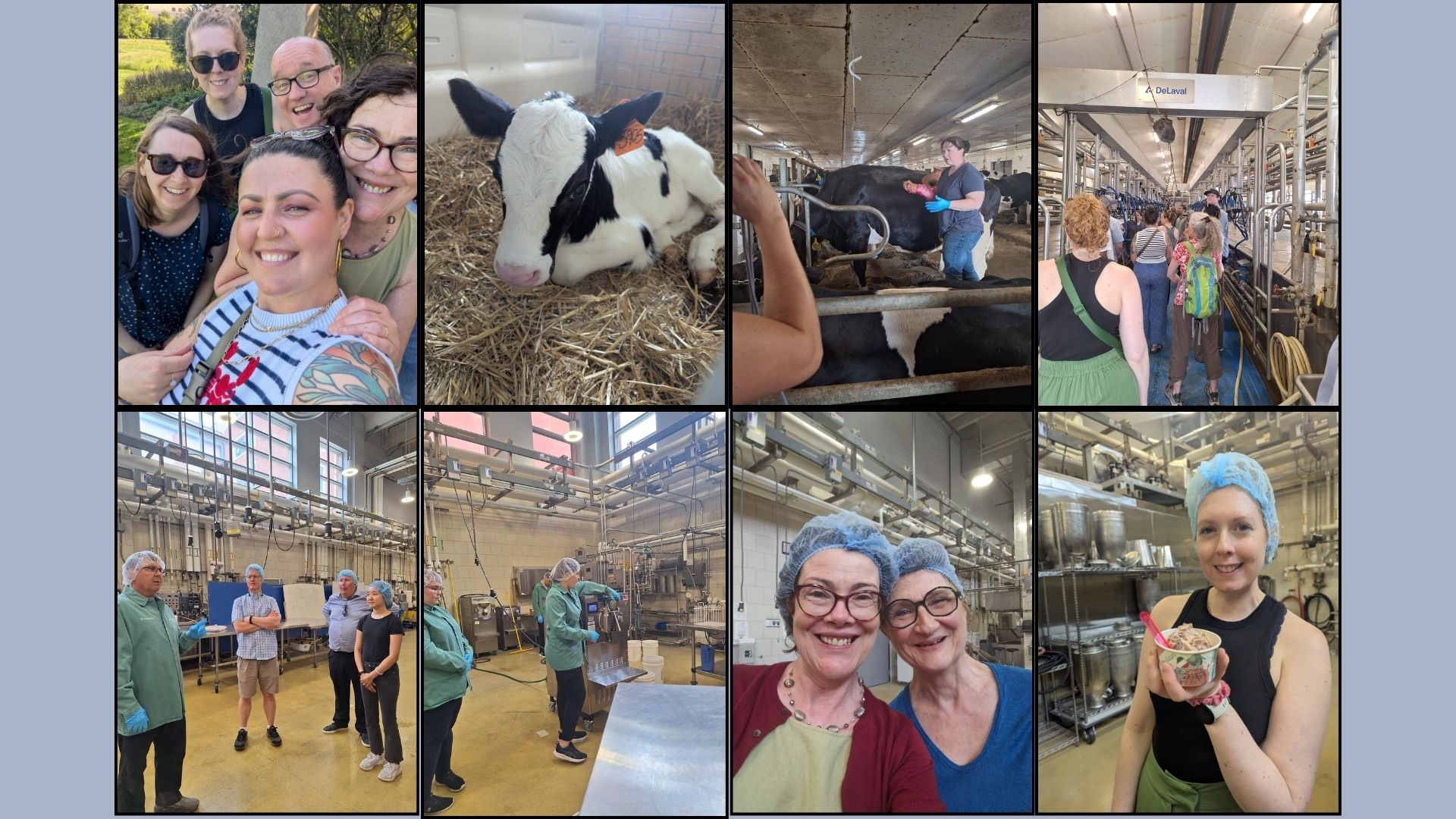
There was time for some memorable moments too. We met the famous Penn State cow with a hole in her stomach (equal parts fascinating and revolting), spotted frogs enthusiastically mating in the arboretum, and learned how ice‑cream is made in the Penn State dairy — where two trainees named Ben and Jerry once learned their craft.
TARRN meetings rotate annually: next year in the Netherlands, then Aberystwyth, then Cornell. New members from across the university and across disciplines are always welcome, and colleagues from HASS already take part.
A network that sharpens research, builds international partnerships and occasionally involves cows, frogs and ice‑cream — what’s not to love!
There was time for some memorable moments too. We met the famous Penn State cow with a hole in her stomach (equal parts fascinating and revolting), spotted frogs enthusiastically mating in the arboretum, and learned how ice‑cream is made in the Penn State dairy — where two trainees named Ben and Jerry once learned their craft.
TARRN meetings rotate annually: next year in the Netherlands, then Aberystwyth, then Cornell. New members from across the university and across disciplines are always welcome, and colleagues from HASS already take part.
A network that sharpens research, builds international partnerships and occasionally involves cows, frogs and ice‑cream — what’s not to love!