Adult Oral Health Survey
Oral health report highlights increasing tooth decay in England
Published on: 9 December 2025
Tooth decay has risen sharply since 2009, reversing earlier improvements and taking levels back towards those last seen in the late 1990s, new official statistics show.
The findings from the Adult Oral Health Survey (AOHS) 2023 also highlight growing impacts on quality of life, persistent inequalities and clear challenges in accessing dental services.
Key findings
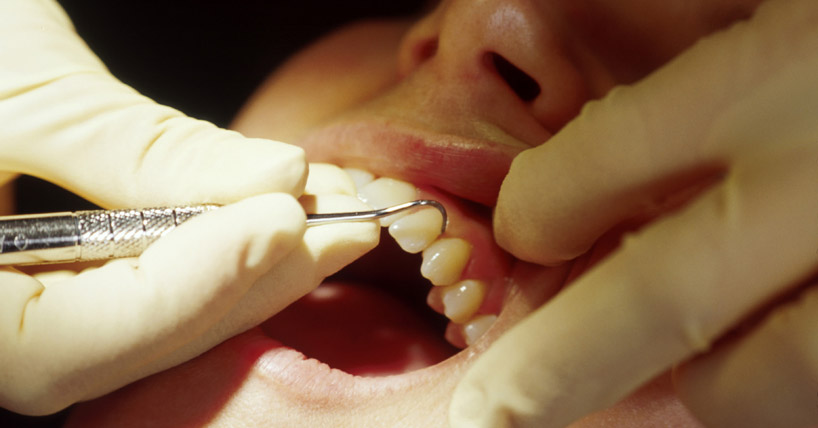
- Four in ten adults with natural teeth had obvious tooth decay when examined (41%). This compares with 28% in the last national survey in 2009 and is similar to levels seen in 1998.
- Under a broader measure that includes enamel decay, nearly two thirds of adults (64%) had signs of decay.
- Impacts on daily life have increased. Four in ten adults (43%) reported that their oral health had negatively impacted on their daily life, a rise since 2009 when this was 33%.
- Almost one in five adults (19%) had at least one potentially urgent oral health condition, including dental pain, deep decay involving the pulp or one or more PUFA sign (an index used to measure the severe consequences of tooth decay).
- Very few adults now have no natural teeth. Only 2.5% reported having none, down from 6% in 2009.
- Regular dental attendance has fallen. Just over half (52%) of dentate adults said their usual reason for attending was a check-up (this was 61% in 2009), while 35% only go when having trouble with their teeth, mouth or dentures.
- Barriers to care were common among those attending infrequently, including being unable to find a dentist (40%), being unable to afford charges (31%) and not perceiving a need to go (27%).
- Stark inequalities persist. Adults in more deprived areas had higher levels of disease, more pain, worse quality of life and were less likely to attend a dentist regularly than those in more affluent areas.
"a preventable disease"
Dr Richard Holmes, Senior Lecturer in Dental Public Health at Newcastle University and co-author of the survey said: “It is good news that adults in England are keeping their teeth for longer, with very few now having no natural teeth at all. However, there has been an increase in untreated tooth decay - in contrast to the improvements in oral health seen in previous surveys.
“It is concerning that adults in more deprived areas experience poorer oral health and negative impacts upon quality of life, compared to those living in more affluent areas.
“Dental decay is largely a preventable disease, so there is a need for continued investment in evidence-based disease prevention and a public health approach to ensure that oral health care is targeted toward populations with the greatest need.”
The AOHS 2023 provides the first clinical picture of adult oral health in England for more than a decade.
"tooth decay has risen again"
Franziska Marcheselli, Research Director at the National Centre for Social Research said: “Adults in England are keeping more of their natural teeth for longer, but today’s findings show that tooth decay has risen again and is now more common than it was in 2009. The findings underline the importance of prevention and better access to dental care, particularly for those facing the greatest disadvantage.”
The survey was commissioned by the Office for Health Improvement and Disparities (OHID) within the Department of Health and Social Care (DHSC). It was delivered by a consortium led by the National Centre for Social Research (NatCen) and includes dental academics with experience of oral epidemiology from the Department of Dentistry at the University of Birmingham, the Faculty of Dentistry, Oral & Craniofacial Sciences at King’s College London, the School of Dental Sciences at Newcastle University, and the Dental Public Health Group at the Department of Epidemiology and Public Health at University College London.
George Tsakos, Professor in Dental Public Health at UCL, said: “These findings are deeply alarming. Earlier oral health gains have been reversed, and we are now back to the levels of untreated tooth decay last seen in 1998. More adults are reporting that the poor state of their teeth and mouth is affecting their quality of life, such as causing difficulty eating, than in previous surveys.
“The survey also shows that adults in more deprived areas are suffering disproportionately higher levels of oral disease, reporting levels of pain up to three times higher and worse quality of life due to their oral health. At the same time, they are also finding it harder to get a dental appointment than those in more affluent areas.
“This presents a considerable public health challenge and is an area that we need to look at as a priority. Decay is caused by sugar and we need prevention strategies which address that such as the recent planned extension of the sugar levy to high-sugar drinks including milk-based drinks.”
Read the full report here: Adult oral health survey 2023 - GOV.UK