Bioengineering
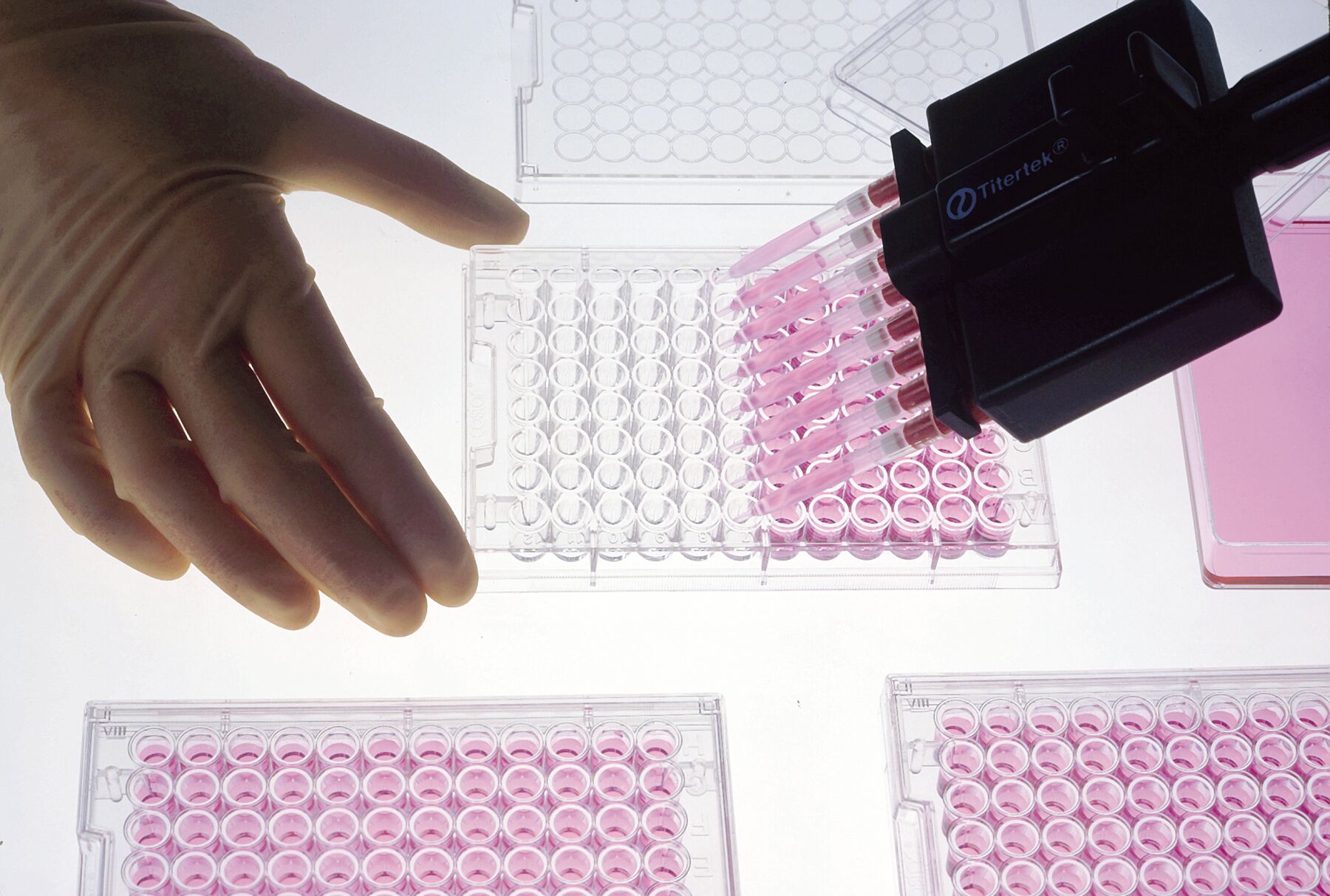
Our work encompasses the design, manufacturing, and performance testing of bioengineering applications. We leverage both natural and synthetic materials to address healthcare challenges using core engineering principles.
The Bioengineering Research Group at Newcastle University applies engineering principles to improve healthcare. We focus on understanding diseases, developing and testing treatments, and creating innovative medical technologies.
We advance research to:
- understand diseases
- develop effective treatments
- evaluate the efficacy of currently available solutions
- engineer innovative biomaterials and medical devices
We work with clinicians, researchers, and industry partners to design and test medical devices. We also explore advanced materials and develop biomedical robotics to address real-world health challenges.
Our research
Our research in medical devices spans the full development pipeline, from concept and design to manufacturing and performance testing. We work on technologies that can improve diagnostics, treatment, and patient care, ensuring they meet real clinical needs.
We advance research to understand how healthy bodies function and how diseases develop. In biomechanics, biotribology, and biomaterials, we study how the body moves and how biological systems interact with materials. This helps us evaluate current treatments, improve implant performance and design. We also develop natural and synthetic materials that integrate safely and effectively with the body.
Our biomedical robotics research uses robotic and mechatronic technologies to understand how the human brain plans, controls, and executes movements. It also examines how new motor skills are acquired from early development through maturity. We leverage this knowledge to design human-centred robotic systems. They better assess and treat movement-related brain disorders such as stroke and Parkinson’s disease.
Research themes
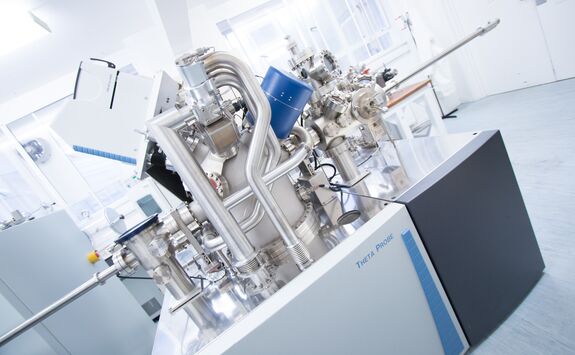
Our core research areas include:
- medical devices - design, testing, optimisation
- biomechanics and biotribology
- biomaterials
- biofabrication
- biomedical robotics
We collaborate closely with the Medical and Dental School, the NHS, leading medical charities, and industry partners to ensure our research has real-world impact.
Recent research projects
- Biofabricating a 3D in vitro model of synovium for studying the relationship between gut and joint inflammatory diseases
- Development of a piezoelectric cardiac patch to tackle cell senescence
- Volumetric bioprinting of complex bone architectures to study Mechano-stimulation of stem cells
- Development of a 3D in vitro heart chamber
- Explorations of the bidirectional links between Periodontal Disease and Inflammatory Bowel Disease
- Hands-Off: Analysing the role of sensors and closed-loop systems for pressure ulcer prevention
- Shape memory alloy compositing using gallium-gold putty for use in medical implants
- Quantitative Assessment of Estimated Volume Loss in Explanted Total Knee Replacement (TKR) Tibial Tray Components.
- Explant and Tribological Performance Analysis of Metal-on-Metal (MoM) Motec Wrist Implants
- Explant and Tribological Performance Analysis of MAGnetic Expansion Control (MAGEC) Rods
- Influence of Metal Surface Roughness on Wear in Metal-on-Polymer Articulation for Orthopaedic Applications
- Engineering a polymeric basement membrane for beta-cell transplantation
- HARBORSS
- OCULUS: The assessment of flow parameters and variations during vitrectomy
- Engineering immunomodulatory biomaterials for regenerative medicine
- Layer-by-Layer assembly of collagen and hyaluronic acid in the treatment of chronic wounds
- Optimisation and modelling of Layer-by-Layer Assembly for Skin Regeneration and Wound Repair
PhD Opportunities
Future research projects (PhD and postdoctoral):
- an open source finite element ankle model for in-silico assessment of ankle treatment
- mapping the auxeticity of human bone
- stereo-topology enhanced DLP bioprinted patient-specific bone scaffolds towards controlled osteogenesis and expedited bone regeneration
- multi-functional hydrogels for promoting bone fracture healing through local induced release of pharmaceutical agents and gradual matrix replacement by the regenerating bone
Teaching
Teaching in the area of Bioengineering covers a range of modules, for example:
- Digital Manufacturing Processes and Systems
- Introduction to Biomedical Engineering
- Orthopaedic Engineering
- Biomedical Additive Manufacture and Biofabrication
- Contemporary Case Studies in Biomedical Engineering
- Medical Devices Regulatory Requirements
- Biomaterials
- Tissue Engineering
- Biomimetics