Published: 12 November 2021
Exploring heritage and memory in the Derwent Valley
Paying attention to small details of everyday life in familiar places can help us understand how people feel about where they live, a Newcastle University researcher has found.
As part of her PhD project, Philippa Carter has carried out a series of walking interviews with residents of Chopwell and Winlaton, in Gateshead, to find out how memories of the past shape their feelings about places in the present, and how these memories have been shared between generations.
The results of the research will be explored in a talk that Philippa will deliver this month, focusing on how the senses can be a strong trigger for memory, particularly in post-industrial landscapes which have seen significant change within living memory.
Taking place as part of the Being Human festival, the UK’s only national festival of the humanities, Philippa’s talk will cover the ways in which people understand and engage with their local landscapes and how this is influenced by their family relationships and collective memories of the wider community.
“The Derwent Valley is a beautiful part of the world, but it also has a rich, industrial legacy,” Philippa says. “Although there are few tangible signs of heavy industry today, both Chopwell and Winlaton were shaped by their industrial pasts and retain strong community identities.
“Memories play a significant role in shaping sense of place, so by accompanying local people on some of their favourite walks around the area, I saw the importance of spending time in the landscape – both in terms of people’s wellbeing and also how it has helped shape their sense of identity and heritage.
“Working in collaboration with the Land of Oak and Iron, who have done so much in recent years to conserve the heritage and natural history of the area, this event will consider the ways that paying attention to the senses and noticing the small details of place can offer a different perspective on the past and suggest new ways of enjoying local heritage.”
Through her research, Philippa uncovered a wide range of aspects of everyday life which have shaped local cultures and attitudes, and which have been passed on through generations, including accents, craft skills and walking routes.
Her research also highlighted how people and landscape interact, as many of the people she interviewed spoke about different tree and plant species, or different animals, that they had seen throughout their various experiences of the local area.
“In these post-industrial areas I found very little nostalgia for lost industry as people recognised the danger and sheer hard work involved in something like mining or metal working,” Philippa adds. “But there was a strong sense of loss around the disappearance of a more communal way of life where social networks built around industry were strong. People also had a strong sense of attachment to the local landscape – many remembered not just what had changed, but what had stayed the same, giving them an important sense of continuity which they found valuable.”
The ‘Heritage Tea and Chat’ event will take place on Thursday 18 November, 7.00pm at the Land of Oak and Iron Heritage Centre, Winlaton Mill, Gateshead. The event is free, but places are limited and must be booked in advance. To find out more about Philippa’s PhD project visit https://www.ninedtp.ac.uk/philippa-carter/
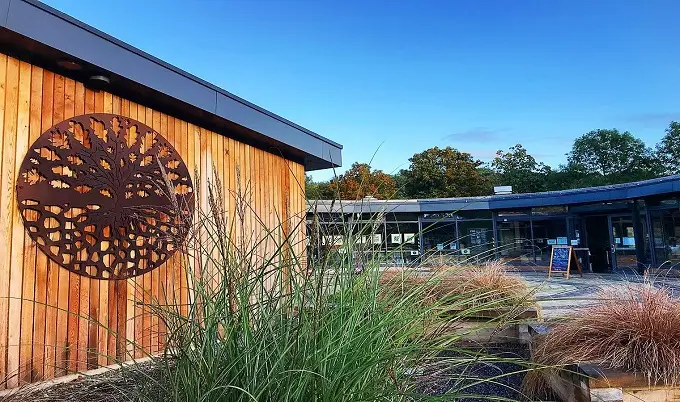
By accompanying local people on some of their favourite walks around the area, I saw the importance of spending time in the landscape – both in terms of wellbeing and also how it has helped shape people’s sense of identity and heritage.