
Building the energy systems of tomorrow
As global demand for energy grows and natural resources come under increasing pressure, the transition to cleaner, smarter and more resilient energy systems has never been more urgent.
At Newcastle University, we are shaping the future of energy systems through world-leading research, industry partnerships, and innovative solutions that support the journey to net zero.
From hydrogen production and energy storage, to decarbonised transport and advanced materials, our research is transforming the way energy is generated, managed and used across the UK and around the world.
By bringing together experts in engineering, chemistry, biosciences, materials, transport, and policy, we are developing insight and solutions right across the entire energy system. Our work spans:
- hydrogen and electrification: low‑carbon hydrogen production, storage, and transport; fuel cells and electrolysers
- energy storage and advanced materials: next‑generation batteries, membranes, catalysis, and carbon capture
- infrastructure and systems: decarbonised transport; environmental monitoring; water‑resource technologies
Partnerships driving change and impact
We collaborate with industry, government, and international partners to bring research into practice at speed and scale. Highlights include:
- an international clean hydrogen partnership across the UK and the Kingdom of Saudi Arabia, involving more than 30 academic, industrial, and governmental partners
- national leadership in decarbonised transport, through the UK’s hub for Adaptable and Resilient Transport Infrastructures
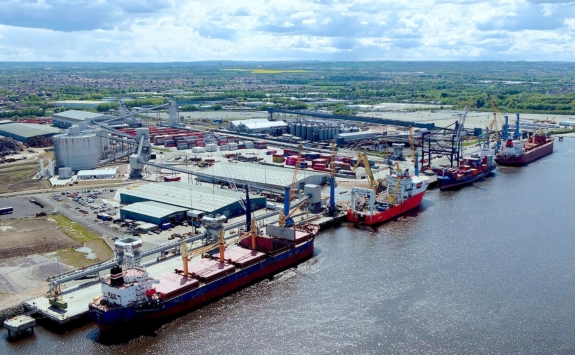
- strategic collaborations with Siemens, the Port of Tyne, and the Sofia offshore wind farm, supporting innovation, skills, and net‑zero transition in key sectors
- a regional innovation ecosystem that leads the world in offshore wind
Developing the talent to power the transition
Decarbonisation depends on a workforce with advanced technical and interdisciplinary capability.
Across doctoral centres, collaborative training partnerships, degree apprenticeships, professional development programmes, and undergraduate and postgraduate degrees, we equip learners to become the clean‑tech innovators of tomorrow.
Our programmes span:
- process industries and green chemistry
- renewable energy and electrification
- sustainable consumer products
- advanced manufacturing and battery systems
Crucially, our students learn in environments where academic excellence meets the leading edge of industrial practice, ensuring they are exposed to the latest technologies, challenges and opportunities shaping the transition to net zero.

From research to commercial impact
When new discoveries show commercial promise, we help bring them to market. Our spin‑out and start‑up companies are advancing the clean‑tech economy across:
- electric vehicle technology (Advanced Electric Machines)
- battery safety and energy recovery (Recovolt)
- advanced thermal insulation materials (Dragonfly Insulation)
- wastewater resource recovery (METZero)
- offshore energy infrastructure optimisation (Kinewell Energy)
Alongside these ventures, we work with businesses to license our growing portfolio of technologies that support clean growth and net‑zero innovation.
By combining deep research expertise with practical routes to commercialisation, we accelerate the development of technologies that make a measurable difference to industry, communities, and the transition to net zero.