Environmental Engineering
Research excellence and adventure for clean water, land and air.
Our research
We use the best principles of science and engineering in our research. We have organised our research around three inter-related threads. You can find information about individual research projects within each of the threads in the Research Projects section below.
Across all threads, we utilise our leading laboratory and field experimentation facilities, supported by statistical methods and modelling tools. We work across scales, from micro-scale laboratory investigations to macro-scale engineering interventions.
We undertake research in collaboration with industry, regulators and local and national government. Our research is funded by a range of organisations, including UK Research and Innovation (UKRI).
Engineered Biological Systems
Successful biological treatment remains one of the most cost-effective methods of pollutant removal.
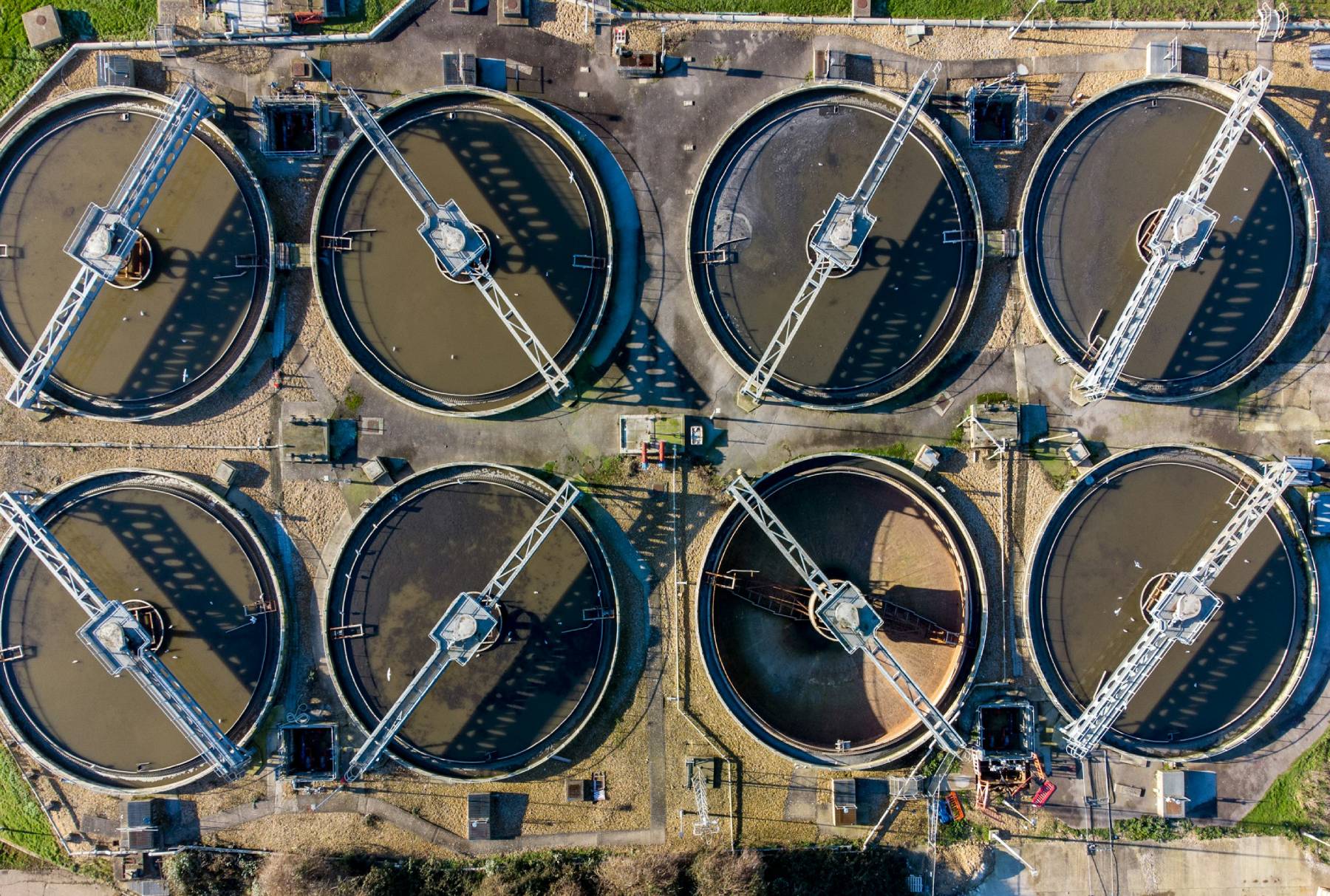
Engineered biological treatments such as wastewater treatment plants are amazing. Thousands of different micro-organisms come together in an engineered space to remove pollutants.
All biological treatment plants operate to the same rules. Understanding the rules that govern microbial communities is essential. They underpin the successful design and operation of such treatment plants.
Microbial ecology provides a new scientific basis for engineering better systems. We are applying a synthesis of ecological theories and DNA-based molecular measurement tools. This helps us to predict how microbial communities assemble and change over time. We are developing our understanding of how they respond to nutrients and other resources.
Our research also focuses on integrating quantitative microbial data into simple process models. We model the actions of microorganisms involved in specific process functions or problems.
Health, Environment and Society
We are working towards a cleaner, safer, sustainable planet that will provide benefits for everyone. Our research is improving human and environmental health across the world.
Our innovative research contributes to a more sustainable environment. We develop novel solutions that tackle threats to health. We use cutting-edge technology to provide a cleaner, safer world. Our environmental engineering work delivers societal and economic benefits.
Pollution Control and Resource Management
Water is our most precious resource. We develop cost effective and efficient methods of mitigating many types of water pollution. We devise cutting-edge solutions to keep our water supply clean and safe.
Almost all human activities rely on a supply of fresh water. An increasing population coupled with climate change means that these supplies are under threat.
Pollution comes from many sources. It arises from agricultural, industrial, household, recreational and environmental activity. To ensure an adequate supply of water, we need to monitor and control pollution.
Sustainable and resilient development
Our group's focus on environmental engineering means we have worked on many projects that contribute to sustainable and resilient development.
Our research into wastewater management is supported by our industry leading BEWISe facility. Here we investigate solutions to treating wastewater, improving water infrastructure for future generations.
One of our recent projects concerned developing a sustainable aquaculture framework in Thailand. We worked with the Thai government and local businesses to analyse and improve aquaculture practices. This helped improve water quality and reduce pollution.
One project which will benefit the agricultural sector is our research into potassium. It is used as a fertiliser, but global shortages could affect future food production. We looked at the extraction, production and transport of potassium to ensure the sustainability of future supplies.
Green manufacturing and industry
Another application of our research is in the green manufacturing and industry sector. One of our major contributions in this area is our study of the reuse and recycling of lithium ion batteries. We assessed the lifecycles of li-ion batteries, offering data to help optimise supply and recycling chains.
We are engaged with numerous wastewater projects in relation to industry. Bioelectrochemical systems are a developing technology with many applications in the wastewater industry, and we have undertaken several projects to bring these new systems into wider use.
For more information on individual research projects, please see the Research Projects section below.
BEWISe Biological Engineering: Wastewater Innovation at Scale
BEWISe is our experimental wastewater treatment facility. It consists of large pilot-scale replicated biological treatment processes. Both academic and industrial researchers use BEWISe. A Northumbrian Water Ltd site near to Newcastle upon Tyne hosts the facility. It is one of, if not the largest in Europe.
BEWISe develops innovations for sustainable wastewater treatment. It provides for experimentation and demonstration of wastewater management technology in environmental engineering.
The facility enables experiments which use 10,000 times more microbes than we can use in the laboratory. It allows large scale experimental investigations that are scientifically rigorous and industrially credible.
BEWISe received a £1.2 million grant from EPSRC. Newcastle University and Northumbrian Water Ltd (NWL) also provide funding. It is one of the most visible manifestations of our strategic partnership with NWL.
The main pilot plant hall contains duplicate automated 3m3 activated sludge and trickling filter pilot plants. Real wastewater from a local town feeds the plant. The town has a population of around 40,000.
For more information on BEWISe, please see our dedicated website.
Bioelectrochemical systems: harnessing heat energy from the environment
Bioelectrochemical systems include technologies such as microbial fuel and electrolysis cells. They hold promise as energy-efficient waste treatment systems, but the energy efficiency of the current generation is low. Our research aimed to change this.
We identified that the anode of these systems takes up heat from the environment.
We quantified this somewhat unexpected heat flow with the idea of using the energy to improve the energy efficiency of the system.
- Sponsor
- EPSRC (Bright Ideas programme)
- Dates
- 2018-2020
BIOHEAT: Husbanding biological heat to transform wastewater treatment
Bioelectrochemical systems (BES) are a developing technology. Specialised bacteria grow on an electrode and produce currents as they digest the wastes. BIOHEAT investigated heat transfers in microbial systems, allowing us to engineer and husband them.
BES technologies work with dilute wastewaters and at low temperatures, but they are not energetically efficient. Up to 90% of the total input energy goes missing, and some of this goes to heat.
Balancing the energy inputs and outputs is important for the industrial credibility of BES technology. Different microbial metabolisms, such as electrogenesis and hydrolysis, may have different temperature signals. If we can link a temperature signal to different metabolisms, taking the temperature of a biofilm may be useful as a diagnostic tool.
Linking heat energy to growth gave us a deeper understanding of the biology of anaerobic systems. We needed to understand the link between a heat signal to metabolism, substrate uptake, and growth in mixed microbial systems. This provided a platform for future research into how energy relates to bacterial stability and diversity.
- Principal investigator
- Partners
- CentraleSupelec
- Helmholtz Association
- Northumbrian Water Group plc
- Sponsors
- EPSRC: Engineering and Physical Sciences Research Council
- Dates
- 2019–2021
EBNet: BBSRC Environmental Biotechnology Network
EBNet is free to join. We explore environmental engineering microbial systems for environmental protection, bioremediation, and resource recovery. We investigate the use of microbes in anaerobic digestion and wastewater treatment. We also study microbes able to bio-degrade plastics, oil, or other emerging pollutants.
Environmental Biotechnology has an important role to play in the service of the environment. It is also a major part of the burgeoning bioeconomy.
We promote the use of Environmental Biotechnology, working in collaboration with partners in Southampton (Sonia Heaven), Cranfield, and Herriot Watt. The network organises events, promotes business interactions, and funds proof-of-concept studies. We are particularly keen to support Early Career Researchers and hold events and award prizes targeted at this group.
Find out more on the EBNet website.
- Academic staff
- Sponsors
- BBSRC (Biotechnology and Biosciences Research Council)
- Partners
- Southampton, Heriot-Watt and Cranfield Universities
- Dates
- 2019-2022
Engineering microbial-induced carbonate precipitation via meso-scale simulations
Ageing infrastructure is an increasing economic and environmental problem. Concrete is costly to produce and to repair and maintain. But it can be self-healing, as a result of bacterial metabolic activity. We are investigating ways of predicting the most promising combinations of bacteria and concrete.
Counteracting the degradation of concrete would lower the need for new materials. This would reduce consumption of resources and greenhouse gas emission.
Engineers working in environmental engineering research have proposed a revolutionary solution inspired by nature. Self-healing materials can self-repair as a result of the metabolic activity of bacteria. The main mechanism of concrete healing is microbial-induced precipitation of calcium carbonate. Currently, we identify a few species of bacteria that work for limited sets of concretes and environments. We then optimise their MICP performance incrementally by experiments. But the solutions don’t transfer with ease to new applications. We have to carry out new experiments which are costly.
In this research, we aimed to provide a new theoretical basis to predict the most promising combinations of bacteria and concrete. We based these predictions on the application-specific chemical compositions of the concrete. This has established a new paradigm for the digital design of concrete-bacteria systems. It enables technology transfer across the constructions sector.
- Academic staff
- Dr Dana Ofiteru
- Dr Enrico Masoero
- Sponsors
- EPSRC
- Partners
- University of Bath, Cardiff University, Northumbrian Water Ltd
- Dates
- 2019-2022
MGnify: EBI metagenomics portal
The EBI Metagenomics portal is a free service. It provides access to MGnify, an automated pipeline for analysing and archiving microbiome data. MGNnify determines the taxonomic diversity and functional and metabolic potential of environmental samples. Submit your own data for analysis or browse the analysed public datasets.
This was a collaborative project led by Robb Finn of the European Bioinformatics Institute at the Sanger Institute. At Newcastle, we built on earlier work to create effective statistical tools. These have provided analysis of metagenomic data incorporated in the EBI Metagenomics Portal.
MGnify brings the power of metagenomics to engineers and other practitioners.
- Academic staff
- Sponsors
- BBSRC (Biotechnology and Biological Sciences Research Council)
- Partners
- European Bioinformatics Project
- Dates
- 2019-2022
Nitrification in tropical wastewaters
Nitrification is the conversion of ammonia to nitrate. It is important in wastewater treatment, as ammonia is very toxic to fish. But most research in this area of environmental engineering has so far been undertaken in temperate areas. We are investigating nitrification in warm climates.
We have learnt much of what we know about nitrification by studying wastewater treatment plants in the temperate regions. But many tropical and middle eastern countries now need to nitrify wastewaters in a reliable and economic manner. Thus, we have carried out studies in Malaysia and Bahrain. We investigated the underlying microbial ecology of nitrification in warm climates.
We worked with partners in the University of Malaya (Adeline Chua Seak May) in a project supported by the Newton Fund.
- Academic staff
- Sponsors
- Royal Society Newton Fund; self-funded
- Partners
- University of Malaya, Peter Naylor
- Dates
- 2016-2022
Upscaling biolectrochemical systems (BES)
Bioelectrochemical systems can provide a new generation of wastewater treatment systems in environmental engineering. We can retrofit them to provide wastewater treatment and limited energy in rural or poor areas. Scaling up bioelectrochemical systems is one of the greatest research challenges in this area.
BES could be a critical innovation to enable the circular economy vision of unlocking the energy in wastewater.
Laboratory scale experiments produce different and non-representative results, so testing at pilot scale is critical. But these systems have high inherent variability. Thus, gaining accurate reproducible experimental data is difficult.
We have designed, built, and tested a series of pilot scale reactors at Northumbrian Water sites. We have commissioned three replica 1m3 reactors at the BEWISe facility, which is available to academia and industry. It enables users to make innovations in wastewater treatment a reality for the water sector.
Air quality
It is a fundamental right of every citizen to have access to clean air. But many cities around the world are experiencing poor air quality. Human activities and rapid urbanisation are major contributors to this.
To provide clean air, we need to identify the sources of air pollution. We need to investigate how the levels of air pollution have both spatial and temporal variations. We need to investigate the physical and chemical characteristics of air pollutants. We need to understand the dispersion of pollution. We need to explore the exposure of individuals and communities to pollution in their daily routines.
Sustainable aquaculture in Thailand
We developed a framework for sustainable aquaculture within peri-urban green infrastructures. This will protect the Gulf of Thailand from eutrophication.
There is an increasing global demand for aquaculture produce. In response, Thailand has developed intensive farming methods. Vast tracts of land now consist of low biodiversity aquaculture ponds. The ponds are vulnerable to pollution and novel shrimp and fish diseases. Also, rapid metropolitan growth has resulted in very poor water quality in urban drainage canals. Many of these canals provide water for coastal aquaculture.
Urban pollution causes algae blooms in aquaculture ponds, with and without nutrient addition. The cost to the Thai economy from algae blooms and novel shrimp and fish diseases amounts to billions of pounds.
We have worked with Thai government officials and small-scale aquaculture producers, carrying out a critical analysis of water policies and innovative aquaculture practices.
We have disseminated our environmental engineering research to small-scale producers. We have informed them about innovative methods for water quality management. These methods include biochar amended biofilters. The filters can provide high biodiversity buffer zones between aquaculture ponds and canals. The research also includes novel methods for microbial pollution source tracking. It covers characterisation of aquaculture microbiomes and their vulnerability to pathogen invasion.
We have investigated the willingness of farmers to adopt such practices and management methods, and also the support and incentives needed to ensure the uptake of best practice.
Learn more about this project on our dedicated blog.
- Academics
- Sponsor
- Dates
- 2020-2022
CADTIME: Clean air for Delhi through intervention, mitigations and engagement
CADTIME brought together a consortium of institutions and experts from across both India and the United Kingdom. We addressed air quality issues that affect people's health in Delhi.
This project investigated how to deliver significant reductions in levels of air pollution in the Indian capital. Interventions must be affordable and effective. They must consider and respond to future changes.
CADTIME was part of a larger consortium of five projects, running concurrently. They were all part of the 'Atmospheric Pollution and Human Health in an Indian Megacity' (APHH India) programme.
- Project leader
- Dr Anil Namdeo
- Project team
- Sponsors
- Natural Environment Research Council NERC (UK)
- Medical Research Council MRC (UK)
- Ministry of Earth Sciences MoES (India)
- Department of Biotechnology DBT (India)
- Funding programme
- APHH (Air Pollution and Human Health in Megacity Delhi)
- Dates
- November 2016 to March 2022
CORONA: City Observatory Research Platform for Innovation and Analytics
CORONA brought together internationally recognised researchers and stakeholders. We delivered early research outputs from the UK’s Urban Observatories (UOs).
Urban Observatories provide new understanding about urban processes. They provide insights into process interactions across sectors and scales. Thus, they improve environmental engineering and planning decisions.
Newcastle, Bristol, and Sheffield comprise the first wave of UKCRIC UO cities. CORONA uses research outputs to develop the processes and technology for the second wave of UKCRIC UOs.
Processes include:
- governance
- standards
- entrepreneurship
Technological instruments include:
- data standards
- technology
- integrating quantitative and qualitative urban monitoring data
The research outputs also inform the UKCRIC research objectives.
- Project leader
- Project team
- Dr Anil Namdeo
- Prof Richard Dawson
- Prof Stephanie Glendinning
- Sponsors
- The Engineering and Physical Sciences Research Council funds this project. The network of Urban Observatories (UOs) forms one of the three strands of the UK Collaboratorium for Research on Infrastructure and Cities (UKCRIC).
- Dates
- February 2018 to April 2020
Gene sequencing for water quality management
We developed portable next generation gene sequencing technology, providing microbial water quality management and disease prevention in aquaculture. It avoided excessive use of antibiotics/disinfectants.
Conventional methods for combating microbial diseases include the use of antibiotics and disinfectants. These methods are highly problematic. Other, more innovative methods need advanced tools for monitoring. Next generation sequencing (NGS) can provide the information needed to maintain resilient ecosystems.
Next generation sequencing (NGS) can provide near real-time monitoring of microbial communities. We have brought these benefits within reach of aquaculture farmers. Newcastle University is working with King Mongkut's University of Technology Thonburi (KMUTT) in Thailand. We have trained KMUTT staff in the use of the NGS tool MinION. Developed by Oxford Nanopore Technologies, MinION is a portable, real-time device for DNA and RNA sequencing. We have worked together to develop the use of NGS for microbial community monitoring and management in aquacultures. We have demonstrated the benefits of the tool at case study aquaculture farms.
- Academic staff
- Researcher
- Mr Adrian Blackburn
- Sponsors
- Newton Fund, British Council, Office of the Higher Education Commission
- Partners
- Small-scale aquaculture farmers in Thailand (six case study sites)
- Dates
- 2019-2020
IMAGINE: Innovative technologies for rapidly surveying, mapping and communicating waterborne hazards
Portable gene sequencing equipment is a versatile technology. We are using it to assess microbial water quality.
Newcastle University collaborated with Ardhi University in Tanzania for the method development. We carried out field testing in Dar es Salaam. We established suitable methods and skills in Tanzania.
We integrated water quality assessment methods with digital technologies. We store the data in a remote database. This provides us with immediate data curation, interpretation and visualisation.
These technologies will assist surveyors with their field work. They will make surveying data accessible to the public. We developed a hazard communication tool, which provided location aware, multi-platform hazard maps. It contains in-app links to contextual information. This includes health impacts, practical advice, observational metadata, and WHO information.
- Academic staff
- Researchers
- Dr Kishor Acharya
- Mr Tom Komar
- Sponsors
- EPSRC, GCRF
- Partner
- Oxford Nanopore Technologies
- Dates
- 2017-2020
Modelling antimicrobial resistance spread in aquatic systems in emerging countries
The global increase of antimicrobial resistance (AMR) is one of the greatest threats to health. Based on current trends, AMR will cost up to 100 trillion USD and result in up to 10 million deaths every year by 2050. The burden of AMR is greatest in emerging countries. In emerging countries, increasing economic wealth permits greater use of antibiotics. But poor waste management leads to wider spread.
We can observe the dramatic effect of AMR in emerging countries in their river systems. River systems are distributors of raw or inadequately treated sewage. The sewage includes antibiotics and antibiotic resistant bacteria and genes. But no AMR-focused, river quality model yet exists for predicting exposure risks in emerging countries.
We carried out extensive monitoring of water quality, resistant bacteria, genes, and antibiotics. We then used the monitoring data in a parameterised numerical model to guide policy.
We undertook this research in Malaysia on the Skudai River. The river passes from rural areas to highly polluted areas in urban Johor Bahru. Malaysia is an ideal case study. It was one of the first regions where resistance to colistin was detected. It includes a range of pollutant sources and different levels of waste treatment. This allows for contrast of different sources and water quality consequences.
- Academic staff
- Prof David Graham (School of Engineering)
- Dr Greg O’Donnell (School of Engineering)
- Dr Michaela Goodson (Newcastle Medical School, Malaysia)
- Researchers
- Ms Amelie Ott
- Sponsor
- Faculty of Science, Agriculture & Engineering Singapore Scholarship
- Partners
- National University of Singapore
- University Teknologi Malaysia
- Chinese Academy of Science - Xiamen
- Dates
- 2017-2020
Quantifying perceptions of antibiotic resistance and its causes to promote decentralised wastewater treatment
Antibiotic resistance (AR) levels are rising on global scales. This is especially so in places without clean water and adequate sanitation. But many people in such areas are unaware of the problem. We need a better understanding of people’s knowledge, attitudes, and practices about AR. This will enable us to develop interventions aimed at behaviour change. Such interventions can then be fine-tuned and appropriately implemented.
We investigated knowledge, perceptions and attitudes towards AR drivers, spread, and mitigation. We made comparisons among and between various cohorts in:
- human medical practitioners and students
- animal health practitioners
- wastewater and sanitation professionals and students
- members of the public
This specific research is targeting study cohorts in Delhi (India), the UK, and Israel. We promoted decentralised wastewater treatment as an AR mitigation approach. We identified education targets. We suggested key actions to promote changes in national and international policy.
- Academic staff
- Prof David Graham (School of Engineering)
- Prof Pauline Dixon (School of Education, Communication and Language Sciences)
- Dr Steve Humble MBE (School of Education, Communication and Language Sciences)
- Sponsor
- EPSRC
- Partner
- CURE (India)
- Dates
- 2019-2020
ReLiB: Reuse and Recycling of Lithium Ion Batteries
The automotive sector uses lithium ion (li-ion) batteries in electric vehicles. ReLiB investigates sustainable management of these batteries when they reach the end of their useful life.
ReLiB will establish the infrastructure to optimise material management from lithium-ion batteries. This will improve the EU-wide recycling chain. It will add a secure supply of raw materials by recovering valuable materials from waste streams.
The cross-disciplinary team of researchers are from renowned research organisations. They have established links to international partners across the globe.
Our support includes Life Cycle Assessment (LCA) for all end-of-life recycling scenarios investigated. This includes environmental credits and avoided impacts from reuse of the recovered materials. We will benchmark recycling and reuse processes against primary production of materials. The project, industrial partners and literature provide input and output inventory data. We will use this data to inform our LCAs.
Our work also informs the business model, value chain, and economic analysis of the new systems.
Tackling AMR in wastewater systems with sneaky bacteria
Wastewater treatment plants (WWTPs) reduce levels of antimicrobial resistance (AMR) genes and bacteria. But occasionally, they also select for multidrug resistance bacteria.
Multidrug resistant bacteria contain genetically mobile elements.
This is partly because of how we separate biosolids WWTPs. But it may also be due to novel intrinsic traits of some bacteria who can resist antimicrobials under any conditions. For example, some bacteria can switch to a reversible, cell-wall deficient state called the L-form. This results in broad resistance to any antimicrobials that can act on cell wall synthesis pathways. Thus, L-form cells are multidrug resistant (MDR).
We isolating and identified L-form bacteria from wastewater systems. We investigated the role these bacteria play in the selection of AMR, in particular multidrug resistance in WWTPs.
We also assessed more ecological explanations for elevated MDR strains. This includes selective predation.
- Academic staff
- Prof David Graham (School of Engineering)
- Prof Jeff Errington (Cell Biology)
- Researchers
- Dr Kelly Jobling
- Mr Adrian Blackburn
- Sponsor
- Partners
- Northumbrian Water Ltd
- LABAQUA, S.A.
- Chinese National Academy of Science - Xiamen
- Dates
- 2018-2020
Identifying and quantifying diffuse pollution in abandoned metal mine catchments
Diffuse pollution does not arise at a single location on the earth’s surface, unlike a point source, such as a discharge from a pipe. Rather, it comes from many locations across an area. Thus, diffuse sources of pollution are difficult to identify and measure.
We explored the best ways of identifying sources of diffuse pollution in river catchments. We investigated how to quantify the amounts of pollution coming from them. We worked with the British Geological Survey (BGS) and Centre for Ecology & Hydrology (CEH).
We explored a variety of approaches to both identify and quantify diffuse sources of pollution. These include:
- geophysical techniques
- airborne remote sensing
- intensive water quality and river flow monitoring
We then determined the most important sources of pollution within any particular river system. This allowed well-informed decisions about which sources of pollution to clean up.
- Academic staff
- Dr Adam Jarvis (School of Engineering)
- Dr Neil Gray (School of Natural and Environmental Sciences)
- Researchers
- Contact
- Sponsors
- Coal Authority
- Partners
- British Geological Survey (BGS), Centre for Ecology & Hydrology (CEH)
- Dates
- 2018-2021
LC TRANSFORMS: Low Carbon Transitions of Fleet Operations in Metropolitan Sites
LC-TRANSFORMS investigated demand for freight and travel in UK and Chinese metropolitan areas. We developed models to integrate goods and travel demands. Our tools model demands for urban mobility services and urban freights.
This is a UK-China consortium of three world-leading research institutions with track records in:
- intelligent transport monitoring and system management
- urban transport planning
- traffic emissions
- travel behaviour and electric mobility
We looked at the challenges of transitioning urban fleets towards lower and zero carbon operations. We identified the sources of risk and uncertainty affecting transitions to low carbon fleet operation. We investigated optimisation techniques to address the challenges of fleet decarbonisation planning.
We developed improved activity-based demand models. These integrated the demands for goods and travel, enabling joint analysis of fleet and goods services. We designed short term demand modelling tools for urban mobility services and urban freights. These tools enabled the quantification of short term demand flexibility.
We created an integrated strategic planning and operational management evaluation framework. This allows assessment of the level of service and the environmental and economic performance of fleet services.We investigated business models emerging from:
- the electrification of fleet services
- the exploitation of demand flexibility
We used in-depth case study analysis of specific fleet services in these investigations
We developed a greater understanding of the role of intelligent infrastructure in improving operational performance, including environmental performance, of fleet operations. We developed roadmaps for UK and Chinese metropolitan areas. These allow for gradual up-scaling of low carbon fleet operations. They can make a significant contribution in achieving local CO2 reduction targets.
- Principal Investigator
- Co-investigators
- Dr Amy Guo
- Dr Anil Namdeo
- Researchers
- Dr Graeme Hill
- Myriam Neaimeh
- Dr Oliver Heidrich
- Sponsor
- Dates
- 2015-2019
Long term testing of short hydraulic residence time (HRT) passive water treatment systems
Passive treatment systems use chemical and biological reactions that occur naturally. But a key limitation is their large size. We could make the systems more compact by reducing the hydraulic resistance time (HRT).
Passive treatment systems are low cost as their operation doesn’t need chemicals or energy. Instead, they use chemical and biological reactions that occur naturally. But a key limitation is their large size.
Such systems usually need to be large because the reactions that remove pollutants in these systems are quite slow. We could make the systems more compact by reducing HRT. This would make them suitable for treatment of more polluted waters, especially where there are land constraints.
This project was lab-based. We identified treatment system substrates with suitable geochemical and physical characteristics. The substrates will thus enhance metal removal rates and enable a reduction in HRT and system footprint.
- Academic staff
- Dr Adam Jarvis (School of Engineering)
- Dr Neil Gray (School of Natural and Environmental Sciences)
- Researchers
- Contact
- Sponsors
- Coal Authority
- Dates
- 2015-2020
Monitoring and optimisation of the Force Crag metal mine water treatment system
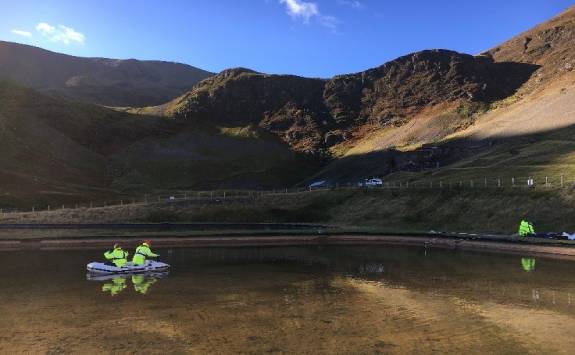
The Force Crag mine water treatment system was the UK’s first fully passive large-scale treatment scheme. It removes pollutant metals from mine drainage.
Passive treatment schemes do not use energy or chemicals.
Force Crag Mine is an open access area in one of the UK’s most popular National Parks. It has Scheduled Monument and Site of Special Scientific Interest (SSSI) status. It was a major source of pollution to local waterways. To treat the metal rich mine water, we constructed a full-scale passive mine water remediation scheme.
We carried out the process design of the system following lab- and pilot-scale trials. The project developed understanding of the exact nature of biogeochemical reactions. We investigated how hydraulic factors and changing environmental conditions influence those processes. We identified the best operating conditions for the maximum removal of metals from mine drainage.
Our research will inform the design of future treatment systems.
- Academic staff
- Dr Adam Jarvis (School of Engineering)
- Dr Neil Gray (School of Natural and Environmental Sciences)
- Researchers
- Contact
- Sponsors
- Coal Authority
- Partners
- Environmental Agency, National Trust
- Dates
- 2015-2020
Potassium: closing the loop
Potassium is a widely used fertiliser in agriculture. Global shortages will affect future food production across the world. To meet an ever-increasing demand, we need to manage global potassium production sustainably.
More than 90% of mined potash goes into fertiliser production.
We investigated potassium and other non-renewable resources for food production in the UK. We looked at the life of these resources from extraction to transport and use. Our research shows a need for more effective monitoring of mineral supply chains for agriculture. Cities are responsible for the majority of global consumption. Thus, this is especially true in providing sustainable food sources for cities.
- Principal investigator
- Academic staff
- Researchers
- Dates
- February 2017 to March 2018
ToOLTuBES: Toxicity and Organic Load Tracking using BioElectrochemical Systems
The ToOLTuBES project developed a real-time water quality biosensor.
BES (BioElectrochemical Systems) technology incorporates an electrode-supported microbial biofilm. It generates electricity from oxidation of organics. It has great potential for low-cost, real-time sensing applications.
The magnitude of the electrical current generated correlates with the organic loading. Toxic compounds inhibit the signal. The sensor monitors organic load and toxicity levels in real-time on wastewater influent samples. We used samples from a real-world wastewater treatment plant (WWTP). We collected long-term monitoring data over two years. We used the data to inform design and cohesion of a combined sensor package. This will propel the technology towards commercial realisation.
- Academic staff
- Prof Ian Head (School of Natural and Environmental Sciences)
- Prof Keith Scott (School of Engineering)
- Dr Eileen Yu (School of Engineering)
- Prof Tom Curtis (School of Engineering)
- Researchers
- Dr Martin Spurr (School of Natural and Environmental Sciences)
- Contact
- Sponsors
- Partners
- University of South Wales
- Dates
- 2017-2020
Teaching
From day one, our Civil Engineering Undergraduate Programmes give students a path to become a professional engineer addressing major global challenges.
Our Civil Engineering Postgraduate Taught (MSc) Programmes equip students with the advanced skills and expertise to help shape the world.
PhD opportunities
Various funded PhD studentships related to our research are available. Funding from the Engineering and Physical Sciences Research Council (EPSRC) and the Natural Environmental Research Council (NERC) allows us to offer a variety of opportunities.
You can also study with us via a UKRI-funded Centre for Doctoral Training (CDT), Doctoral Training Partnership (DTP) or Industrial Doctorate Centre (IDC):
Please see our PhD Opportunities page for a list of currently available projects and opportunities in the School of Engineering.
Impact
We teach talented students to the highest standards through our MSc, MEng, PhD and EngD programmes. We educate the next generation of environmental researchers, policy-makers and professionals.
We work in partnership with the Water Group, especially through the Global Challenges Research Fund (GCRF) Water Hub. In collaboration with academics, government, industry and communities throughout the world, we are:
- transforming practice in the provision of clean air, land and water
- improving the environment and quality of life
- helping to deliver the United Nations Sustainable Development Goals
Collaboration and partnership
We work collaboratively with many partners in our education and research programmes. This ensures our students are ready to work in the environmental sector, and to maximise the impact of our research.
We work with a range of partners in Newcastle, the UK, and internationally, including:
- national and multi-national corporations and SMEs (small and medium enterprises)
- public sector bodies
- civil society
- professional institutions
- voluntary organisations
- schools and colleges
- policymakers