Geotechnical and Structural Engineering
We engineer safer, smarter and more sustainable infrastructure for a changing world. Our research delivers solutions that protect communities and transform industry.
Introduction
The Geotechnical and Structural Engineering (GEST) Group sits at the heart of civil engineering research at Newcastle University. We focus on the science and engineering of materials, structures, and ground systems. We address challenges that shape the resilience and sustainability of our built environment.
Our research underpins:
- sustainable and resilient development
- advances the Net Zero transition through geo‑energy and low‑carbon construction
- contributes to human health via safer infrastructure and smart sensing
We lead innovation in data, digitalisation and AI for construction and the built environment. We explore green manufacturing and sustainable industry practices through research, collaboration, and innovation. By integrating advanced technologies, we drive productivity, resilience, and environmental performance across the sector.
As founding members of UKCRIC and hosts of the National Green Infrastructure Facility, we combine advanced modelling, multi‑scale testing, and real‑world trials. These efforts deliver meaningful impact for communities, industry, and policy worldwide.
Our research
We tackle engineering challenges that support safe, sustainable, and resilient infrastructure in a changing world. Our expertise spans geotechnical and structural engineering, digital construction, and materials innovation. We combine advanced modelling, laboratory and field testing, and strong industry partnerships.
Our research addresses critical global priorities:
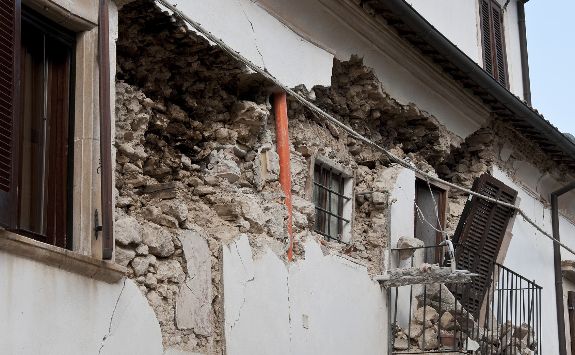
- Protecting communities from hazards such as earthquakes, landslides, and flooding. We use real event data and advanced simulations to improve design standards and risk management.
- Enabling the Net Zero transition through geo‑energy systems. This includes offshore wind and geothermal energy, carbon capture and storage, to circular construction practices including timber reuse and low‑carbon materials.
- Driving sector-wide digital transformation in construction with Digital Twins for assets and cities, AI-enabled decision support, blockchain for supply chain transparency, immersive technologies for design and collaboration, and data-centric lifecycle management to boost interoperability and automation.
Beyond technical innovation, we also explore concepts and policies, shaping strategies and frameworks to guide adoption and measure impact. Our work ranges from particle morphology to city‑scale resilience. It's supported by world‑class facilities like the National Green Infrastructure Facility and collaborations with leading universities, industry, and policy bodies.
Our approach ensures that research outcomes become practical tools, standards, and innovations that shape the future of infrastructure.
Research themes
Our group tackles real-world problems across the School of Engineering’s priority themes. We use advanced numerical simulation, material characterisation, multi-scale testing, and evidence from field investigations. Many projects cut across themes, bringing together digital tools, experimental facilities, and industry/policy partners. This ensures high-quality inputs at material and micro scales translate into robust, impactful decisions at asset and network scales.
Sustainable and Resilient Development
We study how natural and anthropogenic hazards affect the built environment and provide the evidence base for action. From post‑event reconnaissance and slope/earthworks deterioration studies to green infrastructure and SuDS trials, we quantify consequences and calibrate models with real data. We also generate probabilistic risk information to guide standards, design practice and contingency planning. Our work spans:
- transport and energy networks
- flood risk, and the performance of linear infrastructure
- levees, embankments and foundations under a changing climate
Net Zero
We enable the transition to low‑carbon systems through geo‑energy and integrated urban solutions. Research includes:
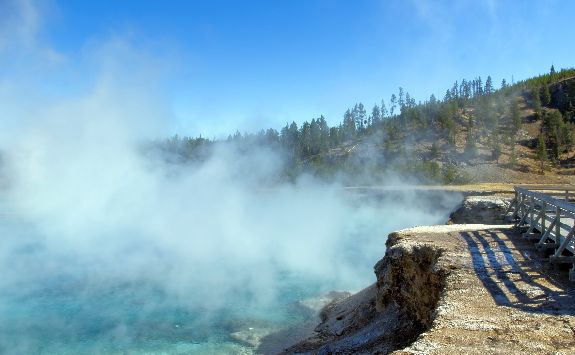
- closed‑loop urban geothermal (e.g., city‑scale feasibility)
- energy‑SuDS demonstrators that couple drainage with heat exchange
- safe carbon storage via cap‑rock integrity and pressure evolution modelling
- offshore wind power through geotechnical modelling of anchor and foundation designs
In construction, we advance circularity and timber reuse, develop vibration‑mitigating devices to expand multi‑storey timber, and optimise supply chains to cut embedded and transport emissions. Materials and particle‑scale work supports next‑generation energy storage and greener infrastructure choices.
Green Manufacturing and Industry
We translate research into cleaner processes and products. This includes designing and delivering infrastructure and materials to reduce carbon, waste and energy use across the full lifecycle from sourcing and production to operation and reuse.
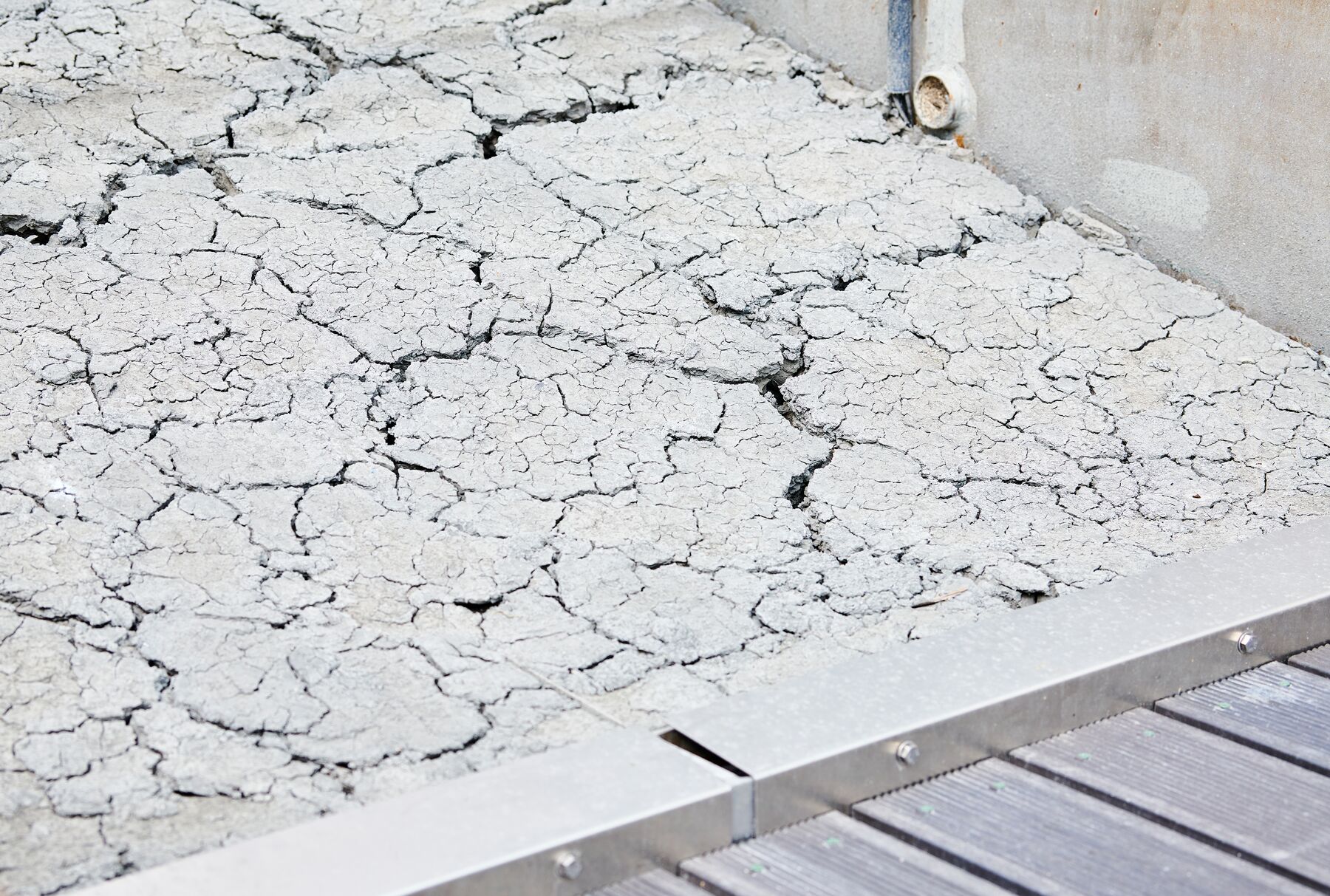
- Electrokinetic dewatering cuts energy demand and waste in materials handling. It was pioneered by the GEST Group.
- Testing alternative materials (from SuDS soils to rail sanding media) supports circular use.
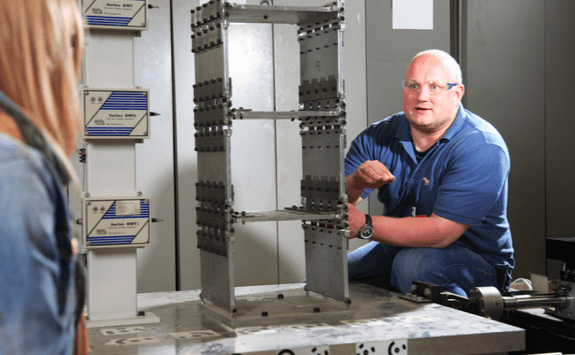
- Timber research enhances sustainability through circular design, digital supply-chain optimisation, and smart damping in lightweight floors.
- Off‑site delivery and digital construction reduce on‑site waste.
- CPD and industry partnerships help embed good practice across the sector.
We also explore blockchain to improve transparency and traceability in low-carbon supply chains. This also includes immersive technologies to support training and collaboration in sustainable construction practices.
Human Health
We address health and wellbeing through the performance and safety of infrastructure and buildings. Projects include:
- fall detection via floor‑vibration sensing for early alerts in homes and care settings
- rail sanding safety (sensing and decision support) to reduce accidents
- the development of safer substitute materials to mitigate respiratory hazards
- timber floor comfort is enhanced through cost‑effective dampers. Post‑disaster studies (e.g. EEFIT) and scenario analyses feed into codes and recovery guidance. This improves community outcomes after earthquakes, storms and landslides.
Data, Digitisation and AI
Our digital work spans enterprise‑level digital twins, sensor fusion/IoT, and AI/ML decision support. We build tools such as PRISM for rail sanding optimisation, ALDI for landslide detection, and ACHIMULATOR for earthwork deterioration. AI and digital technologies enhance productivity and sustainability across the entire project lifecycle. We also run data‑centric engineering for particle morphology, materials, and structural performance.
We address sector-wide challenges such as:
- low productivity
- slow innovation
- siloed data
- regulatory pressures through interdisciplinary research in digital twins, BIM, blockchain, foundation models, and XR
Across scales, from molecules to mountain ranges, we link live data with models for faster, evidence‑rich decisions in design, operations and asset management.
Our work also includes policy-oriented studies and performance assessment to guide digital transformation in the built environment. Uncertainty quantification is a core part of our approach. It ensures robust insights across infrastructure, geotechnics, and environmental systems.
Infrastructure Slopes and Climate Adaptation (Achilles)
Aim: To improve slope safety and long-life, long-linear asset performance under changing climate conditions: We are developing geophysical diagnostics, drainage designs, and constitutive models that capture deterioration under wetting–drying cycles. The project informs infrastructure resilience strategies and provides practical tools and guidance for asset managers.
Partners and Funders: EPSRC, BGS, Network Rail, Loughborough, Durham, Southampton, Bath, Leeds.
Link: Achilles
Sand Discharge Monitoring and Decision Support
Aim: To prevent sanding system failures that can lead to rail accidents, we have developed a sensor to detect sand flow and a machine learning model to predict performance. The system enables real-time monitoring and smarter sanding strategies under varying conditions.
Partners and Funders: Innovate UK, Impact Accelerator Account, EPSRC.
Revising the GMRT 2461 Rail Sanding Standard
Aim: To improve safety and performance in rail adhesion by updating a key UK industry standard, we are conducting stakeholder interviews, technical analysis, and feedback loops with operators and regulators. This work has informed a new revision of GMRT 2461, integrating both technical and practical insights.
Partners and Funders: Rail Safety and Standards Board, Impact Accelerator Account, EPSRC.
Particle Packing for Energy Storage
Aim: To improve battery performance through better material design, we simulate particle packing density and morphology for battery materials. This supports optimisation of next-generation energy storage systems.
Partners and Funders: The Northern Net Zero Accelerator, Ocular Systems Ltd.
Fast 3D Particle Morphology for Engineering and Biology
Aim: To accelerate particle analysis for both industrial and biological applications, we use high-speed imaging and classification with high-performance computing. The project has significantly improved throughput and resolution for particle characterisation.
Partners and Funders: EPSRC, Royal Society, Faculty of Medical Sciences.
Energy-SuDS: Sustainable Drainage Systems for decarbonising heating and cooling
Aim: To decarbonise heating and cooling in urban environments, we integrate ground heat exchangers into SuDS and validate performance through COMSOL modelling and field trials. The project aims to demonstrate dual-function infrastructure for climate resilience.
Partners and Funders: Mitsubishi Electric, WIRE CDT, PhD-led (Letícia Niedvieski).
Roadside Bioretention for Pollutant Capture
Aim: To reduce urban water pollution from roads, we are conducting field monitoring and dosing trials in rain gardens. The project evaluates pollutant removal efficiency for metals, hydrocarbons, and salts.
Partners and Funders: HR Wallingford, WIRE CDT, PhD-led (Lubabah Hossain).
Trees as Urban Water Pumps: Peri-urban strategies for sustainable surface water management
Aim: To understand the hydrological role of urban trees, we monitor sap flow and conduct interception trials. The study quantifies tree contributions to urban water balance.
Partners and Funders: Blue-Green Newcastle (Newcastle City Council, Northumbrian Water, Environment Agency), WIRE CDT, PhD-led (Madeleine Tate).
Resilient Green Infrastructure under Climate Stress
Aim: To improve green infrastructure performance under drought and flood conditions, we are running field trials and comparing planting schemes internationally. The project identifies robust Green Infrastructure strategies for climate adaptation.
Partners and Funders: Northumbrian Water, WIRE CDT, Villanova University, PhD-led (Alethea Goddard).
CACTUS: Near-Surface Engineering for Flood Resilience
Aim: To protect buried and pavement infrastructure from surface water flooding, we are testing engineering solutions using rainfall simulation and lysimeter trials. The project evaluates vegetated capillary barrier protection strategies.
Partners and Funders: EPSRC, Durham, Queens Belfast, Cardiff, Dundee and Imperial College London.
Link: CACTUS
Urban hydrogeological modelling and uncertainty characterisation to evaluate the risk of groundwater flooding
Aim: To better understand uncertainty in urban groundwater flood modelling, groundwater–surface water dynamics in Newcastle have been modelled to tackle the influence of geological and groundwater data scarcity.
Partners and Funders: WIRe CDT, PhD-led (Charalampos Ntigkakis).
Groundwater Flood Hazard Mapping in Northern Ireland
Aim: To map national-scale groundwater flood risks, we are developing hazard models and integrating spatial data. The work will support planning and resilience strategies in Northern Ireland.
Partners and Funders: BGS UK, Flood CDT, PhD-led (Johnathan Hatton).
Peatland Hydrology and Natural Flood Management
Aim: To enhance flood resilience in upland peatlands, we use lysimeter and flume testing to compare vegetated and bare peat surfaces. The research shows how vegetation affects runoff and evaporation.
Partners and Funders: Northumberland National Park, Environment Agency, PhD-led (Shannon Schofield).
Designing Moorland Gully Blocks for Flood Management
Aim: To enhance natural flood management in upland peatlands, we perform large-scale flume experiments to test alternative gully block designs at near full scale. Findings will identify designs that better attenuate peak flows which could be deployed across thousands of existing blocks to reduce downstream flood risk.
Partners and Funders: NERC, Environment Agency, PhD-led (Sarah Drummond).
Cascading Hazards in the Indian Himalayas
Aim: To predict cascading hazards in mountainous landscapes, we use remote sensing and modelling to examine the formation and mobilisation of large sediment accumulations “sediment bombs”. Findings will inform Himalayan hazard prediction and disaster response.
Partners and Funders: NERC (UK), Ministry of Earth Sciences (India); collaborators include IIT Kanpur and multiple UK universities.
Offsite Construction and Vertical Integration
Aim: To validate the business model of vertically integrated offsite construction, we are conducting a mixed-methods study of Merit’s design–build–install approach. The research highlights benefits and risks of integrated delivery.
Partners and Funders: Merit (industry partner), PhD-led.
Enterprise Digital Twins for Strategic Decision-Making
Aim: To bridge the gap between digital tools and strategic outcomes, we combine business intelligence with digital twin frameworks. The project proposes an enterprise-level twin to support decision-making.
Partners and Funders: Nigerian Petroleum Trust.
Link: Enterprise Digital Twins for Strategic Decision-Making
Digitalisation and Business Model Change as Catalysts for Productivity in Industrialised Construction
Aim: To help managers understand the “why” behind site delays or incidents, we are exploring how large language models can integrate with digital twins to surface causal insights. The project aims to create explainable, human-centric construction analytics.
Partners and Funders: Conceptual development; PhD-led (Tony Wells).
Aquila – AI-Powered Digital Twin for Sustainable Construction
Aim: To develop an AI-driven Digital Twin platform. It will enhance productivity, safety, and sustainability on construction sites. The platform uses real-time data integration, predictive analytics, and 4D visualisation. These features help reduce costs, delays, and carbon emissions. It aligns with the UK’s industrial decarbonisation and infrastructure performance goals.
Partners and Funders: Okana, xBIM, Grayfox; Northumbria University, Innovate UK.
Link: Aquila – AI-Powered Digital Twin for Sustainable Construction
Optimalmine
Aim: slope optimal design for a paradigm shift in mining efficiency, environmental friendliness and resilience.
Partners and Funders: Horizon Europe, 12 international Universities and research institutes, several mining companies.
Link: Optimalmine
Reuse and Recycling of Timber Materials
Aim: To improve the reuse and recycling of end-of-life timber elements. We are conducting experimental testing to understand timber aging and integrating this data into predictive models for recycling rates. The project aims to enhance design-for-disassembly practices and improve sustainability in timber construction.
Partners and Funders: Teesside University; PhD-led (Yaxuan Yi).
Optimising the Timber Supply Chain in China.
Aim: To reduce carbon emissions from timber transport in China, we are using surveys and AI-based data processing to explore local sourcing and optimise foreign imports. The project supports more sustainable supply chain strategies for timber construction.
Partners and Funders: PhD-led (Zhenhong Zhao).
Development of a Damper to Reduce Timber Floor Vibration
Aim: To improve comfort and promote wider use of timber in multi-storey buildings, we are developing a cost-effective damper through a combination of experimental testing and simulation. The project targets significant cost reductions in vibration control systems.
Partners and Funders: Qingdao University of Technology; PhD-led (Yifei Li).
Link: Development of a Damper to Reduce Timber Floor Vibration
Human Fall Detection Using Floor Vibration.
Aim: To reduce injury-related costs in healthcare, we are developing a floor-based vibration sensing system to detect human falls in real time. The system aims to provide early alerts for fall incidents, with potential applications in assisted living.
Partners and Funders: BeanAir Sensors.
VBioSlim: Vibration Behaviour of Bio-Based Panelised Slim Floor Systems
Aim: To improve vibration performance in lightweight floor systems, we are investigating the dynamic behaviour of bio-based panelised slim floor systems. The project aims to inform design strategies for sustainable, low-carbon construction using bio-composites.
Partners and Funders: Royal Society.
Unlocking Physical and Mechanical Properties of Japanese Knotweed for Bio-Composite Applications
Aim: To explore the potential of invasive species in sustainable construction, we are characterising the mechanical properties of Japanese knotweed for use in bio-composites. The project supports circular economy approaches by repurposing problematic biomass.
Partners and Funders: IStructE.
Anchors for Offshore Wind Turbines
Aim: To support the deployment of floating offshore wind turbines, we are developing new analysis approaches for shared anchors under wind, wave and seismic and loading. This is in collaboration with marine engineers and industry. The project improves understanding of soil–anchor interaction under complex loading.
Partners and Funders: RYDER, Newcastle University marine team, PhD-led (James Barron).
Particle Finite Element Modelling for Cone Penetration Testing (CPT)
Aim: To improve modelling of large deformations in geotechnical testing, we are applying the Particle Finite Element Method (PFEM) to simulate CPT in London Clay. The project enhances predictive capability for soil behaviour during penetration.
Partners and Funders: UPC, PhD-led.
Link: Particle Finite Element Modelling for Cone Penetration Testing (CPT)
Caprock Integrity for Carbon Storage
Aim: To assess the risk of CO₂ leakage during geological storage, we are modelling pore pressure evolution and mechanical behaviour in cap rocks under injection conditions. The project supports safer carbon capture and storage strategies.
Partners and Funders: Caprocks 4 CCS GEOPOP 4; Durham University, Petrobras, BP.
SHAPE UK: Hydraulic Fracturing and Induced Seismicity
Aim: To evaluate the environmental risks of hydraulic fracturing, we are investigated leakage pathways and seismicity potential in collaboration with national partners. A comprehensive report on induced seismicity has informed Government policy and regulatory discussions.
Partners and Funders: NERC, BGS, Bristol, Leeds, Oxford, Liverpool, Durham.
Link: SHAPE UK
Net Zero GeorDIE: Urban Geothermal Energy Feasibility.
Aim: To explore low-carbon heating and cooling solutions, we modelled a closed-loop geothermal system at the Newcastle Helix site. We assessed its viability for integration into district networks. The project informed Newcastle City Council’s energy strategy.
Partners and Funders: EPSRC, Newcastle City Council, University of Glasgow.
Link: Net Zero GeorDIE
ISPF Co-Centres Ireland: Climate+ Biodiversity and Water
Aim: To address climate and biodiversity challenges across Ireland, we are contributing to a multi-institutional project focused on resilience and environmental systems. Newcastle’s role includes research on climate impacts and infrastructure adaptation.
Partners and Funders: International Science Partnerships Fund (ISPF).
Link: ISPF Co-Centres Ireland: Climate+ Biodiversity and Water
CS-NOW: Climate Risks to Energy Networks
Aim: To assess future climate risks to UK energy infrastructure, we are contributing to modelling and reporting on vulnerabilities and resilience strategies. The final report supports national planning for energy network adaptation.
Partners and Funders: UKRI, Tyndall Centre, UCL, Ricardo; for DESNZ.
Link: CS-NOW
Ofgem Expert Panel on Climate Resilience
Aim: To support regulatory oversight of climate adaptation in energy systems: We are serving on Ofgem’s expert panel for climate resilience advising on risk, preparedness and response for UK energy networks. Contributions inform national policy and regulatory frameworks.
Partners and Funders: Ofgem.
EEFIT: Earthquake Engineering Field Investigation Team
Aim: To improve post-earthquake recovery and inform building codes: We participate in EEFIT missions that assess structural performance and publish findings for policy and engineering communities. Reports influence recovery strategies and code revisions.
Partners and Funders: EEFIT network.
Link: EEFIT
Impact
Commercialisation and Products
- Aquila: Innovate UK–funded research translated into a market‑ready construction analytics product.
- Ocular Systems (spin‑out): Commercialised 3D particle metrology for powders, now applied in pharma, energy storage and materials engineering.
- Transforming the global construction sector through Building Information Modelling: Online performance‑assessment tools (e.g., Greenwood Construction Site) adopted internationally.
- Electrokinetics: Legacy research led to a spin‑out (EKG), now part of RSK Group.
- GMD-Topmodel: a new version of the rainfall-runoff model uses variable time-step and variable-order solvers for faster, more accurate predictions. Released as open-source software on GitHub.
- ACHIMULATOR: An emulator for ACHILLES models capturing earthwork deterioration, developed for time to failure prediction in high-plasticity clay cut slopes. Available as a Shineyapp with User Guide.
Policy and Public‑Service Outcomes
- SHAPE-UK project contributed to a report on induced seismicity risks influencing regulators and industry.
- Net Zero GeorDIE: Geothermal feasibility study for Newcastle City Council supporting local decarbonisation.
- Ofgem Expert Panel: Advising UK energy‑network climate resilience (e.g. through written evidence to parliament); active in ENA working group.
- CS‑NOW: National climate‑risk assessment for energy infrastructure informing DESNZ policy (e.g. reports of Oct24 and Apr24).
- EEFIT missions: Post‑earthquake investigations (e.g. Myanmar) informing recovery and code updates.
- Carbon storage safety: Research on caprock integrity guiding CCS practice with Petrobras and BP.
- Parliamentary advisory: Report titled “Does the UK need EU funding to remain a world leader in scientific research and innovation?” informed the House of Commons Science & Technology Committee.
Standards and Professional Practice
- Rail sanding standard (GMRT 2461): Evidence‑based revision of a critical UK rail safety standard. [SN]
- Achilles guidance: Eight Reading Guides on soil and earthwork deterioration and asset management; Newcastle led key topics.
- CIRIA & ICE roles: Steering group contributions, CIRIA Environment and Water Advisory Panel Members and ICE Blue‑Green Infrastructure Manual authorship.
- Eurocode 7: Contributed expertise within a standards committee (2018–2020), supporting technical discourse informing code development.
- Industry upskilling: Annual Asphalt Course with Mineral Products Association and Institute of Highway Engineers for local authorities and contractors.
Technology Demonstrators and Trials
- PRISM & sanding sensor: Real‑time monitoring and ML‑based decision support to prevent blocked sanders. [SN]
- ALDI landslide detection: A Google Earth Engine app for fast free landslide detection from optical satellite data, based on published research.
- NGIF trials: Field‑scale monitoring and testing nature-based solutions to the challenge of excess surface water. This includes co-benefits such as carbon capture, energy recovery and pollutant bioremediation. The unique facility also supports development of novel monitoring technologies and strategies.
- Deterioration models: Modelling outputs from EPSRC ACHILLES adopted by consultancies and National Highways to inform asset management of earthworks affected by climate change.
Sector Transformation
- Enterprise digital twins: Framework capturing the journey from distributed construction sites’ data towards strategic business intelligence decisions, now developed with input from industry.
- Off‑site delivery: Research with vertically integrated contractors (e.g., Merit) shaping industrialised construction adoption.
- Safer sanding materials: Trials of amorphous cellulose and recycled particles improving rail safety and health.
Media and Outreach
- Field testing of conductive sand featured in Rail Engineer and our research brief on Particle Behaviour in the Wheel Rail Interface in the RSSB’s SPARK the Rail Knowledge Hub.
- The Launch of Ocular Systems spin-out featured in Newcastle Magazine, Business Live, and The Northern Echo.
- Articles publicising the outcomes of the ACHILLES Programme, including revolutionary approaches to condition assessment of earthwork assets, in Ground Engineering magazine and in ASCE GEOSTRATA.
- Articles in American Society of Civil Engineers Magazine, EurekAlert, and Phys.org prompted by our work on seismic acceleration of landslides which provided new insight on landslide mechanisms, significant for long-term risk assessment.
PhD Opportunities
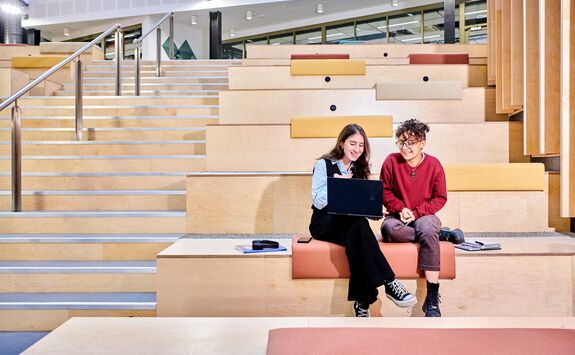
We actively seek and recruit high quality research students. Several funded PhD studentships are available for Home and EU prospective students. The University also offers scholarships for the very best international students.
We welcome applications from motivated candidates who want to work on cutting‑edge research in:
- geotechnical engineering
- digital construction
- materials and sustainability
- infrastructure resilience
Our supervisors offer projects aligned with major global challenges and strong industry and policy links. Take a look at our current PhD candidates, our staff research interests and our projects advertised at findaphd.com to see the opportunities available.
Funding is available through Centres for Doctoral Training (WIRe CDT – Water Infrastructure and Resilience and FLOOD CDT – Resilient Flood Futures); and Doctoral Training Partnerships (IAPETUS 2); EPSRC Doctoral Landscape Awards; and industry‑sponsored projects.
Current and Indicative Topics
- Digital Construction & AI – Enterprise digital twins, cognitive layers for construction sites, and decision‑support systems. (Contact: Prof Mohamad Kassem)
- Industrialised/Off‑site Delivery – Business models and digital integration for modular construction. (Contact: Prof Mohamad Kassem)
- Geotechnical Modelling & Uncertainty Quantification – Climate change impacts on transport infrastructure, and performance-based design of geotechnical systems. (Contact: Prof Mohamed Rouainia)
- Geo‑Energy & Carbon Storage – Caprock integrity, CO₂ injection modelling, energy storage, and geothermal energy systems. (Contact: Prof Mohamed Rouainia)
- Earthwork Infrastructure Resilience – Soil deterioration, slope safety, and climate adaptation strategies. (Contact: Dr Ross Stirling)
- Green Infrastructure & Water Management – Sustainable Drainage System performance/processes, pollutant capture, and urban flood resilience, including monitoring and measurement. (Contact: Dr Ross Stirling)
- Decentralised Active Damping for Lightweight Timber Floors – Development of modular actuator–sensor networks for multi-mode vibration suppression and adaptive control in cross-laminated timber floors. (Contact: Dr Haoyou Huang)
- AI-Powered Human Activity Recognition Using Floor Vibration – Application of floor vibration sensing and machine learning to identify falls and other risk-related human activities in buildings. (Contact: Dr Haoyou Huang)
- Mass timber floor vibrations: vibration testing on mass timber floors onsite and numerical modelling of tested floors (Contact: Dr Sigong Zhang)
- Human response to vibration and noise: evaluate human response under indoor environmental stimuli (Contact: Dr Sigong Zhang)
- Rail Safety & Materials Innovation – Sanding systems, alternative materials, and predictive modelling for rail adhesion. (Contact: Dr Sadegh Nadimi)
- Particle Technology & Energy Storage – Particle morphology, packing simulation, and advanced battery materials. (Contact: Dr Sadegh Nadimi)
- Engineering Geology & Electrokinetics – Ground improvement, legacy mining hazards, and electrokinetic geosynthetics. (Contact: Dr Jean Hall)
- Landslide Detection & Prediction – Optical and radar-based landslide detection, mechanistic and statistical landslide modelling, and runout estimation for hazard response. (Contact: Dr David Milledge)
- Natural Flood Management – Hydrological modelling of storm discharges, peatland restoration impacts, and optimisation of restoration interventions for flood attenuation. (Contact: Dr David Milledge)
- Metalliferous open pit mining for the energy transition – Slope design, automation of the design workflow, integration of geotechnics and mining, advanced numerical modelling. (Contact: Prof Stefano Utili)
- Geotechnical engineering and AI – Machine Learning applied to geotechnical design optimisation use of Machine Learning models for material characterisation. (Contact: Prof Stefano Utili)
- Infrastructure Resilience & Climate Risk – Decision modelling for energy networks, climate adaptation strategies, and resilience planning for severe weather events. (Contact: Prof Sean Wilkinson)
- Material & Building Systems Modelling – Full-scale testing of structural systems, seismic performance evaluation, and hazard-informed design. (Contact: Prof Sean Wilkinson)
- Concrete under Elevated Temperatures – Experimental testing and numerical modelling for applications in fire and nuclear power plant structures. (Contact: Dr Colin Davie)
- Flow and conductivity in porous (geo)materials - engineered barrier systems, radioactive waste disposal, geotechnical infrastructure, novel building materials. (Contact: Dr Colin Davie)
Teaching
Our Civil Engineering Undergraduate Programmes give students a path to become a professional engineer. They address major global challenges in infrastructure, sustainability, and resilience.
Our Civil Engineering Postgraduate Taught (MSc) Programmes equip students with the advanced skills and expertise to help shape the world.
- Civil Engineering – Advanced civil engineering knowledge with a focus on sustainability, resilience, and digitalisation.
- Engineering Management – Combines engineering with leadership, business, and strategic management skills. Prepares graduates to lead complex projects, manage change, and drive innovation in fast‑evolving industries.
- Hydroloy and Water Management – Expertise in water resources, flood risk, and climate resilience.
- Environmental Engineering – Sustainable solutions for environmental protection and resource management.
- Transport Engineering, Planning and Management – Advanced skills in transport systems, planning, and sustainable mobility.
- Geospatial Artificial Intelligence MSc - modern geospatial engineering with contemporary AI, big data science, and digital technologies
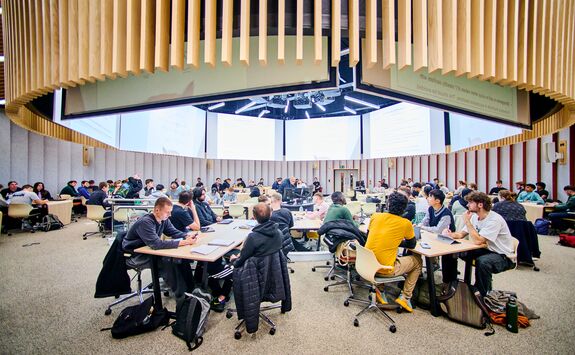
In addition, we offer Continuing Professional Development (CPD) courses:
- Annual Asphalt Materials and Pavements Course – Delivered with the Mineral Products Association, covering asphalt technology for local authorities, contractors, and industry professionals.
- Bespoke CPD Offerings – Customised training in geotechnical engineering, green infrastructure, and digital construction available on request.
Current PhD students
- Iwinosa Aghedo
- Gosai Mahmoud S Alyamani
- Traad Mohammed S Alzhrani
- Abdulmalik Badamasi
- James Barron
- Sarah Drummond
- Ruijie Fan
- Lubabah Hossain
- Jiaqi Li
- Shu Li
- Yifei Li
- Zeynab (Rosa) Maleki
- Elena Mugarza
- Leticia Niedvieski
- Natalia Pynirtzi
- Shannon Schofield
- Wahib Saif
- Haoxi Wei
- Tony Wells
- Yaxuan Yi
- Zhenhong Zhao