
Building Professional Networks in Medical School
Professional networking is an important skill to develop, especially when you are in medical school. Read on to see why this is necessary and find some inspiration on how to get started. It is never too early to begin. You’ve got this!
22 December 2025
While academic excellence and clinical proficiency are essential in medical school, one aspect that often gets overlooked is the importance of fostering strong connections. Building bridges with healthcare professionals, potential mentors, or alumni can really help to shape your future. Importantly, networking is not just about expanding your career prospects; it can also help to improve the quality of healthcare by fostering collaboration and knowledge sharing.
Why Building a Network is Crucial
Medicine can be a competitive field, and building connections early on can give students the insights, experience and advice they need to really stand out.
Explore Career Choices
One of the best reasons for getting started with building your network early on is the doors that it can open when you are looking for your first job. Practising doctors know the ins and outs of the field, making it more likely for you to get the inside scoop on job opportunities, in-demand specialties, fellowships, or even research opportunities. Plus, you get first-hand insights into what different specialties are really like from the people who are actually working in them.
_1.jpg)
Access Experienced Guidance
Perhaps one of the most valuable outcomes of networking is mentorship. Medicine is a challenging field, and having a mentor who has been through it all can make a big difference. They can help you identify your strengths and weaknesses, provide tips and insights, help you through difficult situations, guide you along your career path, and even write you a letter of recommendation.
Level Up Your Skills
When you build ties with peers, academics, and industry professionals, you will find more opportunities for research collaborations, internships, and real-world experience. These can enhance your competencies, including clinical, critical thinking, and teamwork abilities, as well as increase your exposure to medical advancements, which can set you up for success when you transition into hospital practice later.
Exchange Knowledge and Ideas
As the saying goes, two heads are better than one. By engaging with peers, mentors, and professionals, you gain fresh perspectives on treatment approaches, innovative research, and emerging technologies. These can spark new ideas that enhance your clinical practice and deepen your understanding of patient care. Furthermore, collaborating with others often leads to practical insights that you can apply in real-world settings, ultimately benefiting your future patients' outcomes.
Get Emotional Support
We all know that the rigours and demands of medical school can take a toll on one’s mental and emotional well-being. A good network, encompassing classmates, seniors, alumni, and even active healthcare professionals, can offer “been there, done that” advice and guidance, providing a support system that helps alleviate some of this.
Practical Ways to Build Your Network
Not sure where to begin? Here are some strategies to help you get started.
Engage with Professors and Consultant Physicians
Take advantage of the easy access you have to your professors and consultant physicians. Don’t just ask questions during lectures. Attend office hours, chat with them after class, or ask if you can assist with research projects. They are often looking for motivated students who are eager to learn and contribute, and these interactions can lead to valuable mentorship opportunities. Even casual conversations can turn into relationships that pay off down the road.
Get Involved in Related Clubs and Societies
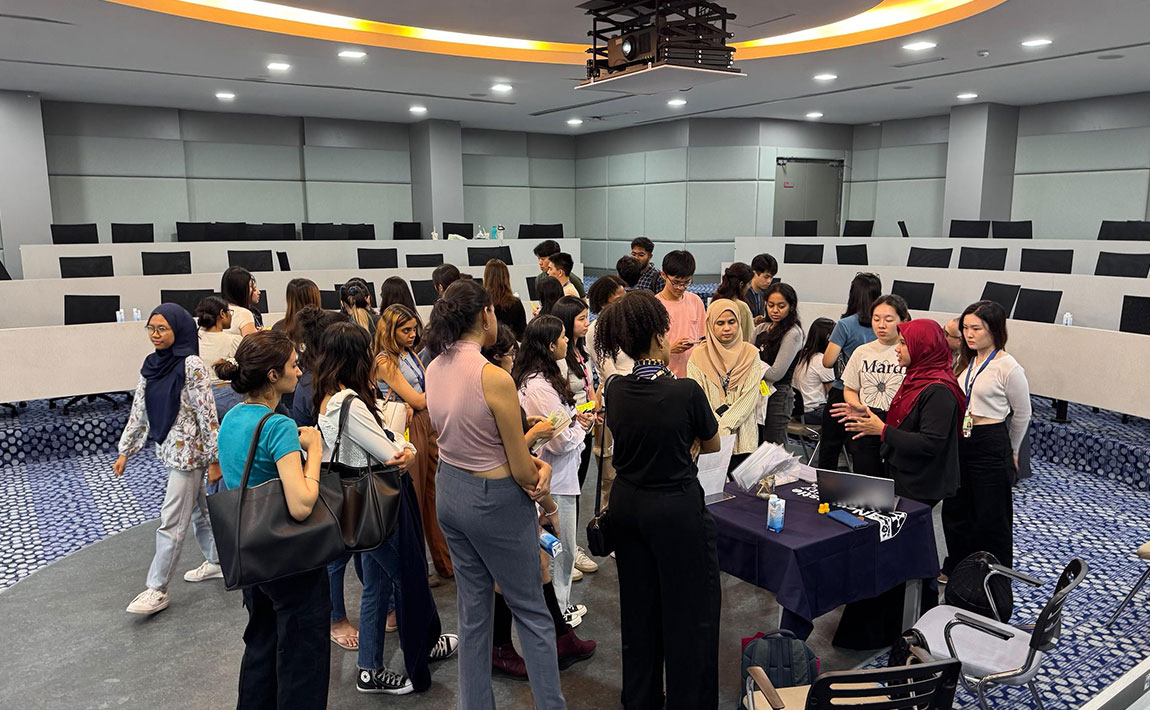
NUMed is brimming with clubs and societies related to medicine. They often host events like guest lectures, industry talks, and workshops featuring professionals in the field, as well as networking sessions where you can meet faculty and practicing doctors. This gives you the chance to not only forge relationships with like-minded peers but also pursue connections with various healthcare professionals, making it easier to learn more about the career paths available to you.
Find Volunteer Opportunities
Many clinics, hospitals, and NGOs are often looking for volunteers. Be proactive in seeking them out. Volunteering in these environments gives you a chance to meet professionals at work and learn the inner workings of patient care. Even at NUMed, there are numerous community outreach programmes that need volunteers, so be sure to keep an eye out for those opportunities, too!
Take Advantage of Clinical Placements
NUMed offers a wealth of on-the-ground clinical experience throughout your MBBS programme such as clinical placements in government hospitals and community clinics; Advanced Clinical Experience, where you get to be part of the medical journey of a panel of patients; or an 8-week elective, which you can choose to undertake in any part of the world. These experiences are your opportunity to interact directly with attending physicians and other medical staff.
Check Out Medical Conferences and Career Fairs
Put your feelers out beyond campus walls. Career fairs can be an excellent avenue to explore various medical fields. What’s more, many conferences offer discounted student rates and are a great way to network with doctors, researchers, and other students in your field of interest. Of course, you will also get to learn about the latest advancements in medicine.
Harness Online Platforms
Platforms like LinkedIn, Twitter, Instagram, and Facebook have medical communities that allow you to follow experts, stay updated on the latest medical trends, and engage in discussions. You can also showcase any work that you are doing. Just remember to be professional and make sure that your content aligns with your career goals.
Keep in mind that networking is an ongoing process. Do make sure that you stay in touch after building the bridges. Go ahead and get started right away. The sooner you do that, the greater the momentum you will build.