Emiliano Panciera
Emiliano Panciera's PhD project title is, 'Aristocratic Networks and Pythagoreanism: Roman Foreign Policy, Cultural Interactions, Family Agendas'
8 May 2026

Project Description
This project presents a comprehensive revision of the scientific discourse surrounding the diffusion and impact of Pythagorean philosophy in 4th century BCE Italy and Rome. By subjecting the primary sources to rigorous critical scrutiny, this research seeks to dismantle these traditional paradigms and offer a more nuanced historical reconstruction.
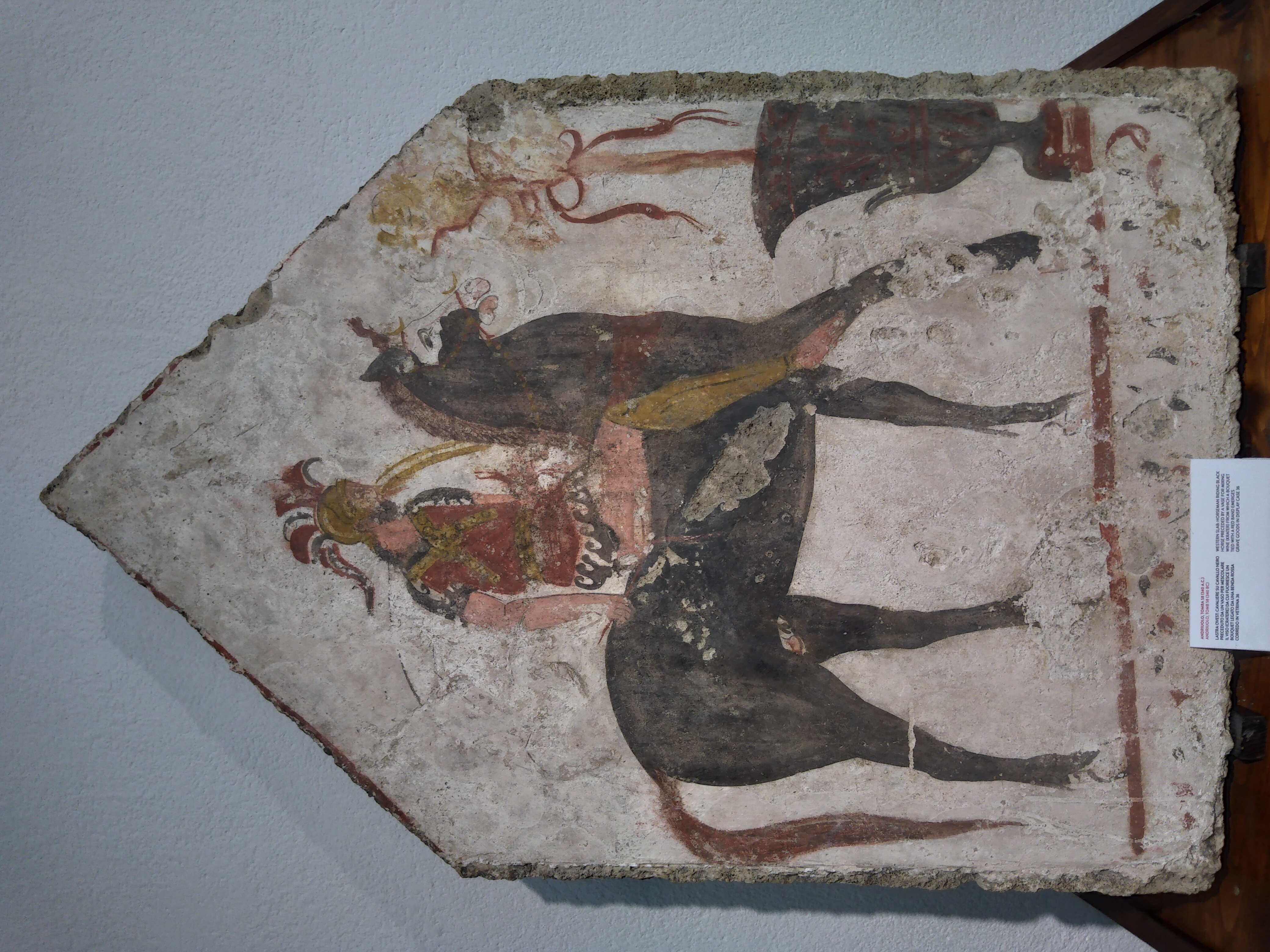
A central pillar of this study is the re-examination of the Lucanian populations, who provide the most significant volume of evidence regarding potential Pythagorean influence. Through a detailed analysis of Lucanian ethnic identity and social structures, the research challenges the narrative of a widespread Pythagoreanism and the notion of Lucanian Pythagoreanism. Crucially, this work offers a philological and historical re-evaluation of a decisive source: the fragment of Aristoxenus Fr. 17 Wehrli. By proposing a new length and interpretation for this fragment, the thesis demonstrates how modern scholars have frequently overextended the scope of ancient testimonies to support preconceived theories of cultural expansion.
The methodology involves a systematic deconstruction of previous historiographical positions, identifying analytical gaps where modern interpretations have replaced evidence-based history. By evaluating the interactions between Greek philosophical circles and local elites, a new perspective emerges.
The projected conclusion of this research suggests that Pythagoreanism never attained the systemic cultural dominance often claimed by modern historians. It would appear, however, that the presence of Pythagorean elements within the Lucanian and Roman elites was largely opportunistic. Rather than a profound philosophical conversion, these interactions were likely strategic tools employed by local elites to forge diplomatic and social bonds with specific factions of the Greek nobility. In this light, Pythagoreanism is redefined as a medium for elite networking and cultural diplomacy within the complex landscape of 4th century BCE Mediterranean foreign policy.