
Dream vs Reality
Many students arrive at NUMed with clear expectations of university life, from crisp white coats to inspiring lectures. The reality is often different and far more meaningful. Discover how two NUMed students experienced the gap between dream and reality, and how it shaped their journey.
28 April 2026
Many students walk into NUMed armed with a dream to better their lives, complete with an image of crisp white coats, fascinating lecture sessions, and dramatic life-and-death encounters. Reality, on the other hand, can be a little different and a whole lot more meaningful. (Spoiler alert: it is not going to be an episode of Grey’s Anatomy — and that is probably a good thing!) The crisp white coats, however, are a common sight here.
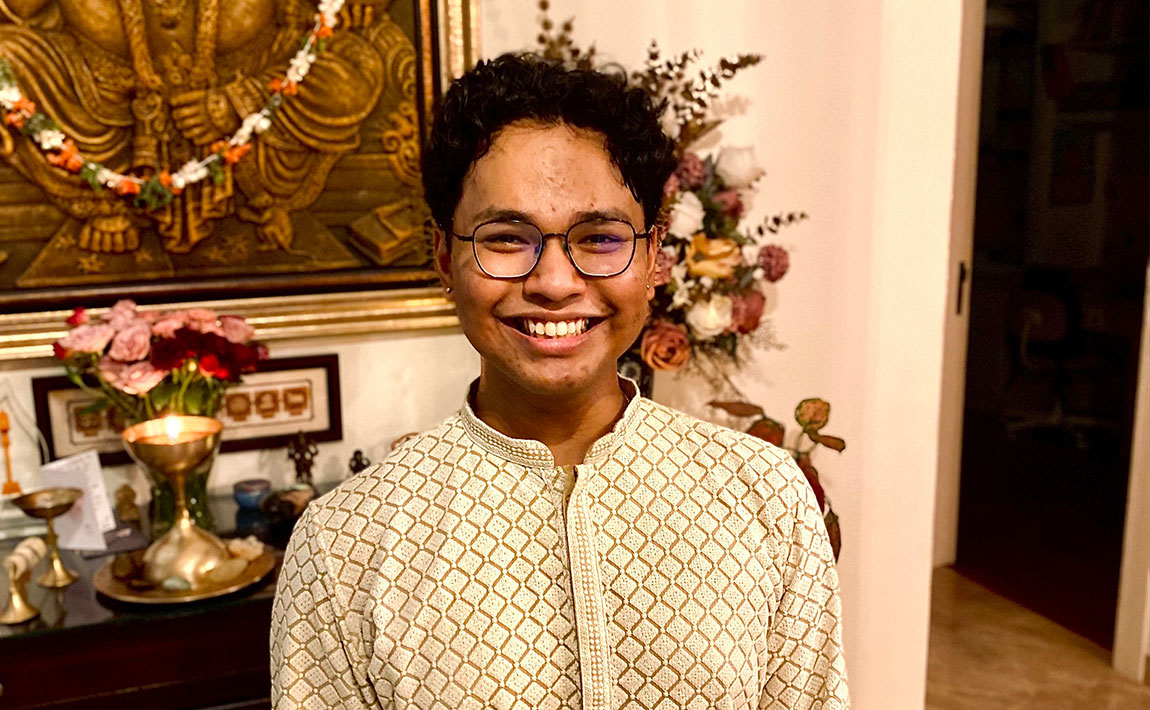
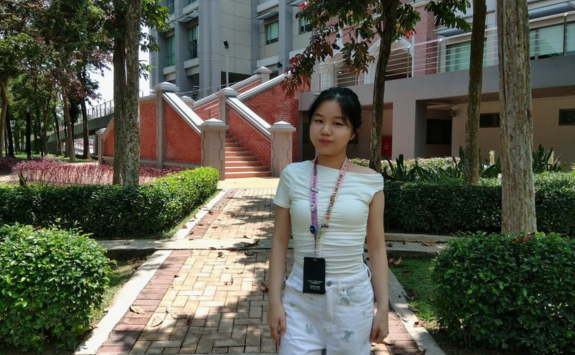
Two of our students, Shreeman Nadarajah (MBBS, Year 1) and Olivia Liying Tee (Biomedical Sciences, Year 2), share how their expectations compared to the reality they encountered.
The Dream: A Meaningful Beginning
For Shreeman, the journey began with a sense of excitement and purpose. Before his first day, he felt “extremely excited about beginning my journey towards becoming a doctor.”
“I anticipated engaging lessons, intellectually stimulating content, and the opportunity to explore subjects that I was genuinely interested in.”
At the same time, he approached medical school with a realistic mindset. He knew it would not be easy.
“I expected the course to be challenging, but also enjoyable and ultimately manageable with consistent effort. I anticipated a balanced experience where the difficulty would be complemented by engaging learning and a supportive environment,” he said.
Similarly, Olivia entered university with her own set of expectations that were rooted in curiosity and excitement about a new environment. She looked forward to meeting new friends, connecting with lecturers, and exploring the university’s facilities. But what excited her most was the practical side of her course.
“I expected my course to be heavily focused on laboratory sessions, with lots of hands-on experiments and practical learning,” she said.
The Reality: More Demanding
While both students began their journeys with enthusiasm, the reality of university life quickly introduced new challenges.
According to Shreeman, “What surprised me the most was the pace at which content was delivered and the extent of independent studying required. The transition from structured learning to a more self-directed approach was more demanding than I had anticipated.”
He admitted to underestimating the level of difficulty of the course. “While I expected it to be challenging, the intensity and depth of the content were far greater than I had initially imagined.”
For Olivia, however, the reality had her pleasantly surprised. Her expectations of a practically heavy course were not only met but exceeded.
“I wish someone had told me just how many lab sessions there would be — but in a good way!” she said. “I have really enjoyed the hands-on experience, and it has made learning much more engaging and meaningful.”
However, the academic transition still had its challenges. Like many students moving from foundation programmes to degree-level study, she noticed a significant shift in teaching style and depth.
“What surprised me most was how different the lecture style was compared to foundation studies. The content is much more detailed and challenging,” she said.
Fortunately, the support she received made a difference. “The lecturers explain concepts clearly and are always approachable and willing to help, which has made the transition easier.”
Different Paths, Shared Growth
Shreeman and Olivia’s experiences highlight a theme of growth through adaptation. When asked to describe their experiences in three words, both had one word in common: challenging. It was an apt reflection of how they navigated the academic demands of their respective courses.
Their remaining two words paint a more positive picture. Shreeman also described his experience as “questioning,” as he reflected on the path he had taken, especially during more difficult periods, and “motivating,” as he found inspiration in being surrounded by peers with similar goals, building friendships, and developing a strong support system that made his experience both meaningful and manageable.
Olivia’s other two words — “eye-opening” and “rewarding” — stemmed from being exposed to new knowledge and experiences, and from witnessing her own growth and progress over time.
“I feel that I have become more independent and confident in managing my studies. I have improved my time management skills and developed a better understanding of how to approach complex topics, both in lectures and in the lab,” she elaborated.
And if their experiences were movie genres?
Shreeman described his as a comedy-drama that is stressful with challenging moments, but also full of unexpected, ironic, and humorous situations that add lightness to the journey.
Olivia, on the other hand, likened hers to a coming-of-age experience marked by personal growth, overcoming obstacles, and discovering her interests and strengths.
Bridging Dream and Reality
Both journeys reflect an important truth about higher education — that expectations rarely align perfectly with reality, but the gap between them is where meaningful learning happens.
In the end, the journey to becoming a healthcare professional is not just about fulfilling a dream. It is about growing into it.