Muscular Dystrophy UK funds new research at Newcastle University
September 17 2026
The leading charity for more than 110,000 children and adults in the UK living with one of over 60 muscle wasting conditions is funding two projects led by Professor Volker Straub.
Alongside his PhD student, they’ll investigate a gene called LPCAT3, which may be linked to a new form of muscular dystrophy. This could provide answers for people whose muscle condition has remained unexplained for many years and help develop future treatments.
This research will improve our understanding of why patients with the same genetic diagnosis can have very different outcomes and may identify new targets for future treatments.
The second project will investigate the genes that could explain why people with forms of limb girdle muscular dystrophy – called sarcoglycanopathies – are affected differently, to try and find new targets for treatments.
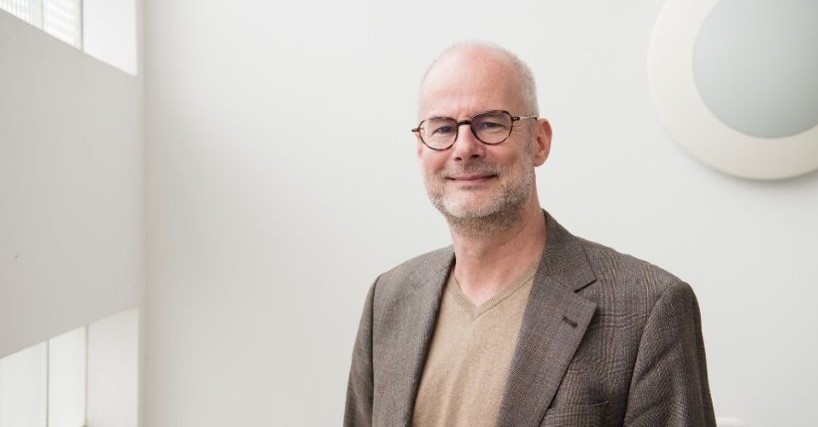
Professor Volker Straub, Harold Macmillan Professor of Medicine in FMS Translational and Clinical Research Institute (pictured above) said:
"We are delighted to receive support from Muscular Dystrophy UK to investigate the genetic factors that influence disease progression in sarcoglycanopathies. This research will improve our understanding of why patients with the same genetic diagnosis can have very different outcomes and may identify new targets for future treatments.
"The funding for the PhD studentship for the second project will help us to better understand disease mechanisms and to ultimately improve the diagnosis, care and treatment of people affected by neuromuscular diseases. The PhD studentship award will allow us to train the next generation of neuromuscular researchers."
Funding will also support Professor Jordi Diaz-Manera, Professor of Neuromuscular Disease in the Translational and Clinical Research Institute, to develop a new type of muscle scan to identify active muscle damage in people with muscular dystrophy. If successful, it could give doctors a clearer picture of what is happening inside the muscles and provide information that is not available with current imaging methods.
The Translational and Clinical Research Institute's Jose Verdu Diaz and his team will be comparing MRI scans from people with muscle wasting conditions to develop an online tool that helps doctors compare scans and understand how their condition is likely to progress and improve understanding of rare muscle conditions.
This latest investment brings Muscular Dystrophy UK's total current research commitment to over £10 million. Across more than 25 conditions, it's now supporting 56 active projects that aim to deepen understanding, explore new treatments and make a meaningful difference to the lives of those living with muscle wasting by improving everyday quality of life.
Muscular Dystrophy UK's portfolio of research spans the UK, with current research projects underway in all four nations, helping to reach more people and communities. In addition to the four projects at Newcastle University, this year, Muscular Dystrophy UK has awarded new funding to researchers in Cardiff, Glasgow, London and Nottingham.
Dr Kate Adcock, Director of Research and Innovation at Muscular Dystrophy UK, said:
"A key ambition of our ten-year strategy is to broaden our research portfolio and accelerate the development of new treatments.
"We're delighted to continue our investment into funding these four key research projects at Newcastle University to help us achieve our ambition. The projects have the potential to make a real difference and transform the lives of those affected by neuromuscular conditions."
The announcement coincides with Muscular Dystrophy Awareness Month. Throughout the month of September, the charity is shining a spotlight on muscle wasting conditions to continue raising funds to support research and help those living with a condition and their families.
As well as funding research, the charity also campaigns for a more equal and accessible world, helps people get access to the right care and specialist support, access to treatments and supports those with a condition to live independently with better physical and mental health.
Read more about Professor Volker Straub's projects, Professor Jordi Diaz-Manera's project and Dr Jose Verdu Diaz's project. Discover more about Muscular Dystrophy UK's research projects at musculardystrophyuk.org/research
For more information about Muscular Dystrophy UK visit musculardystrophyuk.org or call the free helpline on 0800 652 6352 (open Mon–Fri 10:00-17:00).