
Dr Emma Scott
Prostate Cancer UK Research Innovation Award
I joined Newcastle University in 2015 as a PhD student and have built my academic career here through a series of postdoctoral research and fellowship positions.
My focus is prostate cancer and in 2020 I was awarded a prestigious four-year Prostate Cancer UK Travelling Prize Fellowship and then a Prostate Cancer UK Research Innovation Award. Through this external funding and the support I have around me as an FMS Academic Track Fellow, I am building my research group and developing an exciting and independent programme of work.
My research focuses on the role of glycans and carbohydrate-binding proteins in myeloid cells and fibroblasts within the prostate tumour immune microenvironment. I aim to understand how these glycan-mediated signalling pathways contribute to immune suppression in prostate cancer.
To date, conventional immunotherapies have failed to deliver durable clinical benefit for most prostate cancer patients. By better understanding this underexplored signalling axis, we hope to develop and tailor glycan-based immunotherapies that improve treatment outcomes.
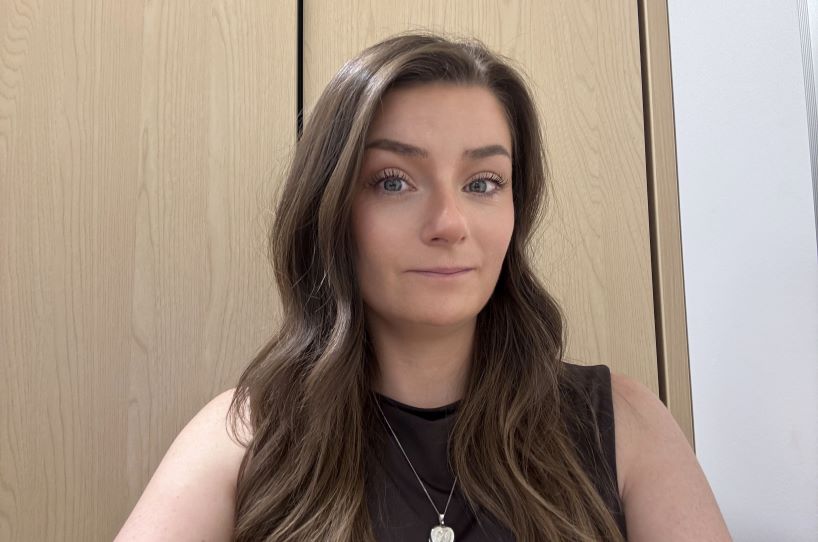
The strength of cancer research at Newcastle University and the local Trust means I benefit from a highly supportive and collaborative local research network
I chose to build my career in the Faculty of Medical Sciences back in 2015 because it has anoutstanding reputation for translational research and a strong track record of delivering genuinely impactful cancer research.
Newcastle University’s Centre for Cancer is one of only 15 CRUK Centres and one of 17 CRUK Experimental Cancer Medicine Centres (ECMCs) in the UK, providing an exceptional environment for discovery and translation. The Centre also has close links with the Cancer Research Horizons Therapeutic Innovation (CRH-TI) Newcastle Drug Discovery group and the Clinical Trials Unit at the Freeman Hospital.
I have been encouraged and supported by colleagues and mentors to successfully apply for internal funding that has allowed me to develop new experimental models, generate robust preliminary data and attend external training courses. All these things really strengthened my external fellowship applications.
It’s really important to me that the work of my group has real life impact. Our work has identified two key myeloid receptors that contribute to immune suppression in prostate tumours. We have also shown that the biology of these receptors is altered by commonly used standard-of-care therapies, findings that may have important implications for disease management and treatment sequencing. In the long term, I hope to develop new combination therapeutic strategies.