
Active Learning
NEW: A vision for education and skills at Newcastle University: Education for Life 2030+
Our core pedagogical principle
Newcastle University's Leading Edge Curriculum is grounded in one core pedagogical principle – Active Learning. This underpinning principle shapes how our students engage with knowledge, develop skills, and apply their learning in real-world contexts.
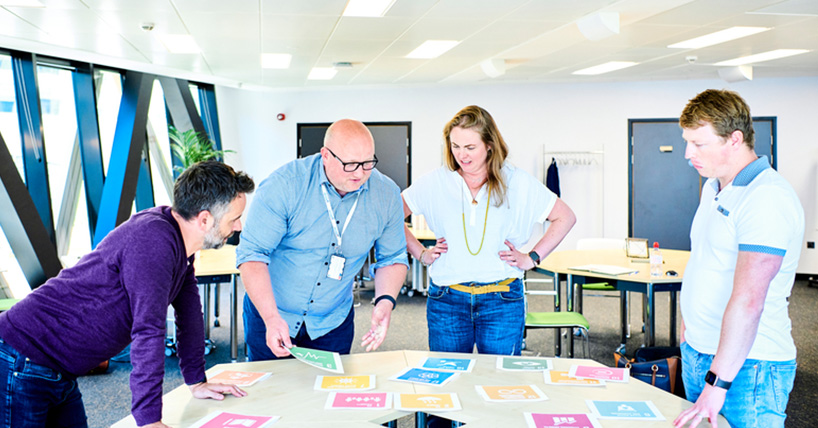
Active learning places students at the centre of the learning process, encouraging participation through collaboration, critical thinking, application and reflection. Grounded in constructivist theory, it enables students to:
- Engage deeply with knowledge and concepts
- Apply theory to real-world problems
- Build collaborative and communication skills
- Reflect on their development and progress
Active learning is not a single method but a flexible approach that can be embedded across the curriculum - from small interactions within sessions such as questioning, discussion or peer feedback, to more deliberate, structured strategies within curriculum and assessment design.
Why active learning?
One-way transmission of information is necessary at times, but it can result in limited attention, excessive cognitive-load, and it does not engage learners in the retrieval and elaboration practices that strengthen long-term memory. Active learning approaches encourage students to participate in meaningful – and meaning-making – activities that require critical thinking and the application of knowledge.
Active learning is any approach that asks students to do something with ideas – question them, apply them, debate them – rather than simply receive information. By turning listeners into participants, we give learners real agency; they co-construct knowledge, practise judgement, and make their thinking visible to peers and tutors.
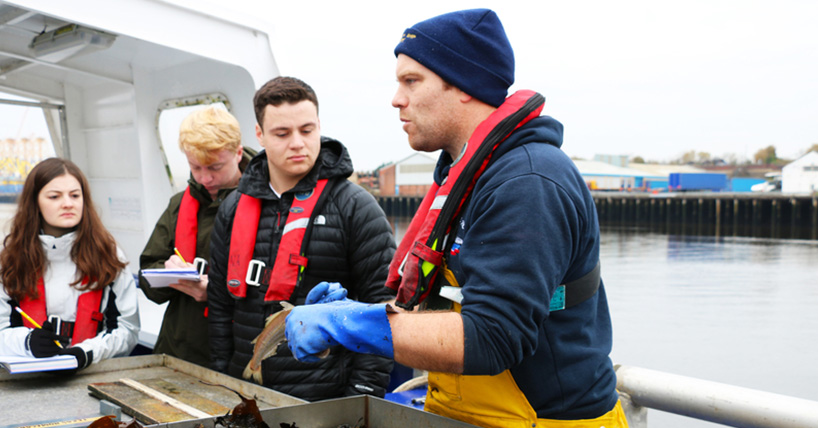
In addition to the cognitive and memory-retention benefits, this approach also helps support equitable access to learning by fostering inclusive environments where diverse perspectives are valued. Furthermore, by integrating activities such as problem-based, experiential and collaborative learning scenarios into teaching, active learning approaches provide the opportunity for students to practice skills essential for the workplace.

Rationale
Active learning isn’t just better for learning – it is fairer and more future‑proof:
- Student outcomes: Meta‑analyses show that replacing even part of a lecture with active tasks can cut failure rates by up to 45 percent and narrow the exam‑score gap between minoritised and majority students by about one‑third.
- Career readiness: The teamwork, problem‑solving and critical thinking practised in these activities align with the graduate attributes employers value most, converting classroom effort into clear employability capital.
- Benefits for staff: Active methods let lecturers interact with students and collect real‑time feedback. By posing a question or assigning a quick group task, they can immediately spot where students are excelling or struggling and adjust accordingly.