Classical Studies BA Honours
2027 entry information
- Study mode and duration
- Full time: 3 years
- UCAS code
- Q810
- UCAS institution name and code
- NEWC / N21
- Tuition fees (Year 1)
-
FT Home: £10,050
FT International: £25,350 Scholarships available - Typical entry requirements
-
A-Level: ABB
IB: 32 points
View alternative offers - Course delivery
- On Campus
- Work placement opportunity Study abroad option
Course overview
Immerse yourself in the study of the Greek and Roman world on this three-year Classical Studies BA Honours degree. You'll focus on developing your knowledge of how ancient societies thought about and presented their world through culture.
Exploring everything from literature, history and art, to science, architecture and religion, you'll learn about the impact Classical tradition has had on Western civilisation. You'll also learn about the range of approaches available to study it. You'll also have the option of studying Latin or Ancient Greek from beginners or intermediate level.
Alongside core modules in Greek and Roman literature, you'll explore a variety of topics, including:
- Greek and Roman religion
- slavery in Greco-Roman Antiquity
- the life and afterlife of Alexander the Great, and
- women in the ancient world
You will have the opportunity to study ancient Greek and Latin language, from beginners’ to advanced level. You will also choose to specialise in subject areas of interest to you, preparing you for a broad range of employment opportunities in a wide variety of fields.
Quality and ranking
Professional accreditation and recognition
Professional accreditations are reviewed regularly by professional bodies to ensure they meet the latest industry practices and regulatory standards. This keeps your degree rigorous, relevant, and highly valued by employers, providing a clear pathway into your chosen career.
If you are studying an accredited degree and considering a career in Europe after graduation, it is important to stay informed about international standards. The best resource for current information is the UK Government's guidance on recognition of UK professional qualifications in EU member states.
This official resource provides essential details on:
- whether your profession is regulated in another country.
- the specific steps you need to take to practice abroad.
- which organisations you should contact to begin the process.
Our students
What you'll learn
Modules
The information below is intended to provide an example of what you will study.
Most degrees are divided into stages. Each stage lasts for one academic year, and you'll complete modules totalling 120 credits by the end of each stage.
Full details of the modules on offer will be published through the Programme Regulations and Specifications ahead of each academic year. This usually happens in May.
Our teaching is informed by research. Course content may change periodically to reflect developments in the discipline, the requirements of external bodies and partners, and student feedback.
You'll take the following compulsory modules:
| Compulsory modules | Total Credits | Credits Sem 1 | Credits Sem 2 | Level |
|---|---|---|---|---|
| The World of Latin Literature | 20 | 20 | - | 4 |
| Tragedy, Comedy, History: The World of Greek Literature | 20 | - | 20 | 4 |
You'll also take 4 optional modules normally selected from the following list:
| Module | Total Credits | Credits Sem 1 | Credits Sem 2 | Level |
|---|---|---|---|---|
| One to four modules in Greek and/or Latin at Beginners’ or Intermediate level (see Appendix 8) | 20-80 | 20-40 | 0-40 | 4 or 5 |
| Greek and Roman Art and Archaeology | 20 | 20 | - | 4 |
| How Should I Live? An Introduction to Ancient Philosophy | 20 | - | 20 | 4 |
| West meets East: Greek History and Society, 776-200 BC | 20 | 20 | - | 4 |
| The Roman World from Romulus to Trajan | 20 | - | 20 | 4 |
With the approval of the Degree Programme Director (DPD), alternative optional modules to those listed above may be selected from Stage 1 Archaeology, History or other subject areas (to a maximum of 40 credits). Recommended modules are:
| Module | Total Credits | Credits Sem 1 | Credits Sem 2 | Level |
|---|---|---|---|---|
| Prehistoric Britain | 20 | 20 | - | 4 |
| The Archaeology of Britain from the Romans to the 20th Century | 20 | - | 20 | 4 |
| Global Middle Ages | 20 | - | 20 | 4 |
| Stuff: living in a material world | 20 | - | 20 | 4 |
| Global Ancient Histories | 20 | 20 | - | 4 |
Appendix 8
You can choose to take one or more Classical Language modules as set out in the regulations. Depending on your level of previous study you'll either start at Beginners or Intermediate level. You must take the Semester 1 Part 1 module before proceeding to the Semester 2 Part 2 module. Pre-requisite modules are set out in the Module Outline forms and indicated below.
An exemption from the University’s Qualifications and Credit Framework has been granted to allow the study of Beginners’ and Intermediate Latin and Greek at any stage. In the cases of Stages 2 and 3, the particular pathway selected is subject to the discretion of the Degree Programme Director.
Greek modules
| Module | Pre-Requisite | Total Credits | Credits Sem 1 | Credits Sem 2 | Level |
|---|---|---|---|---|---|
| Beginners’ Greek in Action Part 1 | None | 20 | 20 | - | 4 |
| Beginners’ Greek in Action Part 2 | CAG1001 taken in same or a previous year | 20 | - | 20 | 4 |
| Intermediate Greek Language and Literature Part 1 | CAG1002 taken in a previous year unless DPD approval given due to prior learning | 20 | 20 | - | 5 |
Latin modules
| Module | Pre-Requisite | Total Credits | Credits Sem 1 | Credits Sem 2 | Level |
|---|---|---|---|---|---|
| Beginners’ Latin in Action Part 1 | None | 20 | 20 | - | 4 |
| Beginners’ Latin in Action Part 2 | CLA1001 taken in the same or a previous year. | 20 | - | 20 | 4 |
| Intermediate Latin Language and Literature Part 1 | CLA1002 taken in a previous year unless DPD approval given due to prior learning | 20 | 20 | - | 5 |
Modules
You'll undertake a dedicated research training module, ‘Researching the Classics’, which places emphasis on helping you to develop your abilities to pursue independent research, in preparation for Stage 3.
The rest of your modules can be chosen from a wide selection of topics relating to Greek and Latin literature, Greek and Roman history or archaeology, including options to learn Greek and Latin language.
You'll take the following compulsory modules:
| Compulsory modules | Total Credits | Credits Sem 1 | Credits Sem 2 | Level |
|---|---|---|---|---|
| The Researcher’s Toolkit: Sources, methods, and interpretations in Classics and Ancient History | 20 | - | 20 | 5 |
You'll also take 100 credits of optional modules normally selected from Lists A and B, up to the maximum indicated for each.
List A (maximum 100 credits):
| Module | Total Credits | Credits Sem 1 | Credits Sem 2 | Level |
|---|---|---|---|---|
| One to four modules in Greek and/or Latin, (see Appendix 8) | 20-80 | 20-40 | 20-40 | 4-6 |
| The Classical Inheritance in Western Culture † | 20 | 10 | 10 | 5 |
| Approaches to Greek Mythology | 20 | 20 | - | 5 |
| Love, Death, and Longing † | 20 | 20 | - | 5 |
| Warlike women, one-eyed warriors and gold-guarding griffins: The World of Herodotus † | 20 | - | 20 | 5 |
| Slavery in Greco-Roman Antiquity | 20 | - | 20 | 5 |
List B (maximum 60 credits):
| Module | Total Credits | Credits Sem 1 | Credits Sem 2 | Level |
|---|---|---|---|---|
| Hellenistic Empires from Alexander to Cleopatra | 20 | - | 20 | 5 |
| The Roman World from Hadrian to Heraclius | 20 | 20 | - | 5 |
| Greek and Roman Religions | 20 | 20 | - | 5 |
| Sacred words and dirty deeds: Thriving in Late Antiquity | 20 | - | 20 | 5 |
| The Mediterranean: a connected past | 20 | 20 | - | 5 |
With the approval of the Degree Programme Director (DPD), alternative optional modules to those listed List B above may be selected from Stage 2 Archaeology, History or other subject areas (to a maximum of 40 credits). Recommended modules are:
| Module | Total Credits | Credits Sem 1 | Credits Sem 2 | Level |
|---|---|---|---|---|
| From Lascaux to Knossos: Prehistoric Europe | 20 | - | 20 | 5 |
| Archaeologies of the Roman Empire: The Roman World from Augustus to Diocletian | 20 | 20 | - | 5 |
| Colonial Worlds: History and Archaeology | 20 | - | 20 | 5 |
| Africa: History of a Continent | 20 | - | 20 | 5 |
| Destroying Nature: Disasters, Diseases and Environmental Injustice | 20 | - | 20 | 5 |
| Diversities of Sexuality and Gender in History | 20 | - | 20 | 5 |
Appendix 8
You can choose to take one or more Classical Language modules as set out in the regulations. Depending on your level of previous study you'll either start at Beginners or Intermediate level. You must take the Semester 1 Part 1 module before proceeding to the Semester 2 Part 2 module. Pre-requisite modules are set out in the Module Outline forms and indicated below.
An exemption from the University’s Qualifications and Credit Framework has been granted to allow the study of Beginners’ and Intermediate Latin and Greek at any stage. In the cases of Stages 2 and 3, the particular pathway selected is subject to the discretion of the Degree Programme Director.
Greek modules
| Module | Pre-Requisite | Total Credits | Credits Sem 1 | Credits Sem 2 | Level |
|---|---|---|---|---|---|
| Beginners’ Greek in Action Part 1 | None | 20 | 20 | - | 4 |
| Beginners’ Greek in Action Part 2 | CAG1001 taken in same or a previous year | 20 | - | 20 | 4 |
| Intermediate Greek Language and Literature Part 1 | CAG1002 taken in a previous year unless DPD approval given due to prior learning | 20 | 20 | - | 5 |
Latin modules
| Module | Pre-Requisite | Total Credits | Credits Sem 1 | Credits Sem 2 | Level |
|---|---|---|---|---|---|
| Beginners’ Latin in Action Part 1 | None | 20 | 20 | - | 4 |
| Beginners’ Latin in Action Part 2 | CLA1001 taken in the same or a previous year. | 20 | - | 20 | 4 |
| Intermediate Latin Language and Literature Part 1 | CLA1002 taken in a previous year unless DPD approval given due to prior learning | 20 | 20 | - | 5 |
Modules
Please note that placement opportunities will be guided by national and institutional policy at the time.
On completion of Stage 2 and before entering Stage 3, you may as part of your
studies for the degree spend a year abroad at an appropriate exchange partner institution.
Permission to undertake a year abroad is subject to the approval of the Degree Programme Director. Students who are required to re-sit their Stage 2 assessment must delay the start
of their placement until they have done so.
Students who fail Stage 2 may not complete a year abroad.
If you take an international study year, you'll take the following compulsory modules:
| Module | Total Credits | Credits Sem 1 | Credits Sem 2 | Level |
|---|---|---|---|---|
| International Study Year Module | 120 | 60 | 60 | 6 |
Modules
4. Stage 3
(a) All candidates shall take the following compulsory module:
| Compulsory modules | Total Credits | Credits Sem 1 | Credits Sem 2 | Level |
|---|---|---|---|---|
| Dissertation in Classics and Ancient History | 40 | 20 | 20 | 6 |
(b) You'll take 80 credits of optional modules normally selected from lists A and B, up to the maximum indicated for each.
List A (maximum 80 credits):
| Optional modules | Total Credits | Credits Sem 1 | Credits Sem 2 | Level |
|---|---|---|---|---|
| One to four modules in Greek and/or Latin, (see Appendix 8) | 20-80 | 20-40 | 20-40 | 4-6 |
| The Classical Inheritance in Western Culture† | 20 | 10 | 10 | 6 |
| Approaches to Greek Mythology † | 20 | 20 | - | 6 |
| Love, Death, and Longing † | 20 | 20 | - | 6 |
| Warlike women, one-eyed warriors and gold-guarding griffins: The World of Herodotus † | 20 | - | 20 | 6 |
† Note: candidates may not take at Stage 3 the CAC3***-coded version of any module whose CAC2*** coded version they took at Stage 2.
List B (maximum 60 credits):
| Optional modules | Total Credits | Credits Sem 1 | Credits Sem 2 | Level |
|---|---|---|---|---|
| City of Athens: Power, Society and Culture | 20 | 20 | - | 6 |
| Roman Egypt | 20 | - | 20 | 6 |
| Businesswomen in the ancient world: Challenging Prejudices and Inequality | 20 | 20 | - | 6 |
(c) With the approval of the Degree Programme Director, alternative optional modules to those listed List B above may be selected from Stage 3 Archaeology, History or other subject areas (to a maximum of 40 credits). Note that Stage 3 History modules are usually capped, with priority given to students on History programmes, so that places cannot be guaranteed. Recommended modules are:
| Optional modules | Total Credits | Credits Sem 1 | Credits Sem 2 | Level |
|---|---|---|---|---|
| Early Medieval Britain | 20 | 20 | - | 6 |
| Frontier Communities of Roman Britain | 20 | - | 20 | 6 |
| Early Prehistoric Europe: Origins and transformations | 20 | - | 20 | 6 |
| Sex, bodies and identities in Classical Greece | 20 | - | 20 | 6 |
| Homeric Archaeology: Greece from Palaces to City States | 20 | 20 | - | 6 |
| Fundamentals of Digital Humanities: Computer literacy, data analysis and GIS | 20 | 20 | - | 6 |
| Buddhism and Society in Medieval Japan | 20 | 20 | - | 6 |
(d) With the approval of the Degree Programme Director, the following alternative optional module to one of those available under 4(c) above may be selected:
| Optional modules | Total Credits | Credits Sem 1 | Credits Sem 2 | Level |
|---|---|---|---|---|
| Career Development for final year students | 20 | 10 | 10 | 6 |
Appendix 8
Students may choose to take (as set out in their regulations) one or more Classical Language modules as set out in their regulations. Depending on their level of previous study students will either start at Beginners or Intermediate level. Students must take the Semester 1 Part 1 module before proceeding to the Semester 2 Part 2 module. Pre-requisite modules are set out in the Module Outline forms and indicated below.
An exemption from the University’s Qualifications and Credit Framework has been granted to allow the study of Beginners’ and Intermediate Latin and Greek at any stage. In the cases of Stages 2 and 3, the particular pathway selected is subject to the discretion of the Degree Programme director.
Greek modules
| Descriptive title | Pre-Requisite | Total Credits | Credits Sem 1 | Credits Sem 2 | Level |
|---|---|---|---|---|---|
| Beginners’ Greek in Action Part 1 | None | 20 | 20 | - | 4 |
| Beginners’ Greek in Action Part 2 | CAG1001 taken in same or a previous year | 20 | - | 20 | 4 |
| Intermediate Greek Language and Literature Part 1 | CAG1002 taken in a previous year unless DPD approval given due to prior learning | 20 | 20 | - | 5 |
Latin modules
| Descriptive title | Pre-Requisite | Total Credits | Credits Sem 1 | Credits Sem 2 | Level |
|---|---|---|---|---|---|
| Beginners’ Latin in Action Part 1 | None | 20 | 20 | - | 4 |
| Beginners’ Latin in Action Part 2 | CLA1001 taken in the same or a previous year. | 20 | - | 20 | 4 |
| Intermediate Latin Language and Literature Part 1 | CLA1002 taken in a previous year unless DPD approval given due to prior learning | 20 | 20 | - | 5 |
Modules
We base these figures and graphs on the most up-to-date information available to us. They are based on the modules chosen by our students in 2025-26.
Teaching time is made up of:
- scheduled learning and teaching activities. These are timetabled activities with a member of staff present.
- structured guided learning. These are activities developed by staff to support engagement with module learning. Students or groups of students undertake these activities without direct staff participation or supervision
How you'll learn
Teaching methods
You'll be taught through a range of teaching methods and activities, including:
- lectures
- seminars
- workshops
- tutorials
- film-screenings
Assessment methods
You'll be assessed through a combination of:
-

Assignments – written or fieldwork
-

Coursework
-
Dissertation or research project
-

Essays
-

Examinations – practical or online
-

Portfolio submission
-

Presentations
-

Seminar tasks/exercises
Skills and experience
Practical skills
During your degree, you will have the chance to take part in extracurricular field trips that take advantage of the North East's rich history such as:
- the nearby World Heritage Site of Hadrian's Wall
- the classically inspired Belsay Hall
- Wallington Hall
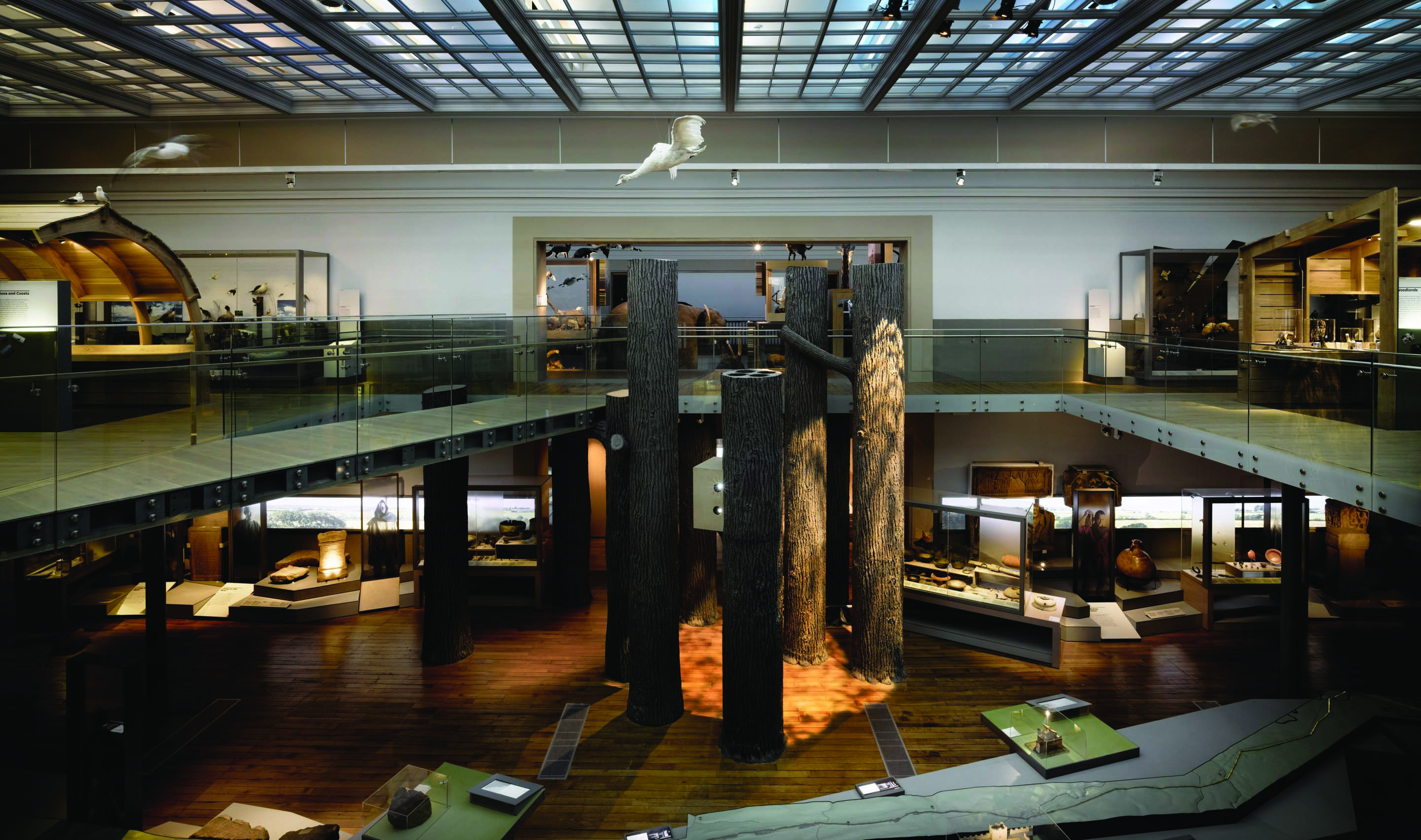
You will be able to take advantage of the resources of the Great North Museum, with its extensive ancient collections.
These experiences support your theoretical understanding, helping you to evaluate artefacts and carry out archival research.
Business skills
You'll gain practical skills and experience working with the outstanding Greek, Roman and Etruscan collections and antiquities at the Great North Museum: Hancock.
Research skills
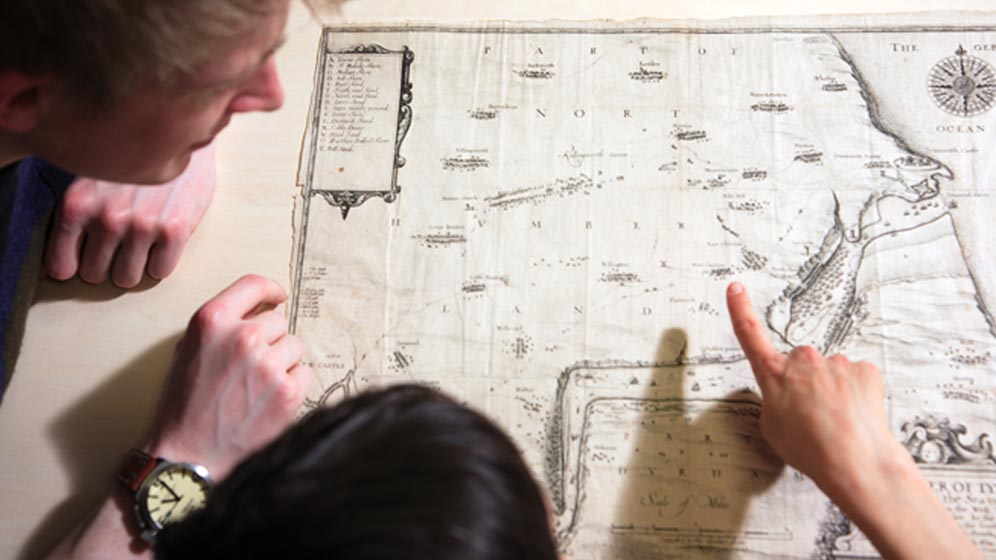
In your final year, using the skills developed during your degree, you’ll write a dissertation on a topic of your own choosing. During this, you’ll hone your investigative skills as you undertake independent research with access to extensive print and electronic resources, as well as archives and special collections.
Support
You'll be welcomed into a vibrant and supportive community. We will ensure you are well placed to achieve your highest potential and are equipped for career success.
You'll have the support of an academic member of staff as an academic adviser throughout your degree to help with academic and personal issues.
Peer mentors will help you in your first year. They are fellow students who can help you settle in and answer any questions you have when starting university.
Opportunities
Study abroad
Experience life in another country by choosing to study abroad as part of your degree. You’ll be encouraged to embrace fun and challenging experiences, make connections with new communities and graduate as a globally aware professional, ready for your future.
You have the opportunity to study abroad in between Stage 2 and 3. You can study in an EU country as part of a study abroad exchange or further afield.
Find out more about study abroad
Work placement
Apply your practical skills, increase your confidence and gain real-life work experience to accelerate your career. Take a 9-12-month industrial placement in the UK or abroad. Work placements usually take place in stage 3 of your studies and extend your degree by one year.
You may be interested in
Entry requirements
All candidates are considered on an individual basis and we accept a broad range of qualifications.
The entrance requirements and offers below apply to 2027 entry.
| A-Level | |
|---|---|
| International Baccalaureate | |
|---|---|
Other UK and the Republic of Ireland qualifications
Alternative offers at Newcastle
Through one of our contextual or alternative offer routes, you could receive an offer of up to three grades lower than the typical requirements.
Contextual offers
We use certain contextual data from your UCAS form, alongside your application, to consider challenges that you may have faced in your education and the potential effect this may have had on your qualifications. This means you may be eligible to receive a lower contextual offer.
PARTNERS offers
One of the largest and longest support entry routes to university of its kind for students from underrepresented backgrounds. We support applicants from application through to study.
Realising Opportunities offers
A unique programme delivered in collaboration with 10 leading, research-intensive universities in the UK. The programme is open to students in Year 12/first year of college.
Pathways to Newcastle offers
Pathways to Newcastle, our national skills entry route, is available for specific subject areas.
High Performance Athletes
We support promising athletes at the application stage, who compete in regional, national or international levels in their sport.
Qualifications from outside the UK
English Language requirements
International Pathway and English Language courses
International Pathway courses are specialist programmes designed for international students who want to study in the UK. We provide a range of study options for international students in partnership with INTO.
These courses are specifically designed for international students who want to study in the UK and progress onto one of our undergraduate degrees. Our International Study Centre, has a range of study options including:
- International Foundation
- International Year One
- English Language courses
Find out more about International Pathway courses
Admissions policy
This policy applies to all undergraduate and postgraduate admissions at Newcastle University. It is intended to provide information about our admissions policies and procedures to applicants and potential applicants, to their advisors and family members, and to staff of the University.
University Admissions Policy and related policies and procedures
Credit transfer and Recognition of Prior Learning
Recognition of Prior Learning (RPL) can allow you to convert existing relevant university-level knowledge, skills and experience into credits towards a qualification. Find out more about the RPL policy which may apply to this course.
Your future
You'll develop a mix of practical, intellectual and transferable skills desirable to employers. This will give you an excellent choice of further study and career opportunities open to you on completion of your studies.
Classics graduates find themselves in a diverse range of careers, including:
- Heritage and Museums
- Journalism and Publishing
- Education
- Law and Legal Services
- Marketing
Careers support
Our Careers Service is one of the largest and best in the country, and we have strong links with employers. We provide an extensive range of opportunities to all students through our ncl+ initiative.
Facilities and environment
Facilities
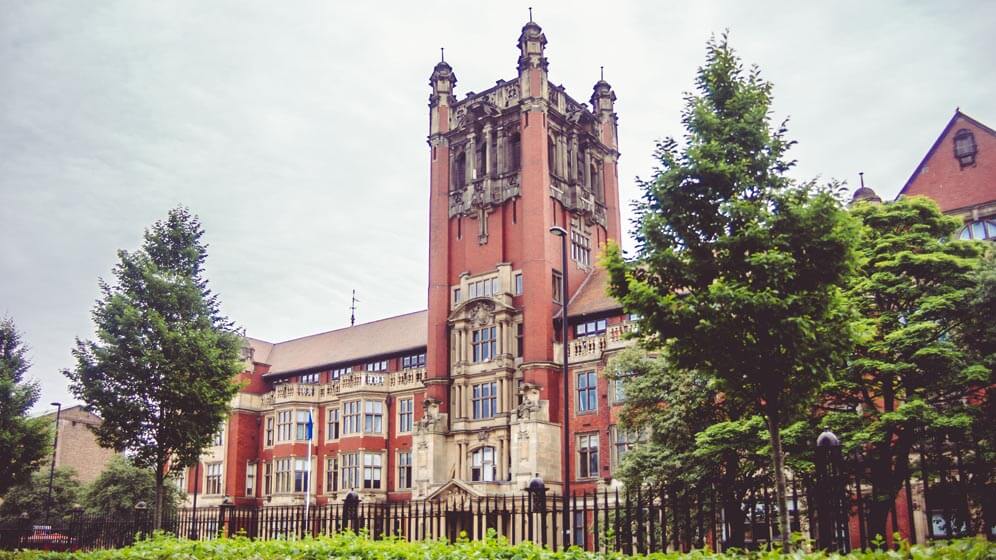
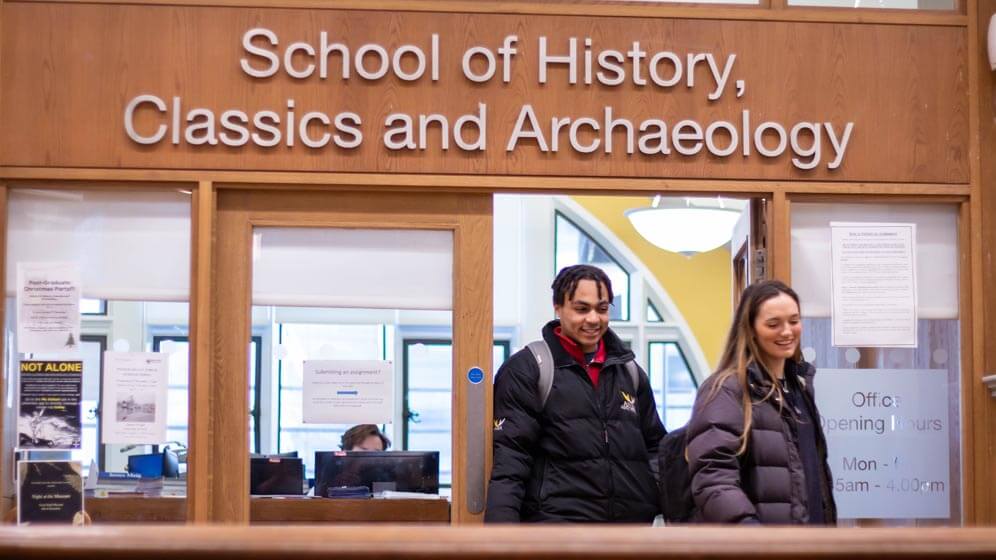
You'll be based in the School of History, Classics and Archaeology, located at the heart of campus in the historic Armstrong Building. You'll have access to excellent study resources including:
- the Philip Robinson University Library, which houses over 800,000 books and provides access to ca. 1.8m e-books
- Special Collections & Archives – a rich collection of archival material, historical medical texts and rare books
- The Great North Museum: Hancock, our on-campus museum which holds an extensive collection of Greek, Roman, and Etruscan artefacts.
- a Material Culture Analytical Suite kitted out with microscopes, and 2D and 3D scanning equipment.
Find out more about the School of History, Classics and Archaeology
Tuition fees and scholarships
Tuition fees for academic year 2027-2028
| Qualification: BA Honours | |
|---|---|
|
Home students full time 3 years |
Tuition fees (Year 1)
£10,050 |
|
International students full time 3 years |
Tuition fees (Year 1)
25,350 |
Year abroad and additional costs
For programmes where you can spend a year on a work placement or studying abroad, you will receive a significant fee reduction for that year.
Some of our degrees involve additional costs which are not covered by your tuition fees.
Scholarships
Find out more about:
How to apply
Apply through UCAS
To apply for undergraduate study at Newcastle University, you must use the online application system managed by the Universities and Colleges Admissions Service (UCAS). All UK schools and colleges, and a small number of EU and international establishments, are registered with UCAS. You will need:
- the UCAS name and institution codes for Newcastle University (NEWC/N21)
- the UCAS code for the course you want to apply for
- the UCAS 'buzzword' for your school or college
If you are applying independently, or are applying from a school or college which is not registered to manage applications, you will still use the Apply system. You will not need a buzzword.
Apply through UCASInternational students can apply through an agent
International students often apply to us through an agent. Have a look at our recommended agents and get in touch with them.
Open days and events
UK open days
You'll have a number of opportunities to meet us throughout the year at our on-campus and virtual open days.
You'll be able to:
- explore our beautiful campus
- find out about our vibrant city
- discover what students think about studying at Newcastle
You'll also have the opportunity to speak to academic staff and find out more about the subjects you're interested in.
Find out about how you can visit Newcastle in person and virtually.
Worldwide events
We regularly travel overseas to meet with students interested in studying at Newcastle University. Visit our events calendar to find out when we're visiting your region.
Online events
Get in touch
By phone
Call us on +44 (0) 191 208 3333 and press option 1. Our opening hours are Monday to Friday 10am until 4pm.
Online
Keep updated
We regularly send email updates and extra information about the University.
Receive regular updates by email