Biology BSc Honours
- UCAS code: C100
- Full time
- 3 years
Our modern Biology BSc Honours degree gives you the opportunity to study a broad spectrum of the natural world around us.
You are currently viewing course information for entry year: 2026
Next start date:
- September 2026
UCAS Institution name and code:
- NEWC / N21
Course overview
Newcastle has a host of amazing habitats to explore. Experience the charm of the Northumberland countryside, while getting involved in a unique learning experience at Newcastle University.
You'll learn about all forms of life, from cells and molecules to organisms and ecosystems. You'll study the theory in our modern labs and put it to the test in the field. You'll also have many opportunities to attend residential and field courses.
You can also specialise in biotechnology, microbiology, ecological survey techniques and more.
You'll put your skills into action in:
- lab-based classes
- day excursions
- residential field courses
Your course and study experience - disclaimers and terms and conditions
Please rest assured we make all reasonable efforts to provide you with the programmes, services and facilities described. However, it may be necessary to make changes due to significant disruption, for example in response to Covid-19.
View our Academic experience page, which gives information about your Newcastle University study experience for the academic year 2025-26.
See our terms and conditions and student complaints information, which gives details of circumstances that may lead to changes to programmes, modules or University services.
Quality and ranking
Professional accreditation and recognition
All professional accreditations are reviewed regularly by their professional body.
Modules and learning
Modules
The information below is intended to provide an example of what you will study.
Most degrees are divided into stages. Each stage lasts for one academic year, and you'll complete modules totalling 120 credits by the end of each stage.
Our teaching is informed by research. Course content may change periodically to reflect developments in the discipline, the requirements of external bodies and partners, and student feedback.
Optional module availability
Student demand for optional modules may affect availability.
Full details of the modules on offer will be published through the Programme Regulations and Specifications ahead of each academic year. This usually happens in May.
To find out more please see our terms and conditions
In the first stage of your degree, you'll develop a strong foundation in biology and get stuck into practical work from the start.
You'll study four compulsory modules (80 credits) and choose 40 credits of optional modules.
After your first stage, you can transfer to our Zoology BSc degree. This must happen before stage 2 starts.
Modules
You will take the following compulsory modules:
| Compulsory modules | Credits |
|---|---|
| Genetics and Evolution | 20 |
| Ecology and Conservation | 20 |
| Biomolecules—the Biochemical basis of life (previously called Cells and Biomolecules) | 20 |
| Skills for the Biosciences | 20 |
You will take 40 credits of optional modules from the following list:
| Optional modules | Credits |
|---|---|
| Crop Health | 10 |
| Introduction to Animal Physiology | 10 |
| Animal Health | 10 |
| Molecular Biology of the Cell | 20 |
| Animal Life | 20 |
You'll work on your own extensive research project (40 credits), with supervision from an expert in your chosen field. You can choose a topic linked to our research expertise, such as:
- molecular biology and biotechnology
- microbiology and zoology
- conservation and policy
- social sciences and policy
- terrestrial ecology
You’ll then select 80 credits from a range of optional modules.
Modules
Compulsory modules
You will take the following compulsory module:
| Compulsory module | Credits |
|---|---|
| Professional Skills for Bioscientists | 20 |
Optional modules
You will take one of the following optional modules:
| Optional modules | Credits |
|---|---|
| Insect Biology and Ecology* | 20 |
| Microbial Biochemistry | 20 |
*The field course takes place prior to Stage 2
You will take one of the following optional modules:
| Optional modules | Credits |
|---|---|
| Biodiversity, Ecology and Conservation | 20 |
| Biotechnology: Principles and Practice | 20 |
You will take one of the following optional modules:
| Optional modules | Credits |
|---|---|
| Animal Function (Physiology and Development) | 20 |
| The Life of Plants (previously called Plant Biology) | 20 |
You will take two of the following optional modules:
| Optional modules | Credits |
|---|---|
| Evolution and Behaviour | 20 |
| Field-based Ecology: designing experiments, and residential field course* | 20 |
| Vertebrate Biology and Ecology | 20 |
| Tropical Marine Ecology | 20 |
*The field course takes place prior to Stage 2
You'll work on your own extensive project, with supervision from an expert in that field.
You can choose a topic linked to our research expertise, such as:
- molecular biology and biotechnology
- plant biology, microbiology, zoology
- conservation and policy
- social sciences and policy
- terrestrial ecology
Modules
Compulsory modules
You will take the following compulsory module:
| Compulsory module | Credits |
|---|---|
| Research Project | 40 |
You will also take one of the following compulsory modules:
| Compulsory modules | Credits |
|---|---|
| Current Research in Ecology | 20 |
| Current Research in Molecular Life Sciences | 20 |
| Current Zoology | 20 |
You will also take one of the following compulsory modules:
| Compulsory modules | Credits |
|---|---|
| Physiological Zoology | 20 |
| Microbial Genomics | 20 |
You will also take one of the following compulsory modules:
| Compulsory modules | Credits |
|---|---|
| Biodiversity Science and Management | 20 |
| Global Challenges & Solutions | 20 |
Optional modules
You will take one of the following optional modules:
| Optional modules | Credits |
|---|---|
| Animal Welfare & Behaviour | 20 |
| Biological Modelling | 20 |
| Advances in Plant Science Research | 20 |
| Africa Field Course: Conservation and Ecology* | 20 |
*The Africa Field Course takes place prior to Stage 3.
With the approval of the Stage Co-ordinator or Degree Programme Director, you may select an alternative optional module of 20 credits to those listed above. The following module may be selected without the need for DPD approval:
| Compulsory module | Credits |
|---|---|
| Career Development for Final Year Students | 20 |
We base these figures and graphs on the most up-to-date information available to us. They are based on the modules chosen by our students in 2025-26.
Teaching time is made up of:
- scheduled learning and teaching activities. These are timetabled activities with a member of staff present.
- structured guided learning. These are activities developed by staff to support engagement with module learning. Students or groups of students undertake these activities without direct staff participation or supervision
Teaching and assessment
Teaching methods
In our teaching, we’ll use a variety of different methods, including:
- lectures
- interactive online classes
Our field and lab-based modules offer practical, hands-on experience. These will equip you with the scientific skills essential for a successful career in Biology.
Assessment methods
You'll be assessed through a combination of:
-

Assessments
-

Assignments – written or fieldwork
-

Coursework
-
Dissertation or research project
-

Essays
-
Examinations – practical or online
-

Group work
-

Practical sessions
-

Presentations
-
Projects
-

Reports
-

Seminar tasks/exercises
Skills and experience
Hands-on experience
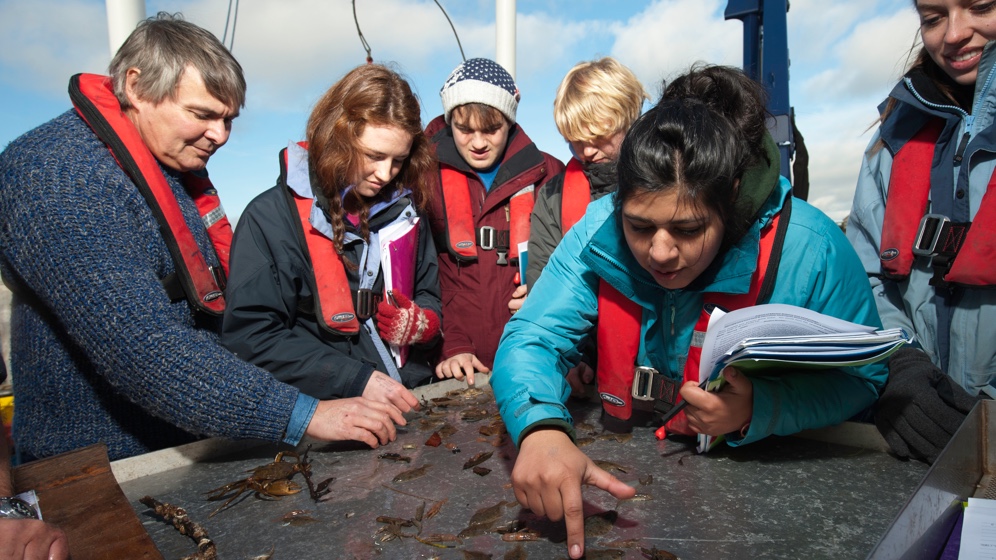
This is a very practical course. You'll spend time working in our modern labs, on field trips and take advantage of our outstations.
These include:
- Newcastle University Farms
- Dove Marine Laboratory
- Great North Museum biological collections
Field trips are undertaken in the beautiful and varied habitats of Northumberland with the option to undertake an overseas field trip.
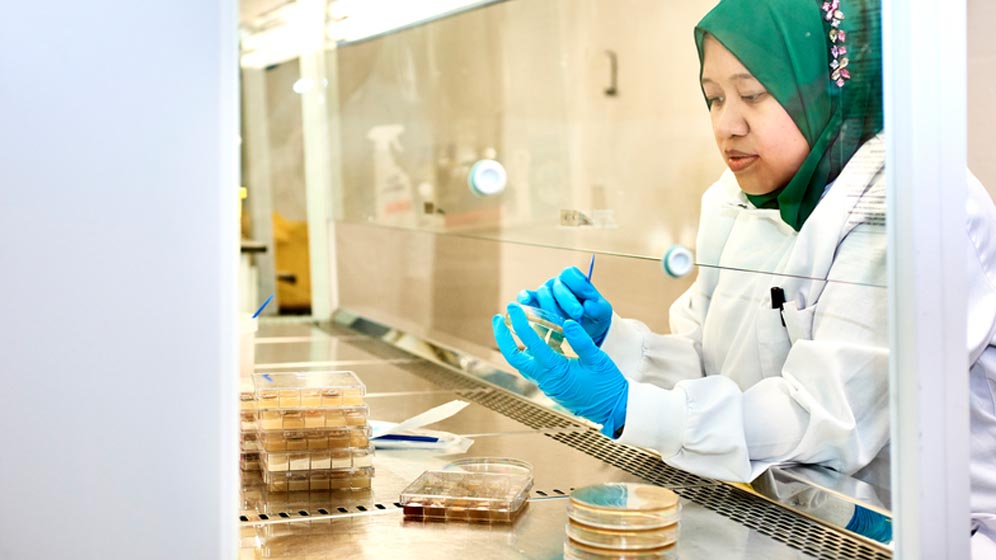
Lab-based modules will introduce you to key research techniques, including:
- molecular biology and biotechnology
- cellular biochemistry
- molecular evolution and systematics
Several modules focus on fieldwork, such as Field Based Ecology.
Research skills
Your learning will be strongly informed by the latest interdisciplinary research in the field, and by staff in our School. This research-led approach ensures that your studies will equip you with the knowledge and transferable skills for future career paths across a range of sectors.
You'll learn from experts at the forefront of research in their field in:
- microbial biotechnology
- plant biology
- animal physiology and behaviour
- biodiversity and conservation
- biological computer modelling
Some recent student dissertation titles:
- Investigating the molecular mechanisms of amino acid uptake in crop pests
- The effect of artificial light at night (ALAN) on biodiversity
- The Future of British Uplands: A Biodiversity Outlook
- Monitoring seasonal changes in Honeybee density within a colony
Opportunities
Study abroad
Gain a global perspective, enhance your academic profile and open doors to exciting new experiences by studying abroad for one semester or a full academic year at one of our partner universities overseas. Study abroad usually takes place in stage 3 of your studies and extends your degree by one year.
You'll have the choice to study at a leading international university, including:
- Monash University
- University of Hong Kong
- University of Pittsburgh
You can also opt for short-term global opportunities like summer schools, virtual exchanges or internships that usually take place over the summer months.
Work placement
During your degree you can apply to spend 9 to 12 months on an industrial placement, in the UK or abroad. Your work placement is a great opportunity to gain practical experience, acquire key business skills and make industry contacts. You’ll get University support from our dedicated team. Work placements usually take place between Stages 2 and 3 and extend your degree by a year.
Recent Biology and Zoology industrial placements include:
- Metabolism Analyst Intern at Covance
- Placement student at Northumbrian Water
- Animal Husbandry Intern at Chester Zoo
- Native Species Sandwich Placement student at Bristol Zoological Society
Facilities and environment
Facilities
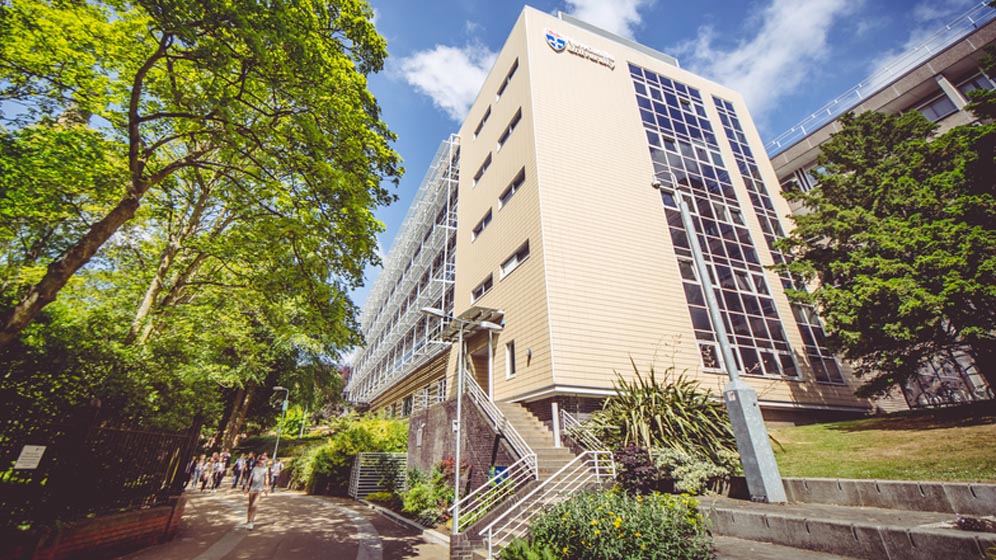
The Ridley building is the home of our Biology and Zoology degrees and is located on our city-centre campus. It is based in the School of Natural and Environmental Sciences. Located within are purpose-built teaching and specialist research laboratories catering for our specialisms including:
- protein analysis
- microscopy
- computing and data analysis
- chemical analysis and HPLC
During your studies, you'll have access to the University’s outstations including:
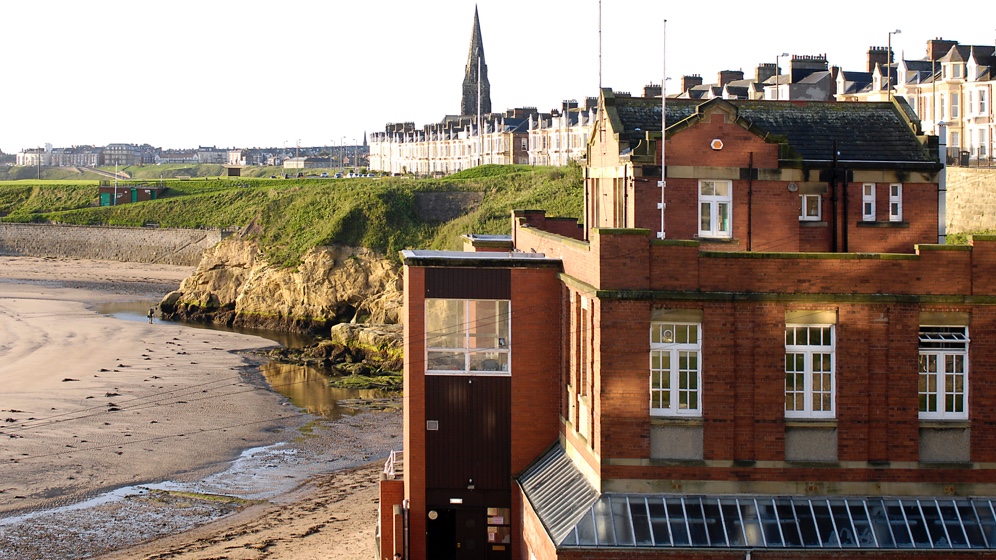
- Dove Marine Laboratory with a live aquarium on-site
- Great North Museum with important biological collections
- two commercial farms, Cockle Park Farm and Nafferton Farm
Our outstations are used for teaching, demonstration and research.
You'll also gain hands-on experience with industry-standard software to prepare you for your future career.





Support
We take your health and wellbeing seriously and are committed to supporting you throughout your studies so you can fulfil your potential at university. This support includes:
- a personal tutor who is an academic member of staff who can help you with academic and personal issues throughout your degree
- a peer mentor scheme which pairs you with a current student from your course to help you navigate your first year at university
- a staff-student committee, to give you an opportunity to have a say in how your degree works
- support, treatment and guidance on mental and physical health from our wellbeing team
Your future
Recent graduates have worked as a:
- researcher
- environmental monitoring officer
- science explainer at Newcastle's Centre for Life
- science writer, in organisations such as RSPB, WWT, and Natural England
Many students continue studying for their Master's degrees, PhDs, or postgraduate teaching qualifications, and medicine or law courses.
Having developed a range of transferable skills, you can also explore careers in a range of sectors, eg banking, retail management, media production, or adventure tourism.
Industry links
We have strong links with leading organisations, including:
- National Trust
- Natural History Society of Northumbria
- WWT
- National Parks Authority
You can find work placements, internships and volunteer roles through these links. It’s a great way to build up your network in the sector.
Careers support
Our Careers Service is one of the largest and best in the country, and we have strong links with employers. We provide an extensive range of opportunities to all students through our ncl+ initiative.
Visit our Careers Service website
Recognition of professional qualifications outside of the UK
If you’re studying an accredited degree and thinking about working in Europe after you graduate, the best place to find current information is the UK Government’s guidance on recognition of UK professional qualifications in EU member states. This official resource explains whether your profession is regulated in another country, what steps you need to take, and which organisation you should contact.
Entry requirements
All candidates are considered on an individual basis and we accept a broad range of qualifications.
The entrance requirements and offers below apply to 2026 entry.
| A-Level | |
|---|---|
| International Baccalaureate | |
|---|---|
Other UK and the Republic of Ireland qualifications
Alternative offers at Newcastle
Through one of our contextual or alternative offer routes, you could receive an offer of up to three grades lower than the typical requirements.
Contextual offers
We use certain contextual data from your UCAS form, alongside your application, to consider challenges that you may have faced in your education and the potential effect this may have had on your qualifications. This means you may be eligible to receive a lower contextual offer.
PARTNERS offers
One of the largest and longest support entry routes to university of its kind for students from underrepresented backgrounds. We support applicants from application through to study.
Realising Opportunities offers
A unique programme delivered in collaboration with 10 leading, research-intensive universities in the UK. The programme is open to students in Year 12/first year of college.
Pathways to Newcastle offers
Pathways to Newcastle, our national skills entry route, is available for specific subject areas.
High Performance Athletes
We support promising athletes at the application stage, who compete in regional, national or international levels in their sport.
Qualifications from outside the UK
English Language requirements
International Pathway and English Language courses
International Pathway courses are specialist programmes designed for international students who want to study in the UK. We provide a range of study options for international students in partnership with INTO.
These courses are specifically designed for international students who want to study in the UK and progress onto one of our undergraduate degrees. Our International Study Centre, has a range of study options including:
- International Foundation
- International Year One
- English Language courses
Find out more about International Pathway courses
Admissions policy
This policy applies to all undergraduate and postgraduate admissions at Newcastle University. It is intended to provide information about our admissions policies and procedures to applicants and potential applicants, to their advisors and family members, and to staff of the University.
University Admissions Policy and related policies and procedures
Credit transfer and Recognition of Prior Learning
Recognition of Prior Learning (RPL) can allow you to convert existing relevant university-level knowledge, skills and experience into credits towards a qualification. Find out more about the RPL policy which may apply to this course.
Tuition fees and scholarships
Tuition fees for academic year 2026-2027
| Qualification: BSc Honours | |
|---|---|
|
Home students full time 3 years |
Tuition fees (Year 1)
£9,790 |
|
International students full time 3 years |
Tuition fees (Year 1)
31,500 |
Year abroad and additional costs
For programmes where you can spend a year on a work placement or studying abroad, you will receive a significant fee reduction for that year.
Some of our degrees involve additional costs which are not covered by your tuition fees.
Scholarships
Find out more about:
Open days and events
You'll have a number of opportunities to meet us throughout the year at our on-campus and virtual open days.
You'll be able to:
- explore our beautiful campus
- find out about our vibrant city
- discover what students think about studying at Newcastle
You'll also have the opportunity to speak to academic staff and find out more about the subjects you're interested in.
Find out about how you can visit Newcastle in person and virtually.
We regularly travel overseas to meet with students interested in studying at Newcastle University. Visit our events calendar to find out when we're visiting your region.
How to apply
Apply through UCAS
To apply for undergraduate study at Newcastle University, you must use the online application system managed by the Universities and Colleges Admissions Service (UCAS). All UK schools and colleges, and a small number of EU and international establishments, are registered with UCAS. You will need:
- the UCAS name and institution codes for Newcastle University (NEWC/N21)
- the UCAS code for the course you want to apply for
- the UCAS 'buzzword' for your school or college
If you are applying independently, or are applying from a school or college which is not registered to manage applications, you will still use the Apply system. You will not need a buzzword.
Apply through UCASApply through an agent
International students often apply to us through an agent. Have a look at our recommended agents and get in touch with them.
Get in touch
By phone
Call us on +44 (0) 191 208 3333 and press option 1. Our opening hours are Monday to Friday 10am until 4pm.
Live chat
Our NCL chatbot might be able to give you an answer straight away. If not, it’ll direct you to someone who can help.
You'll find our NCL chatbot in the bottom right of this page.
Online
Chat to our students
Choosing a university is a big decision. If you've got questions about a particular course, student life or the city of Newcastle, why not chat to our friendly students or graduates!
Book a one-to-one chat
Book a slot with one of our Biology academic staff for a one-to-one chat about your subject of interest, student experience, and more: Book now
Keep updated
We regularly send email updates and extra information about the University.
Receive regular updates by email