Life in Newcastle
For a warm Geordie welcome. For fun with new friends. For fabulous places to shop, eat, drink, relax and discover.
Did you know Newcastle...
- was named after the ‘new castle’ built by William the Conqueror’s son. During the Industrial Revolution it became such a wealthy city it was second only to London
- was such an important coal port the saying ‘taking coals to Newcastle’ was coined. It means to carry out a pointless task
- was once known as a 'city of palaces' because of its stunning buildings on Grey Street and Grainger Street
- produced the world's first self-raising flour Be-Ro. Developed by local businessman Thomas Bell at his factory in the Groat Market, it's still sold across the UK today
- has a vampire rabbit. Perched above a doorway next to Newcastle Cathedral, some believe it was put there to scare away grave robbers from the cathedral graveyard
NewcastleGateshead Quayside
Flanking both sides of the River Tyne, the Quayside is a hub of music, art, food and nightlife that’s loved by students. And it’s just a 20-minute walk from campus.
On both sides of the Tyne you can dine at top-class restaurants (some offering rooftop views), relaxed gastropubs and cafés.
On the Gateshead side are the steel curves of The Glasshouse international music centre and concert venue. Close by in a converted flour mill is the BALTIC Centre for Contemporary Art, showcasing prominent artists, designers and architects.
Grainger Town: the historic heart of Newcastle
This wonderful part of the city includes the impressive Grainger Street and Grey Street. They often feature in surveys of the UK’s most beautiful streets.
You'll be able to:
- browse independent shops and galleries
- eat at cosy cafés and restaurants
- admire the architecture as you wander down to the Quayside
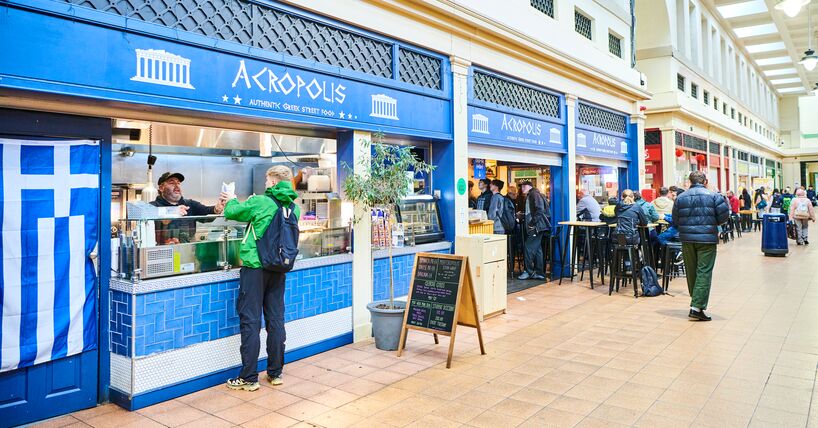
Grainger Market dates from 1835. The indoor market is home to local traders including florists, jewellers, artisan bakeries and a growing street food offering. It houses the last surviving example of a Marks and Spencer’s Penny Bazaar; the shop that gave birth to the national chain.
You'll also find our very own Chinatown in this quarter of the city. It's the heart of Newcastle’s thriving Chinese community. Guarding the entrance is an 11-metre high paifang flanked by two Chinese lions. It was built by Shanghai craftsmen in the style of a Chinese Royal Palace.
Shop 'til you drop!
If you love to shop head for:
- Eldon Square - the city’s best-known shopping centre with 130+ stores, cafés and restaurants
- Northumberland Street - Newcastle's main high street of major retailers that's just five minutes from campus
- Monument Mall - offering high fashion, luxury beauty and designer stores
- Central Arcade - as much a tourist attraction as a shopping area. This Edwardian arcade has a beautiful glass roof, stunning tiles and mosaics
City parks
We're lucky to have over 30 parks and open spaces that help to paint Newcastle green. Some of these include:
- Leazes Park - the oldest in the city, this tranquil space is behind Newcastle United’s football stadium
- Exhibition Park - the closest to campus, features a lake, skate park, sports courts and a micro-brewery
- Town Moor - the largest park in Newcastle is bigger than London’s Hampstead Heath and New York’s Central Park. It’s a mix of grazing land, playing fields and a golf course. It’s also the site of the annual Hoppings funfair
Bridging the Tyne
Newcastle is famous for the seven bridges that span the River Tyne. These include the:
- Redheugh Bridge (1983)
- King Edward VII Bridge (1906)
- Queen Elizabeth II Bridge (1981)
- High Level Bridge (1849)
- Swing Bridge (1876)
- Gateshead Millennium Bridge (2001)
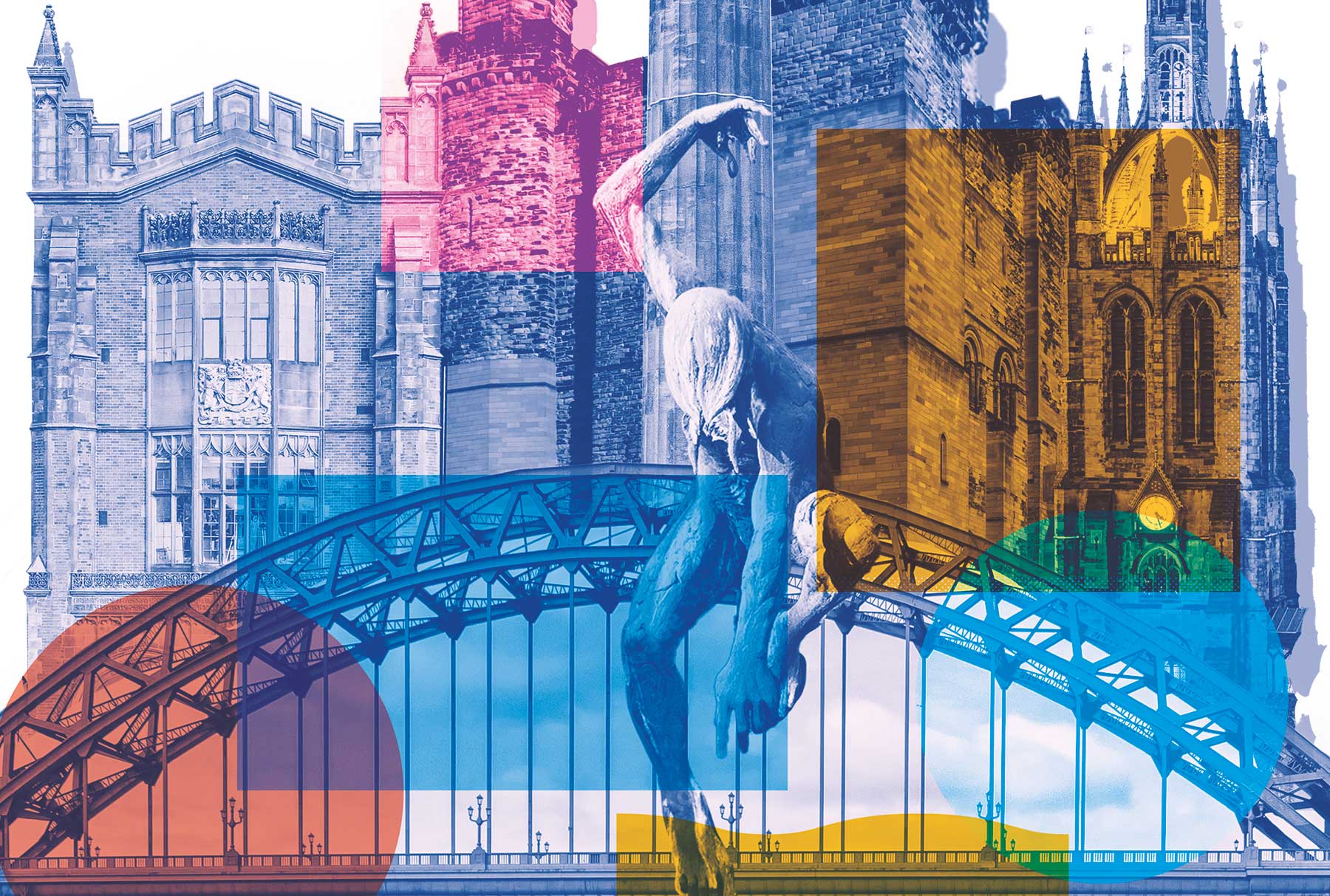
The most iconic, and a symbol of the city, is the Tyne Bridge. Completed in 1928, it was a prototype for Australia’s Sydney Harbour Bridge. At its peak the bridge is used by over 70,000 vehicles a day.