Sustainability
We are working towards a more sustainable future, through our research, education, and partnering activities across our campus.
Enough for everyone, forever
We support the United Nations’ Sustainable Development Goals (UNSDGs) – seeking peace and prosperity for all people and the planet, now and in the future.
Social and environmental justice are core values of our Vision and Strategy. We work in depth and breadth across all the Sustainable Development Goals.
Our continued high performance in global league rankings highlights our commitment and work towards sustainable development. It shows how the alignment of our work with the UNSDGs is driving education, research and innovation across the University.
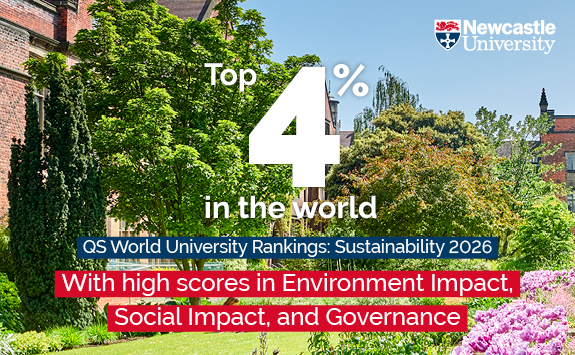
We are ranked 64th in the world out of almost 2,000 institutions in the latest QS World University Rankings: Sustainability, with high scores across the categories of Environmental Impact, Social Impact, and Governance. This places us in the top 4% of institutions worldwide, a result consistent with last year's rankings (2025).
We are also ranked among the world's top 100 universities for sustainable development, placing 85th globally in the Times Higher Education Impact Ratings 2026. We are ranked 9th in the world for Responsible Consumption and Production (SDG12), top 40 globally for Climate Action (SDG13) and Partnerships for the Goals (SDG17), and top 100 globally for Reduced Inequalities (SDG10) and Life on Land (SDG15).
We are working towards a net-zero goal on campus, with an aim of embedding sustainability in everything we do, from our operations, to our teaching and research.
We have recently been awarded a Queen’s Anniversary Prize for global research excellence in water.
It's important that we’re leading the way on sustainability – the biggest challenge facing the world – and it's significant that one of the driving forces behind this is not only our colleagues' commitment, but also our students.
Professor Jane Robinson
Pro-Vice-Chancellor Business, Partnerships and Place

.png)

What we do





Our Commitment to Sustainable Research
Newcastle University is proud to be a signatory of the Concordat for the Environmental Sustainability of Research and Innovation Practice. This sector-wide agreement recognises the urgent need to reduce the environmental impacts of research and commits us to delivering world-leading innovation in a more responsible and sustainable way. Led by our University Executive Board, this step marks a clear commitment to driving real change.
Our focus areas include:
- Leadership and system change
- Sustainable infrastructure
- Sustainable procurement
- Emissions from business and academic travel
- Collaborations and partnerships
- Environmental impact and reporting
As part of this commitment, Professor Matthew Grenby, PVC for Research and Innovation, sits on the EAUC Oversight Group, which advises the UK research community and monitors progress towards the Concordat’s sustainability goals. A signed statement from Vice-Chancellor Professor Chris Day confirms Newcastle University's commitment.
Latest news

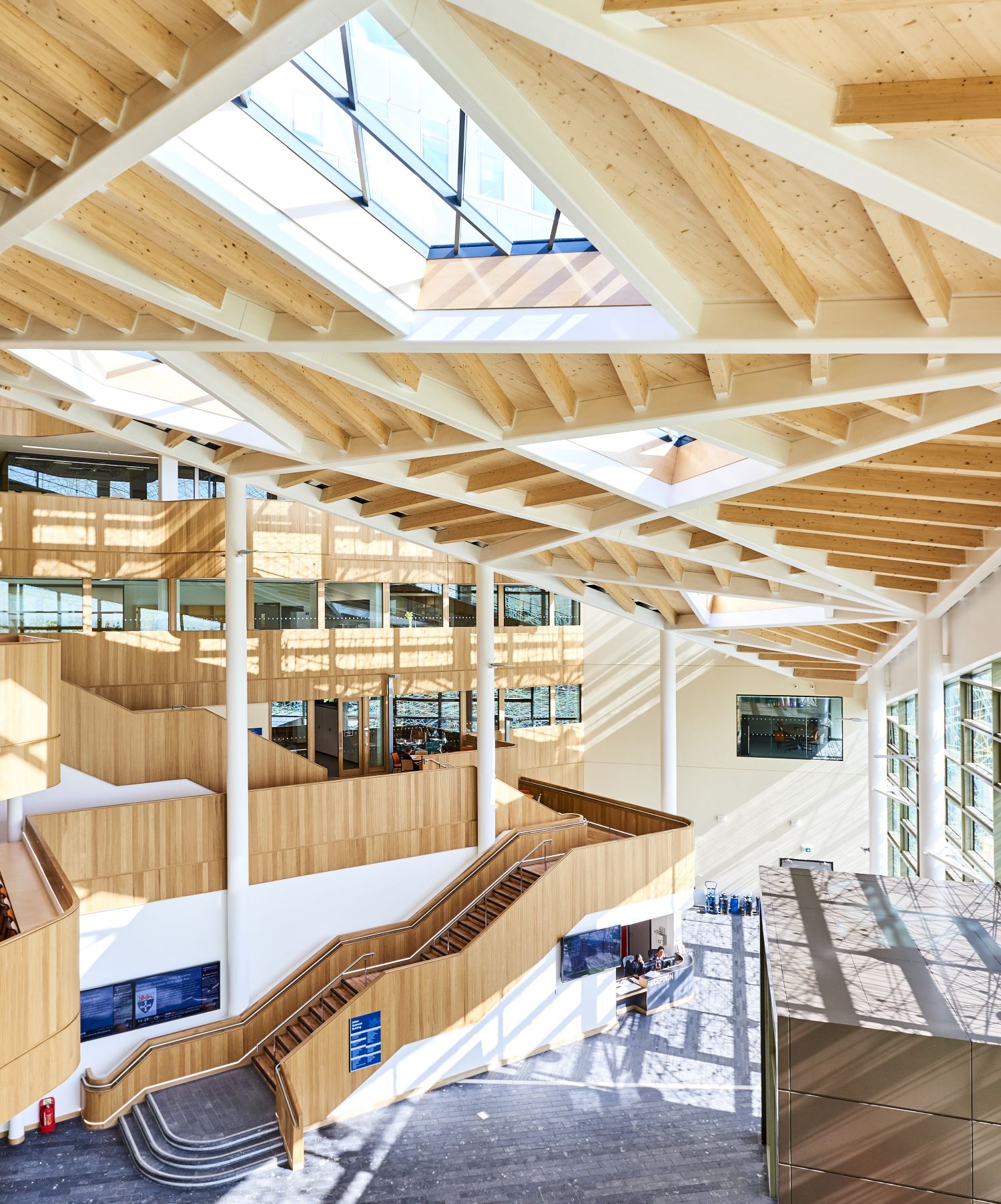
Stratospheric winds can warn of extreme energy demand in Europe
A breakdown of normal polar winds in winter raises the chance of extreme cold and a resulting spike in energy demand in Europe, new research shows.
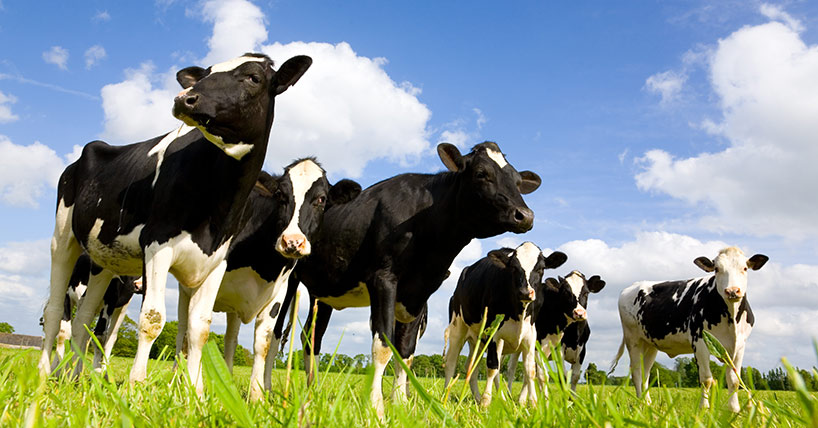
AMAST network moves from listening to action on farm antimicrobial use
Newcastle University researchers are helping turn the UK’s priorities on antimicrobial resistance in agriculture into practical action.
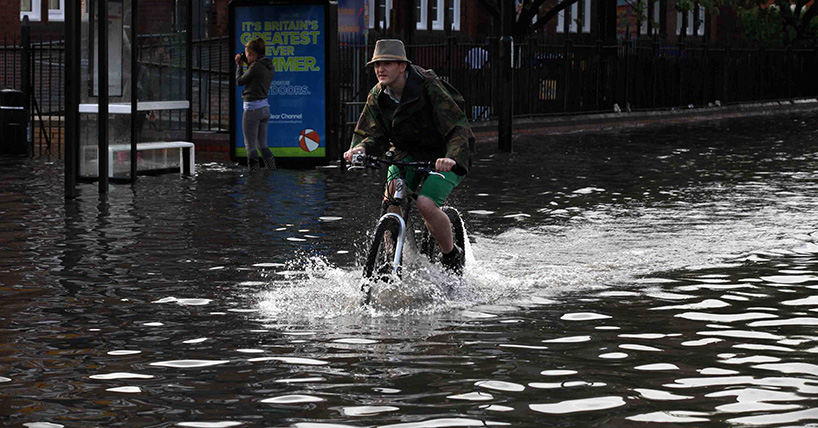
How cities and extreme rainfall shape each other
An international team of scientists have introduced a new framework for understanding extreme rainfall in cities.