Bringing generations together
Proving that when generations come together, everyone benefits.
A growing social challenge
Across society, opportunities for different generations to spend meaningful time together are becoming less common. Many older adults experience loneliness and social isolation. Young children may have limited contact with older people outside their families.
As communities become more age-segregated, opportunities for connection, learning and relationship-building can be lost. Finding new ways to bring generations together can improve wellbeing, strengthen communities, and create positive experiences that last throughout life.
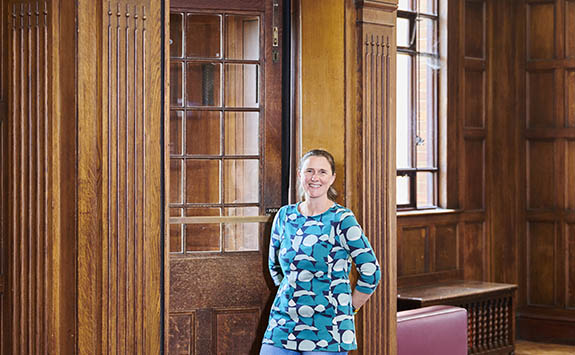
Bringing generations back together
Our researchers are exploring the powerful impact that intergenerational learning can have on young children and older adults.
Led by Dr Alina Schartner from the School of Education, Communication and Language Sciences, the study looked at what regular interaction between nursery-aged children and residents in assisted living accommodation meant for both groups.
Working with Childsplay Claremont Nursery Co-operative in Newcastle and Winton Court assisted living facility in Gateshead, the project explored the impact of fortnightly visits for three and four-year-old children.
The sessions were intentionally unstructured. Children and residents chose activities naturally, using shared resources such as books, drawing materials and construction toys. This approach allowed relationships to grow through conversation, play, and shared experiences.
Over four months, University researchers gathered insights through interviews with parents, educators, residents, and care staff. The collaborative nature of the project was reflected in the resulting journal paper, of which the early years educators were co-authors.
A transformative experience for all
The findings showed significant emotional and social benefits. Older adults reported improved mood, greater happiness, and reduced loneliness. Many looked forward to the visits each week. Care staff noted that residents who were previously withdrawn became more animated and socially engaged, with positive effects lasting beyond the sessions.
The children also experienced strong developmental and emotional benefits. They formed close attachments with residents, often seeking out particular individuals, sharing gifts, and celebrating special occasions. For children whose grandparents lived far away, the relationships provided an important intergenerational connection.
These interactions helped build empathy, understanding of ageing, and positive attitudes towards older people.
The future of intergenerational learning
As societies seek new ways to address loneliness, strengthen communities, and support healthy ageing, intergenerational programmes offer a powerful and evidence-based solution.
Our research is building understanding of how meaningful connections between generations can improve lives and create stronger, more connected communities. By showing the transformative impact of these relationships, the findings suggest that intergenerational programmes could play a key role in reducing loneliness and supporting child development.
When generations come together, everyone benefits. Through research that puts people and relationships at its heart, we’re helping create communities where connection, understanding and belonging can flourish at every stage of life.