Energy Transitions
Powering the transition to a fairer, greener world.
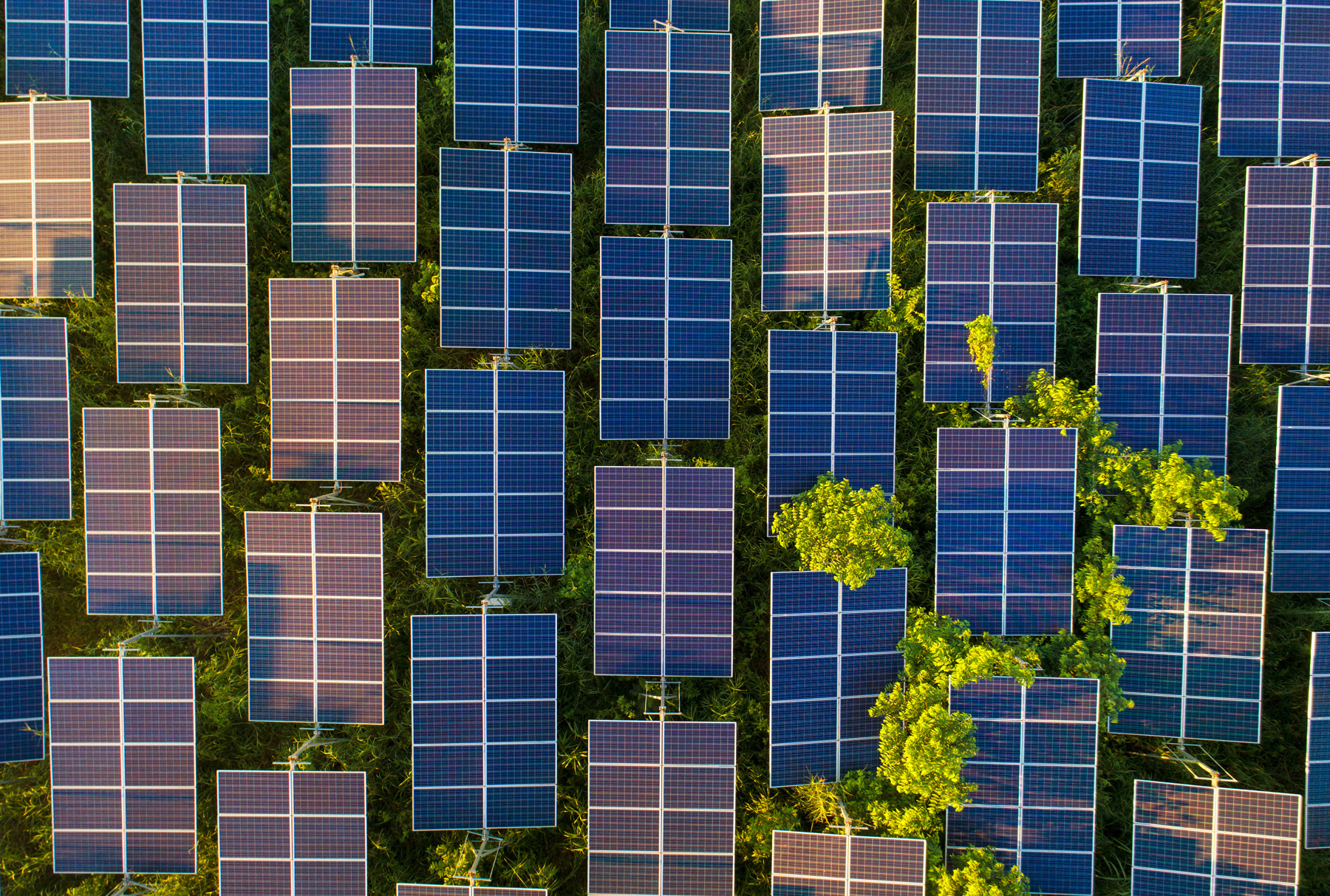
Leading the transition to a clean energy future
Building on the North East of England’s rich industrial heritage, we’re developing the next generation of sustainable energy, transport, and infrastructure to help create a resilient future.
We’re driving the UK’s advances in offshore wind, electrification and technologies that will shape our energy systems.
Partnering with industry and government, we’re helping to speed up the adoption of clean technologies, from electric vehicles to smart grids. Through global collaborations, we’re developing and scaling hydrogen technologies as an alternative to fossil fuels.
We’re building skills, education and expertise alongside research and innovation, ensuring people are equipped to deliver the energy transition.
From battery science to policy engagement, we bring together expertise across the full energy system to enable a just and rapid transition.

Building the energy systems of tomorrow
We’re building the energy systems of tomorrow by combining scientific research, engineering excellence, teaching, and skills development with industry partnerships.
Our work spans the full energy system, including hydrogen, electrification, carbon capture, and batteries.
We turn research into real-world impact through industry collaboration licensing new technologies and spin-out companies. Our work ensures knowledge and skills are developed and shared across sectors.
Leading skills development in electrification and advanced manufacturing
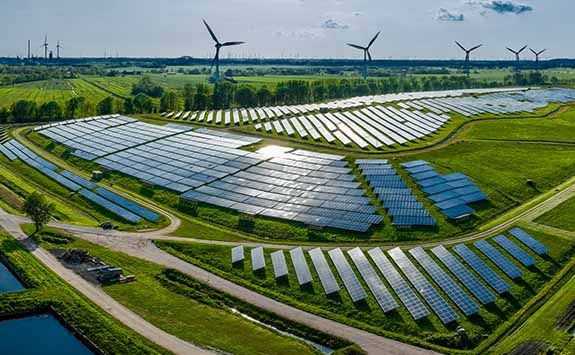
The electric revolution is increasing demand for skilled professionals in electrification and sustainable advanced manufacturing, creating a growing need for skills development and training.
We’ve established the National Battey Training and Skills Academy with New College Durham. It combines our expertise in battery technologies with the college’s capacity to deliver high-quality training.
We’ve also established the Institute of Electrification and Sustainable Advanced Manufacturing (IESAM) to address the need for Power Electronics, Machines and Drives (PEMD) training in the North East. Working with partners, we’re developing a flexible, high-quality training pathway for learners at all levels.
Our Level 6 BEng Product Design and Development Engineer Apprenticeship supports upskilling and helps organisations build the skills and expertise needed to drive innovation in electrification and advanced manufacturing.
We’re also a strategic partner in MADE NE (Manufacturing, Automation, Digitalisation, Electrification North East), a £15m consortium led by Nissan. The project supports a joined-up approach to skills and innovation across the region.
Driving the Electric Revolution Industrialisation Centres (DER-IC)
We lead the Driving the Electric Revolution Industrialisation Centres (DER-IC), a UK network of over 30 academic and research institutions helping industry develop and scale electrification technologies for net zero.
The Centres connect industry with expert knowledge and facilities in power electronics, machines, and drives across sectors like transport, marine, aerospace, and advanced manufacturing.
Supporting the offshore wind sector
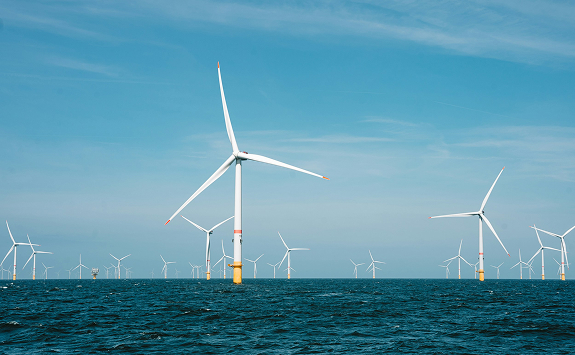
The North East of England is a global leader in the offshore renewables sector. We work with industry, regional clusters and research partners to advance technologies, develop talent, and support the transition to net zero.
Our expertise spans offshore infrastructure, power engineering, and environmental science and consenting. Businesses can access specialist facilities, skills programmes, and the latest research to drive the next generation of offshore renewable energy innovation.
Education for life
A central part of our mission is educating and training the next generation of engineers, scientists, and innovators. This ensures that knowledge, capability, and expertise grow alongside technological innovation.
Undergraduate and postgraduate study
Sustainability is embedded across undergraduate degrees in our School of Engineering and School of Natural and Environmental Sciences.
At postgraduate level, we have a number of advanced programmes including:
- Sustainable Chemical Engineering MSc
- Environmental Engineering MSc
- Leadership in Climate Change and Sustainability MSc
- Renewable Energy, Enterprise, and Management (REEM) MSc
Doctoral training
Doctoral training programmes play a vital role in developing future research leaders who can work at the forefront of sustainability, net zero and industry.
In partnership with other universities and with business, we lead or are part of several doctoral training initiatives, including:
- Process Industries: Net Zero (PINZ) Centre for Doctoral Training
- Sustainable Electric Propulsion Centre for Doctoral Training
- Renewable Energy North East Universities (ReNU) Centre for Doctoral Training
- Water Infrastructure and Resilience (WIRe) Centre for Doctoral Training
- Biconvergence for Sustainable Consumer Innovations (BiSCI)
Skills and professional development
We co-develop targeted skills and professional training with industry, such as:
Research infrastructure
Our research infrastructure brings together national centres, specialist facilities, and cross-disciplinary expertise.
Centres of Research Excellence
- Centre for Energy
- Centre for Mobility and Transport
- Centre for Climate and Environmental Resistance
- Centre for Water
- Centre for Researching Cities
Facilities
Our specialist facilities enable applied research, testing, and scale-up of technologies in collaboration with industry. They include:
- Smart Grid Lab and Energy Storage Test Bed
- Energy Central Institute
- Gear Technology Design Unit
- High end analysis, including mass spectrometry, x-ray diffraction, ion beams and more
- Research Vessel, The Princess Royal
Other infrastructure and programmes
We also lead and contribute to national programmes and innovation ecosystems that accelerate the deployment of clean technologies and support growth in the energy sector. They include:
- Energy Central Campus
- National Hub for Decarbonised, Adaptable, and Resilient Transport Infrastructures (DARe)
Intellectual property and commercialisation
Sometimes the best way for us to have a positive impact is to license our intellectual property to others. By working together, we make a difference to products, organisations, and lives around the world.
Intellectual property
Some of our emerging technologies that are supporting clean growth, electrification, and the transition to net zero include:
- Real-time water quality monitoring technology
- Water-based adhesive for a zero-waste economy
- A flexible AC-DC-AC electrical distribution interconnection system using converter splitting
- A new method for cheap and efficient hydrogen production
- A cost-efficient and scalable membrane-less water electrolyser for hydrogen production
Spin-out companies
We have an excellent track record for producing spin-out companies from applied research. Our students also create start-up companies each year to bring new products and services to market. Among our spin-outs and start-ups are several working in clean technology and sustainability, including:
- Advanced Electric Machines: industry-leading electric powertrains
- Dragonfly Advanced Materials: exceptional thermal insulation from silica aerogels
- Kinewell Energy: reducing costs and boosting efficiency in offshore wind
- METZero: recovering energy and resources from wastewater
- Recovolt: reducing risk and recovering energy from battery recycling
Intellectual property and commercialisation
Sometimes the best way for us to have a positive impact is to license our intellectual property to others. By working together, we make a difference to products, organisations, and lives around the world.
Intellectual property
Some of our emerging technologies that are supporting clean growth, electrification, and the transition to net zero include:
- Real-time water quality monitoring technology
- Water-based adhesive for a zero-waste economy
- A flexible AC-DC-AC electrical distribution interconnection system using converter splitting
- A new method for cheap and efficient hydrogen production
- A cost-efficient and scalable membrane-less water electrolyser for hydrogen production
Spin-out companies
We have an excellent track record for producing spin-out companies from applied research. Our students also create start-up companies each year to bring new products and services to market. Among our spin-outs and start-ups are several working in clean technology and sustainability, including:
- Advanced Electric Machines: industry-leading electric powertrains
- Dragonfly Advanced Materials: exceptional thermal insulation from silica aerogels
- Kinewell Energy: reducing costs and boosting efficiency in offshore wind
- METZero: recovering energy and resources from wastewater
- Recovolt: reducing risk and recovering energy from battery recycling
Meet some of our researchers and innovators
- Professor Roberto Palacin, Academic Director for Electrification
- Professor Haris Patsios, Professor of Smart Energy Systems
- Professor Elizabeth Gibson, Professor of Energy Materials
- Professor Rene Koglbauer, Dean of Lifelong Learning and Professional Practice
- Professor Stuart Dawley, Chair in Economic Geography
- Professor Diana Gregory-Smith, Professor of Marketing and Sustainability
- Professor Volker Pickert, Professor of Power Electronics
- Dr Mark Ireland, Senior Lecturer in Energy Geoscience
- Professor Katharine Rietig, Professor of Sustainability and International Politics,
- Professor Phil Blythe FREng, Professor of Intelligent Transport Systems
- Professor Savvas Papagiannidis, Professor of Information Systems, Digital Innovation and Transformation
- Professor Richard Dawson FREng, Professor of Earth Systems Engineering
- Professor Sean Wilkinson, Professor of Structural Engineering
- Dr Greg Mutch, Research Lead, Process Industries: Net Zero Centre for Doctoral Training
- Dr Elizabeth Heidrich, Senior Lecturer in Environmental Engineering
- Professor Jonathan Lee, Professor of Carbon Capture
- Professor Adam Harvey, Professor of Process Intensification
- Professor Jeffrey Neasham, Professor of Acoustic Signal Processing
- Professor Nick Wright, Turing Fellow and Professor of Semiconductor Physics
- Professor Nick Baker, Professor of Emerging Electrical Machines
- Professor Brian Shaw, Director of Design Unit, Gear Technology Centre
- Professor John Mangan, Professor of Marine Transport and Logistics
- Deepak Makwana, Degree Programme Director, Level 6 BEng Product Design and Development Engineer Apprenticeship
- Dr David Greenwood, Senior Lecturer
- Dr Shahab Dehghan, Lecturer in Power Systems
- Dr Hannah Bloomfield, NuACT Fellow: Climate resilient energy systems
- Dr Sanchari Deb, NuACT Fellow
Who we work with
We work in close partnership with industry, government, regional clusters, and global organisations to accelerate innovation and support real-world deployment of clean technologies. These partnerships connect research, skills, and infrastructure with practical challenges across energy, transport, and manufacturing.
- Siemens
- P&G
- Advanced Electric Machines
- Northumbrian Water
- Royal Air Force
- Dyson
- Northern Power Grid
- Northern Gas Networks
- Offshore wind energy and environment (Aura)
- Port of Tyne
- Offshore Renewable Energy Catapult
- SOFIA offshore wind farm
- Energy Central Campus and Energy Central Institute