Meet Emma
Film and Media BA
Why I chose Newcastle University
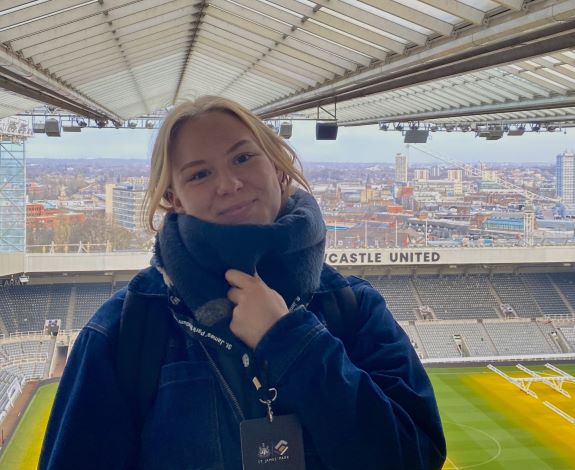
I chose Newcastle University for the course. I knew quite early on, before applying for university, that I wanted to study documentary filmmaking. However, such a course didn't exist back in France, and I knew I wanted to study in England. Newcastle was the only university that offered a course that united both documentary filmmaking studies and media in the country!
What do you love about Newcastle University?
Having never been to Newcastle prior to starting university, I had doubts and fears that I wouldn't feel at home when moving to the city for the first time. I quickly understood this was simply not going to be the case when I explored Newcastle and got more familiar with its beautiful architecture and dynamic atmosphere and met some of the warmest people I know today. Newcastle is such a welcoming place where everyone and anyone can feel like they belong.
Newcastle is such a welcoming place where everyone and anyone can feel like they belong.
What surprised you about Newcastle?
I was surprised to see how close and similar the locals are to my own people. Deeply attached to their culture, traditions and values, the Geordies share the same sense of pride for their identity as the French Bretons! Whether this be through sports, food or language, you truly feel how passionate they are about their heritage. A feeling I was able to relate to (although, we all know the French play better football).
What student support services have you accessed at university and how has this helped you?
During my time at university, I took advantage of the Careers service to help build a strong CV or simply to gain advice on my career path. Most importantly, the Careers service was very useful with helping me plan for a six-month internship that I had obtained in Paris. Prior to the start of my internship, advisors helped me with detailed and complex paperwork (because the French love bureaucracy) but also during my internship, where I was given advice on how to track my progress and record my experience effectively.
the Careers service was very useful with helping me plan for a six-month internship that I had obtained in Paris
Did you take advantage of work, global experience or extracurricular opportunities?
Over the course of my degree, I had the opportunity to represent student’s voices at the Student Staff Committee as a course rep in my first year, and then as Student Chair for the remaining two years. I was advocating for student’s needs and requirements across the Media, Culture and Heritage department but also mediating meetings and dialogue between members of staff and students. An insightful experience which pushed me to consistently work for progress and the well-being of students within MCH. Alongside this opportunity, I work as a student ambassador by representing my course during open days at the university where I enjoy sharing my university experience with prospective students.
How have you found the social aspect of university?
There are so many ways for students to socialise at university, although this might be quite overwhelming when you arrive in first year, you quickly manage to find a group of people with whom you share common interests and build a friendship group with. Studying film and becoming part of the university's film community also helped me with socializing with my peers easily. Members of staff planned events to bring us all together such as film screenings or social gatherings like the Christmas ball, all lovely opportunities for film students to socialise!
Describe your degree to a future student
Studying Film and Media helps you gain practical and creative skills in documentary filmmaking whilst also learning about media, social and cultural studies.
What stands out for you about your degree at Newcastle?
What truly stands out about my degree is the sense of community amongst all stages of the course. Students come together to watch and debate about films; they share feedback about each other's creative practices and sometimes even collaborate on projects taking place outside of the academic frame to build their own experiences and create a network that will go beyond their time at university. We all build and share a sense of belonging which is highly motivating.
What truly stands out about my degree is the sense of community amongst all stages of the course.
What was the application process like and what are your top tips for applying to Newcastle?
The application process was straightforward and relatively easy. I would advise to any students applying to Newcastle University to simply be themselves when writing their personal statements. Don't be afraid to express your passions, experiences in a manner that feels personal to you. Be genuine. Also don't refrain from bragging about your achievements, be proud of the hard-work you have done. As a result, I believe the academics reviewing your statement will feel and appreciate the honesty and passion you have poured in writing your statement.
Where do you see yourself in the future?
In the future I see myself working as a director for war and conflict documentary films, capturing, recording and witnessing the lives of those affected by the consequences of war to communicate their stories to the world.
How has Newcastle helped you realise your future?
My degree has helped me gain the necessary skills to enter the world of media and particularly, documentary filmmaking. I not only know how to produce a documentary but have a wider understanding of how the social world that surrounds me functions, which is a key aspect of working in the media and film industry.
Why should a student pick this degree?
The Film and Media degree is perfect for students looking to gain hands-on experience with working with film equipment and software alongside understanding the production and creative process of making a documentary. Additionally, this degree provides you with an understanding of how the media landscape functions and how to critically analyse and engage with it, which is crucial in an era where disinformation is prevalent. Society often prioritises what is measurable over what is meaningful. Art, culture and creativity have never been more vital, they are the tools with which we imagine and build a better future. And I believe those sets of skills will teach you how to effectively and creatively engage within the contemporary world we exist in.
Related student stories


Lauren from United Kingdom
Advanced Computer Science MSc
The course has given me the opportunity to build on what I learnt during my undergraduate degree and explore areas of computing in much more depth.

Aung from Myanmar
Transport Engineering, Planning and Management MSc
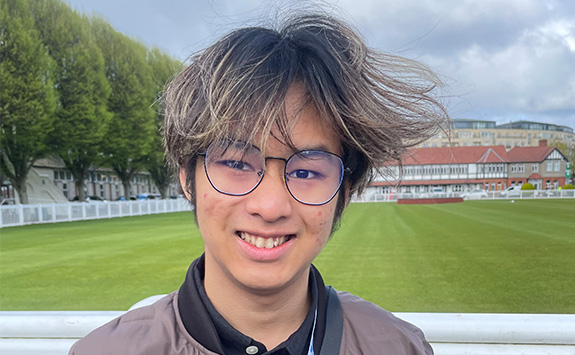
My first time coming to Newcastle was after a trip to London. The city is beautiful with amazing bridges going over the Tyne river.

John from India
Geospatial Surveying and Mapping BEng
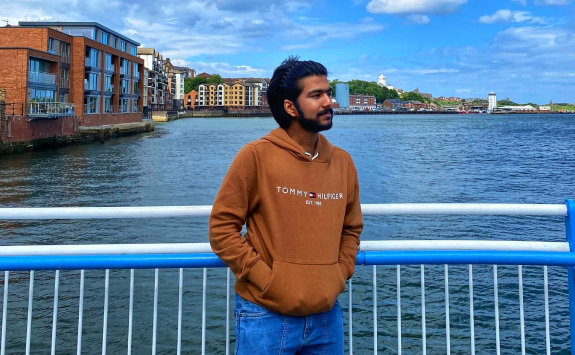
My course focuses on land and marine surveying applications. What sets the University apart in this area are the dedicated labs.
Aaryan from India
Computer Science BSc
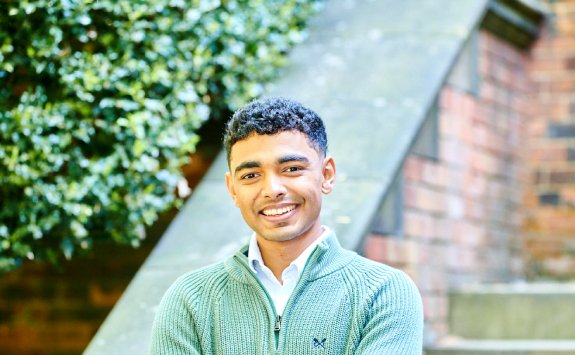
To support my studies, I’ve been awarded a VCIS (Vice Chancellor International Scholarship) worth £4,000. The rest of my fees are self-funded.
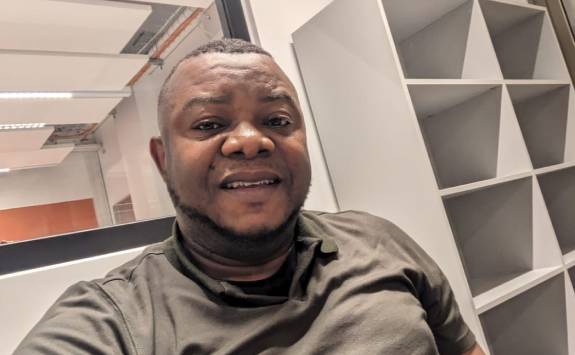

Lukman from Nigeria
Mechanical and Systems Engineering PhD
Newcastle University really welcomes international students. It’s clear that the institution strongly values inclusion and diversity.
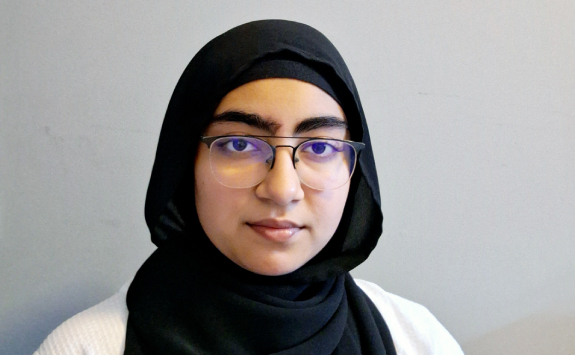
Madiha from India
English Literature with Creative Writing BA
The application process was straightforward and I felt very supported by the University throughout.
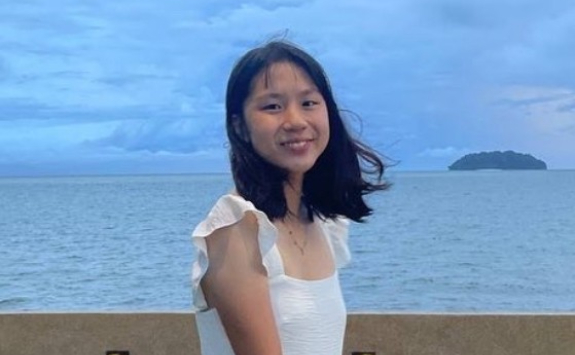

Jasmine from Malaysia
Dietetics MDiet
Newcastle feels like somewhere between a big city and a small town.
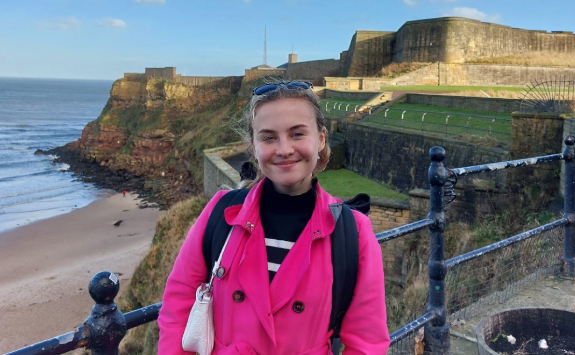

Hana from Czechia
International Business Management BSc
I’m not sure what I want to do in the future, being able to study lots of different modules is giving me the chance to explore all the possibilities.

Bernardo from Brazil
Law PhD
I am deeply passionate about the RED (Researcher Education and Development) programme - it has been an integral part of my PhD journey.